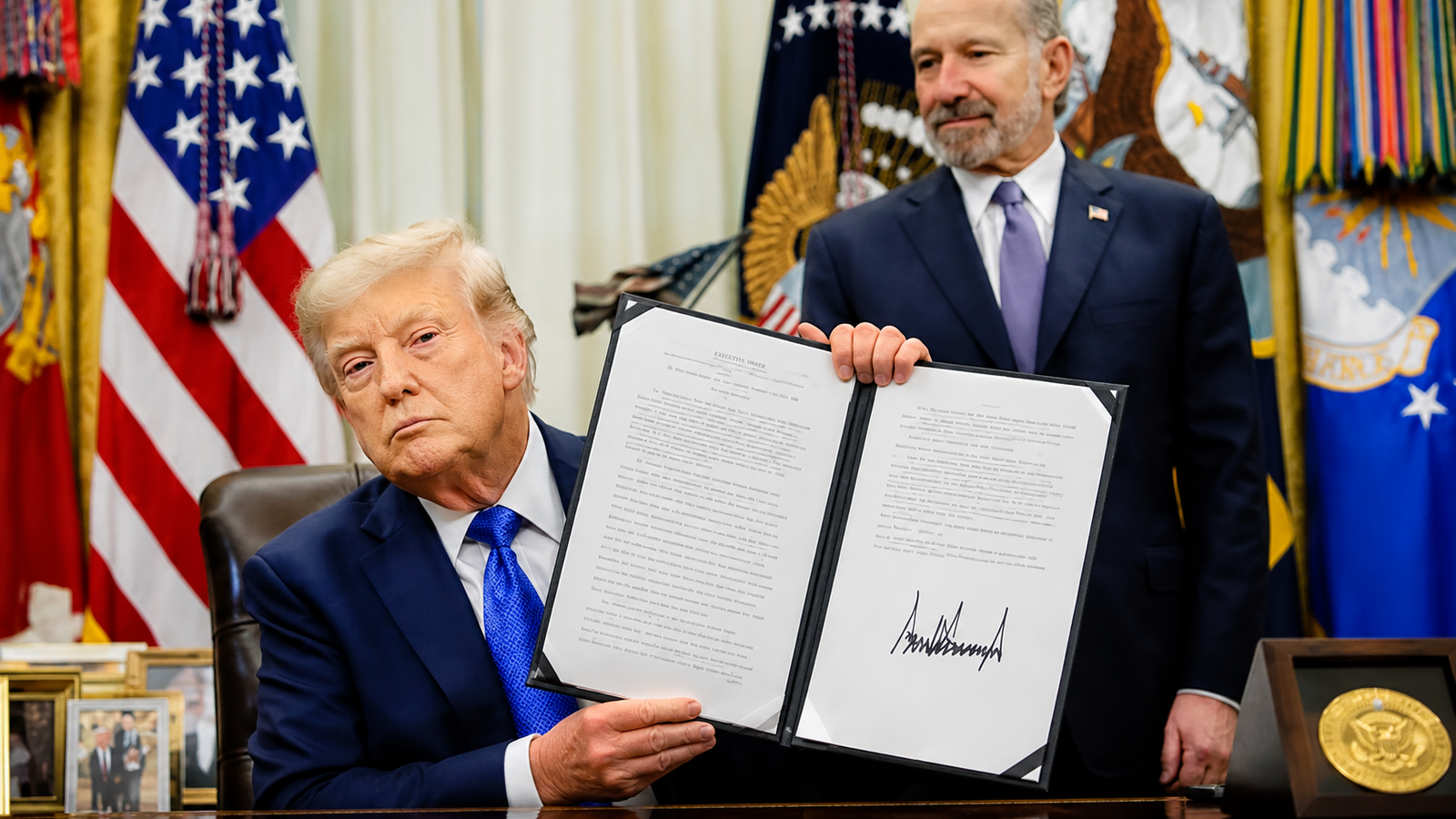
US Troops and Families Adjust to the New Reality of the Iran War
Fourteen weeks after President Donald Trump ordered military strikes against Iran, the U.S. military is adapting to an unusual situation that is neither full-scale war nor genuine peace

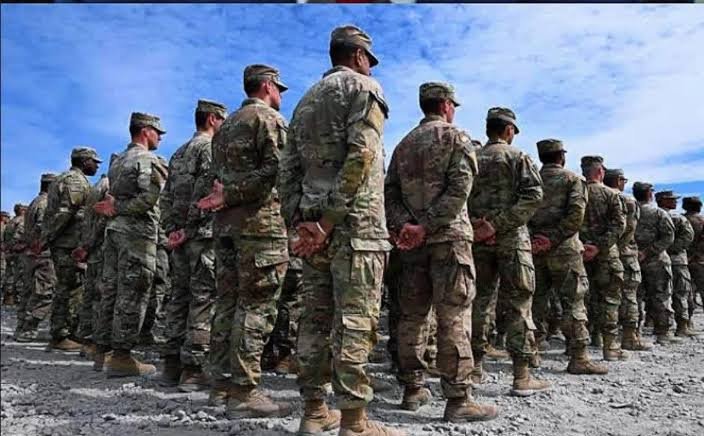
US Troops and Families Adjust to the New Reality of the Iran War
Fourteen weeks after President Donald Trump ordered military strikes against Iran, the U.S. military is adapting to an unusual situation that is neither full-scale war nor genuine peace.
Across the Middle East, American troops — including many recovering from combat injuries — continue to operate under the threat of renewed hostilities as the U.S. Navy maintains a blockade of Iranian ports. Meanwhile, the Pentagon is working to replenish depleted weapons stockpiles, while military families cope with the stress of prolonged deployments.
Despite Trump's ceasefire declaration in April, the conflict remains in a tense stalemate. Iran continues to restrict shipping through the strategically vital Strait of Hormuz, while Trump has warned that large-scale bombing campaigns could resume if peace talks collapse.
Troops Remain on High Alert
The fragile ceasefire has forced U.S. forces to maintain maximum readiness. Military bases are being stocked with missiles and interceptors, while intelligence teams analyze drone and satellite data to update target lists inside Iran in case fighting escalates again.
Former U.S. Central Command commander Joseph Votel described the current phase of the conflict as “a very, very dangerous period,” emphasizing the challenge of keeping troops prepared during an uncertain ceasefire.
Wounded Soldiers Face Long Recovery
Among those recovering is U.S. Army Reserve Sergeant First Class Cory Hicks, who was severely injured in an Iranian drone attack early in the war.
Shrapnel wounds severed an artery, fractured his jaw, and left him with a traumatic brain injury that could affect him for the rest of his life. Hicks recalled hearing what sounded like a small aircraft moments before the explosion that left him unconscious.
Now receiving treatment at Walter Reed National Military Medical Center in Maryland, Hicks says the facility is once again handling a surge of combat casualties similar to those seen during the wars in Iraq and Afghanistan.
Approximately 400 U.S. troops have been wounded during the conflict, many suffering traumatic brain injuries. According to the military, more than 90% have already returned to duty, while 13 American service members have been killed.
Families Endure Anxiety and Uncertainty
Military families are also struggling with the uncertainty surrounding the ceasefire. Conflicting reports about attacks and ongoing security threats have heightened concerns among relatives of deployed personnel.
Yadira Dessaint, whose son is deployed in the region, says she sends him a message every day reminding him that she loves him. Occasionally, he responds with brief messages such as, “I love you, Mom” or “I miss you.”
She said her son has experienced multiple Iranian drone attacks, with debris from intercepted drones falling near his position.
A Conflict Far From Over
As Washington and Tehran negotiate a possible agreement to reopen the Strait of Hormuz — a route that carried roughly 20% of global oil shipments before the war — analysts believe any deal is likely to extend the ceasefire while leaving major disputes, including Iran’s nuclear program, unresolved.
U.S. Defense Secretary Pete Hegseth has warned that replenishing America’s missile and interceptor inventories could take years due to the heavy consumption of munitions during the conflict.
According to Tom Karako of the Center for Strategic and International Studies, wars erode not only weapons stockpiles but also military equipment and personnel.
For Hicks, the war’s human cost remains deeply personal. He still carries the memory of six fellow soldiers killed in the Kuwait drone attack that wounded him, including Nicole Amor.
“I was talking to Sergeant Amor when the drone hit,” Hicks said. “She was only about 10 feet away. It’s something I’ll have to live with for the rest of my life.”