Fighting Escalates in Lebanon, Complicating U.S.-Iran Peace Talks
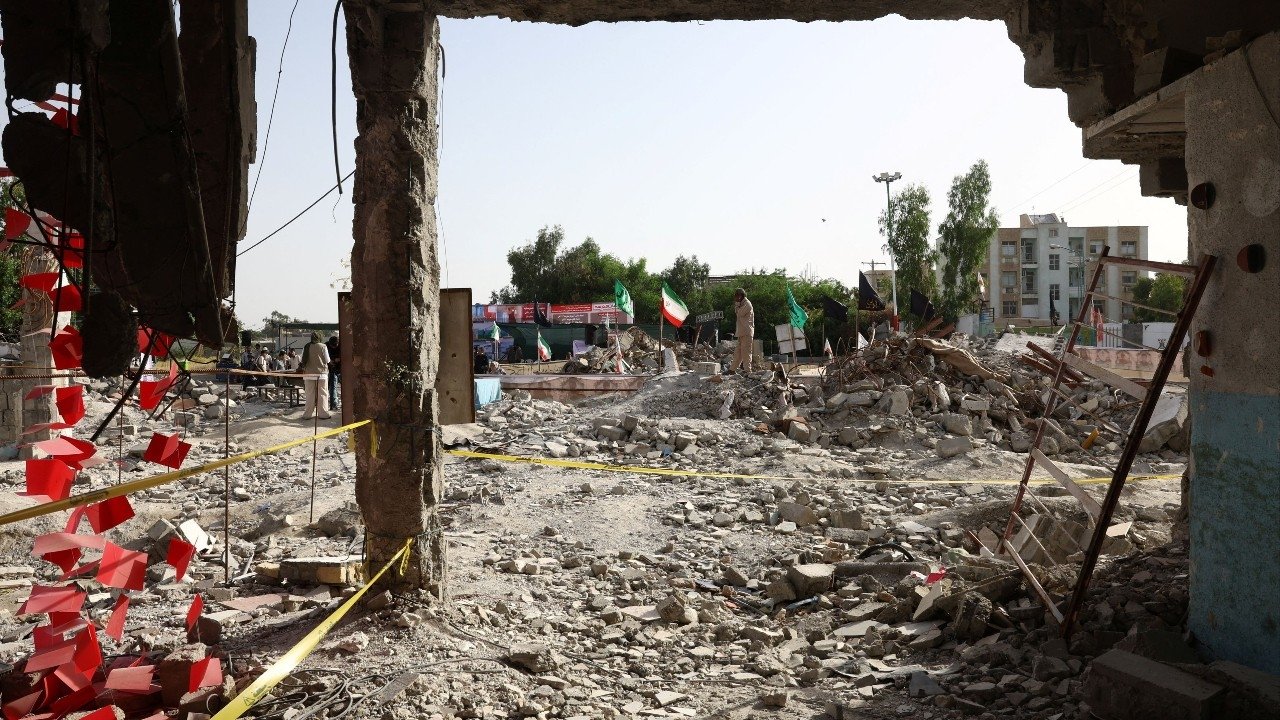
Israel launched fresh strikes across southern Lebanon on Wednesday, intensifying fears that the fragile diplomatic efforts between the United States and Iran could collapse amid growing regional violence

Fighting Escalates in Lebanon, Complicating U.S.-Iran Peace Talks
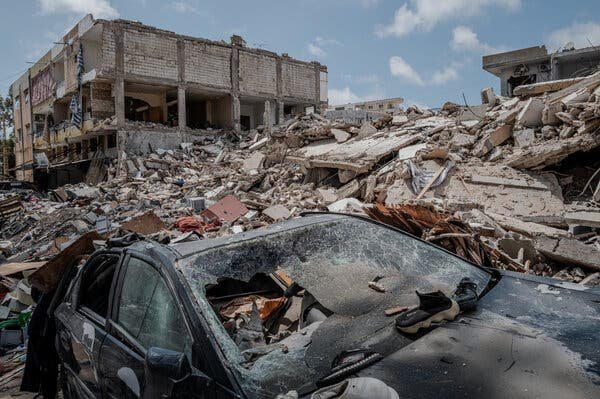
Israel launched fresh strikes across southern Lebanon on Wednesday, intensifying fears that the fragile diplomatic efforts between the United States and Iran could collapse amid growing regional violence.
The latest attacks came a day after at least 31 people were killed in Israeli airstrikes in Lebanon, according to the Lebanese Health Ministry. Among the victims were four children. The Israeli military said it had targeted more than 150 Hezbollah positions in southern and eastern Lebanon over the past 24 hours.
Israeli Prime Minister Benjamin Netanyahu said Israel was “deepening its operation” in Lebanon and deploying additional forces to capture more territory. Evacuation warnings were issued for several areas, including the southern city of Nabatieh.
Meanwhile, Hezbollah announced that its fighters were engaged in close-range combat with Israeli troops near the Litani River, signaling that Israeli ground forces may be pushing deeper into Lebanese territory.
At the same time, tensions between the United States and Iran also escalated despite ongoing negotiations aimed at securing a temporary cease-fire and reopening the Strait of Hormuz.
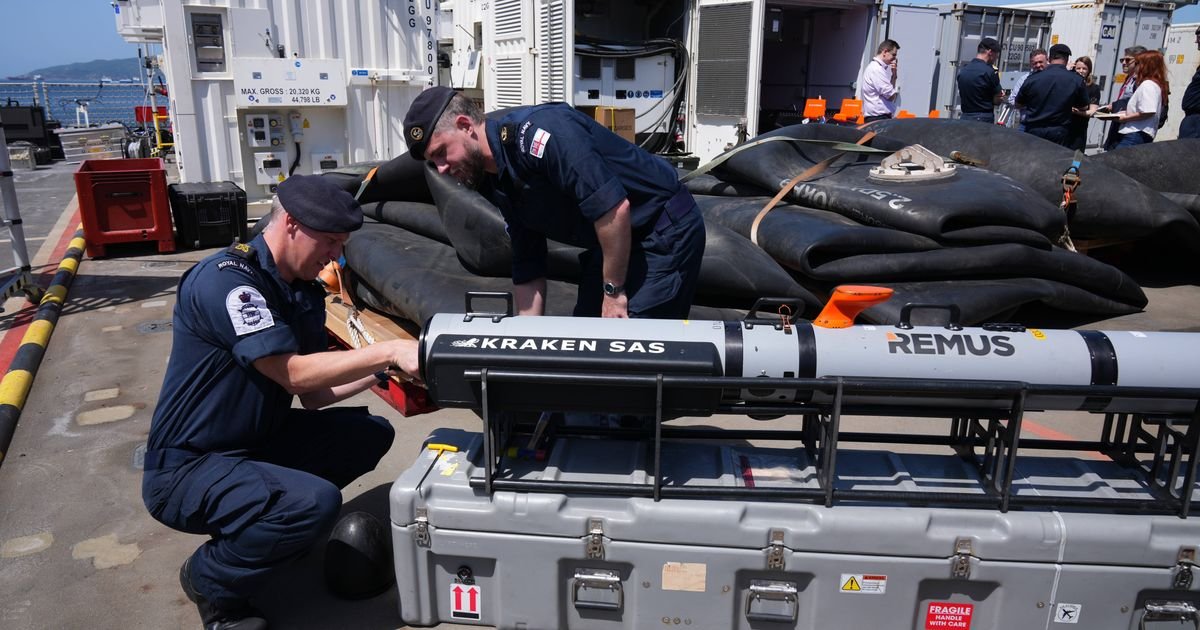
The U.S. military said it carried out “self-defense strikes” on Iranian missile launch sites and mine-laying boats near the Strait of Hormuz after detecting what officials described as threatening military activity by Iran. American officials claimed Iranian drones had also approached U.S. naval vessels operating in the region.
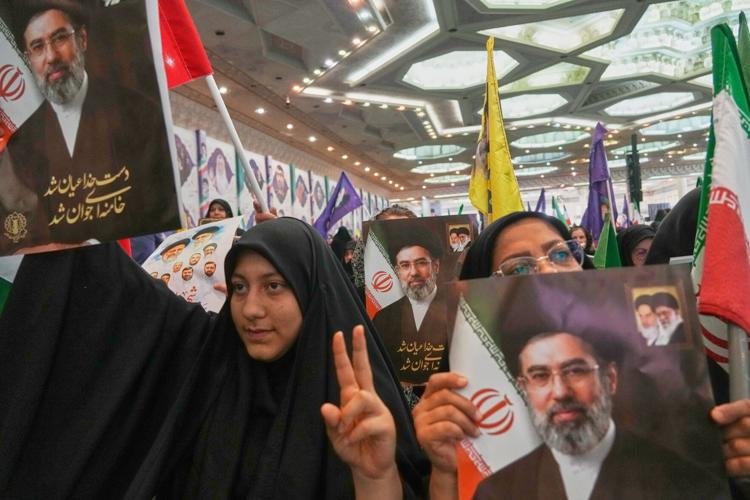
In response, Iran’s Islamic Revolutionary Guard Corps warned of a “decisive reciprocal response” to any violations of the cease-fire. Iran’s Supreme Leader Mojtaba Khamenei suggested that Tehran could resume attacks on American military bases in the Persian Gulf if tensions continue to rise.
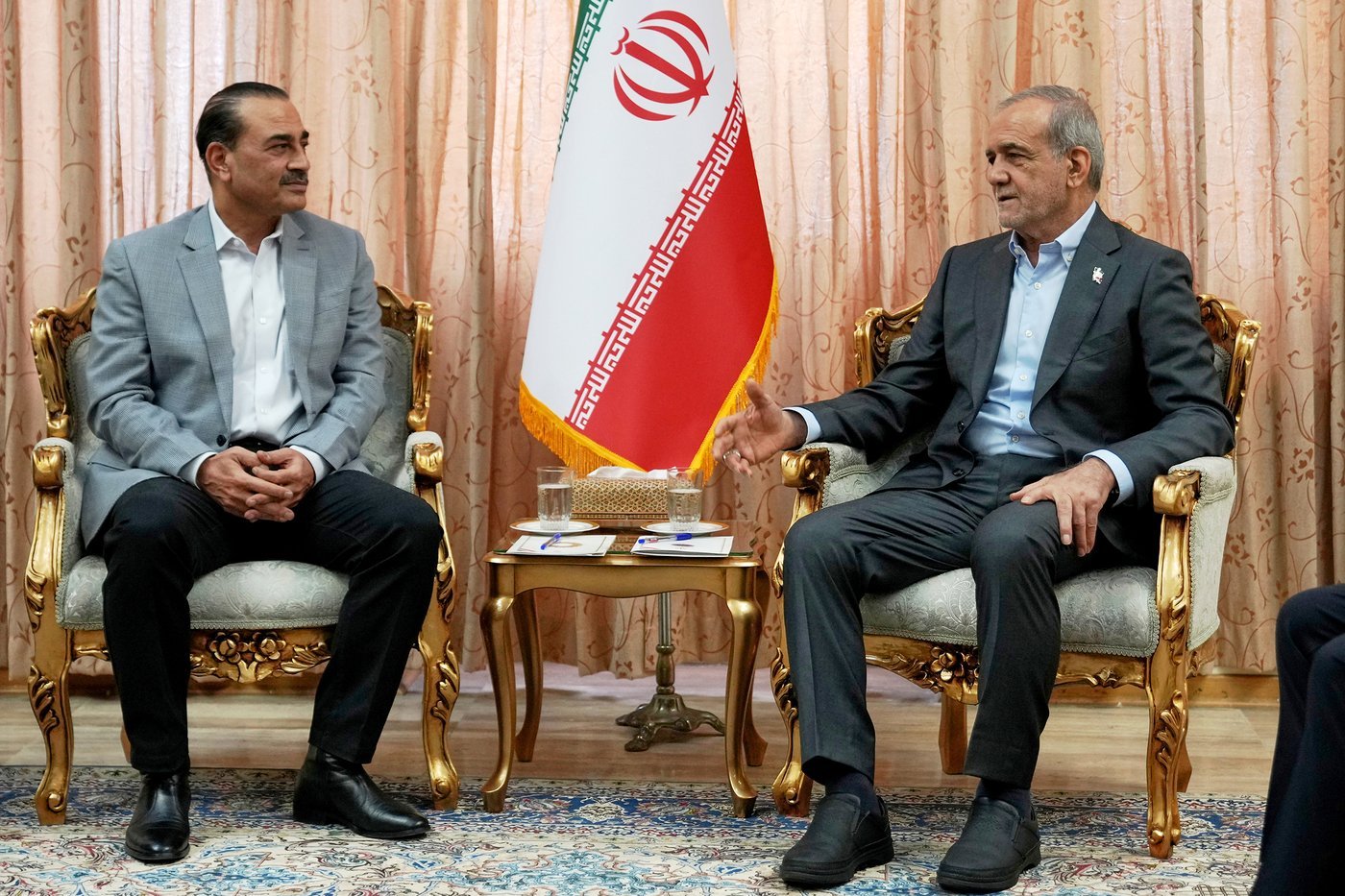
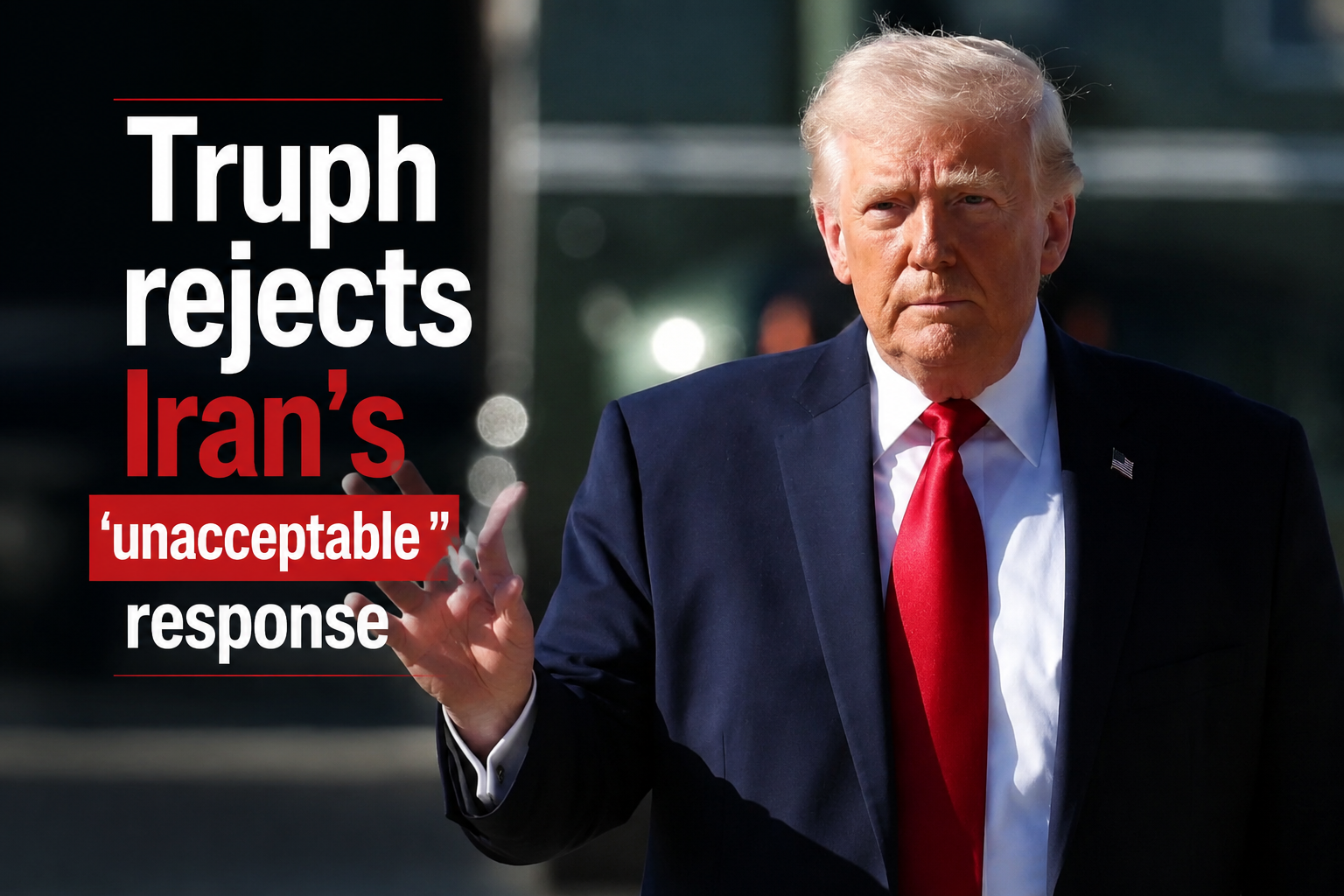
Despite the military flare-ups, diplomatic efforts are still moving forward. U.S. President Donald Trump is expected to hold a full cabinet meeting to discuss progress toward a possible agreement with Iran.
The proposed deal is believed to focus first on halting hostilities and reopening the Strait of Hormuz, one of the world’s most critical oil shipping routes. However, major issues — including Iran’s nuclear program, missile stockpile, and regional proxy groups — remain unresolved.
In another significant development, Iran has started partially restoring internet access after an 88-day nationwide shutdown imposed during the war. Many Iranians described the blackout as psychologically and economically devastating, with activists calling it the longest nationwide internet shutdown in modern history.
Global oil markets reacted cautiously to the latest developments. Brent crude prices fell more than 2 percent on Wednesday to around $95 per barrel, as investors hoped the temporary cease-fire between Washington and Tehran would hold despite the renewed violence in Lebanon.