Analysis: Why Iran's oil industry is increasingly threatened by US blockade
Iran’s oil industry—long the backbone of its economy—is facing one of its most serious crises in decades as a U.S.-led naval blockade tightens pressure on the country’s energy exports. The situation reflects a complex mix of logistical bottlenecks, aging infrastructure, and mounting economic strain

Analysis: Why Iran's oil industry is increasingly threatened by US blockade
Iran’s oil industry—long the backbone of its economy—is facing one of its most serious crises in decades as a U.S.-led naval blockade tightens pressure on the country’s energy exports. The situation reflects a complex mix of logistical bottlenecks, aging infrastructure, and mounting economic strain.
Export chokehold and storage crisis
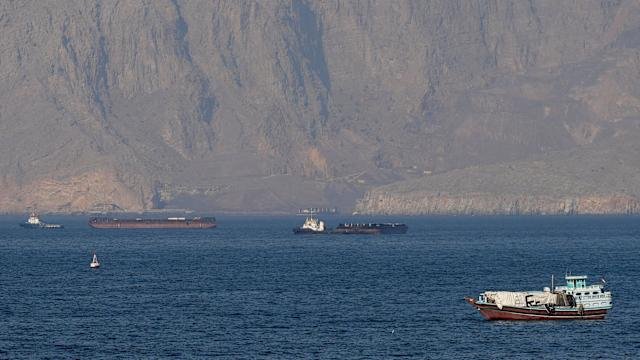
At the heart of the crisis is Iran’s inability to export crude oil. The blockade has sharply reduced shipments, leaving millions of barrels stranded in tankers and storage facilities. Analysts say Iran may have only two to three weeks of storage capacity left, even after cutting production.
With exports disrupted, oil continues to accumulate at key hubs like Kharg Island, forcing Iran to rely on floating storage—an expensive and temporary solution.
Risk of forced shutdowns and long-term damage
As storage fills up, Iran may be forced to shut down oil wells. This is particularly dangerous because many of Iran’s fields are old and poorly maintained due to decades of sanctions. Experts warn that once these wells are shut, they may not restart easily, risking permanent loss of production capacity.
Such shutdowns would not only reduce current output but could undermine Iran’s long-term energy future.
Sanctions and military pressure intensifying impact
The blockade is reinforced by tighter U.S. sanctions and direct actions at sea, including the seizure of oil tankers. This has further discouraged shipping and insurance, effectively isolating Iran from global markets.
As a result, Iran’s oil exports have plunged dramatically, with some estimates suggesting drops of over 80% compared to pre-blockade levels.
Economic fallout spreading
Oil revenue is Iran’s primary source of foreign currency. With exports constrained, hard currency inflows are shrinking, putting pressure on the rial, fueling inflation, and worsening economic instability.
The strain is already visible in rising prices, reduced imports, and growing risks of social unrest in oil-dependent regions.
Global ripple effects
The blockade is not just a domestic issue for Iran. It is also tightening global oil supply, contributing to rising energy prices worldwide. Disruptions in the Strait of Hormuz—through which about 20% of global oil flows—have amplified market volatility.
The AP analysis highlights that Iran’s oil sector is under pressure not simply because of sanctions, but due to a cascading chain reaction: blocked exports → storage overflow → forced production cuts → potential long-term damage.
If the blockade persists, Iran faces a critical choice—either negotiate relief or risk deep, possibly irreversible harm to the industry that sustains its economy.