China Commissions Its Most Advanced Aircraft Carrier ‘Fujian’ — A Major Step, but U.S. Naval Dominance Still Holds
The commissioning of Fujian marks a proud milestone in China’s naval modernization — symbolizing real technological progress. But technology alone doesn’t equal combat readiness. In nuclear endurance, sortie rate, global logistics, and operational experience, the United States remains far ahead. Fujian is a leap forward, but the journey to match America’s maritime dominance is still long and uncertain.

China Commissions Its Most Advanced Aircraft Carrier ‘Fujian’ — A Major Step, but U.S. Naval Dominance Still Holds
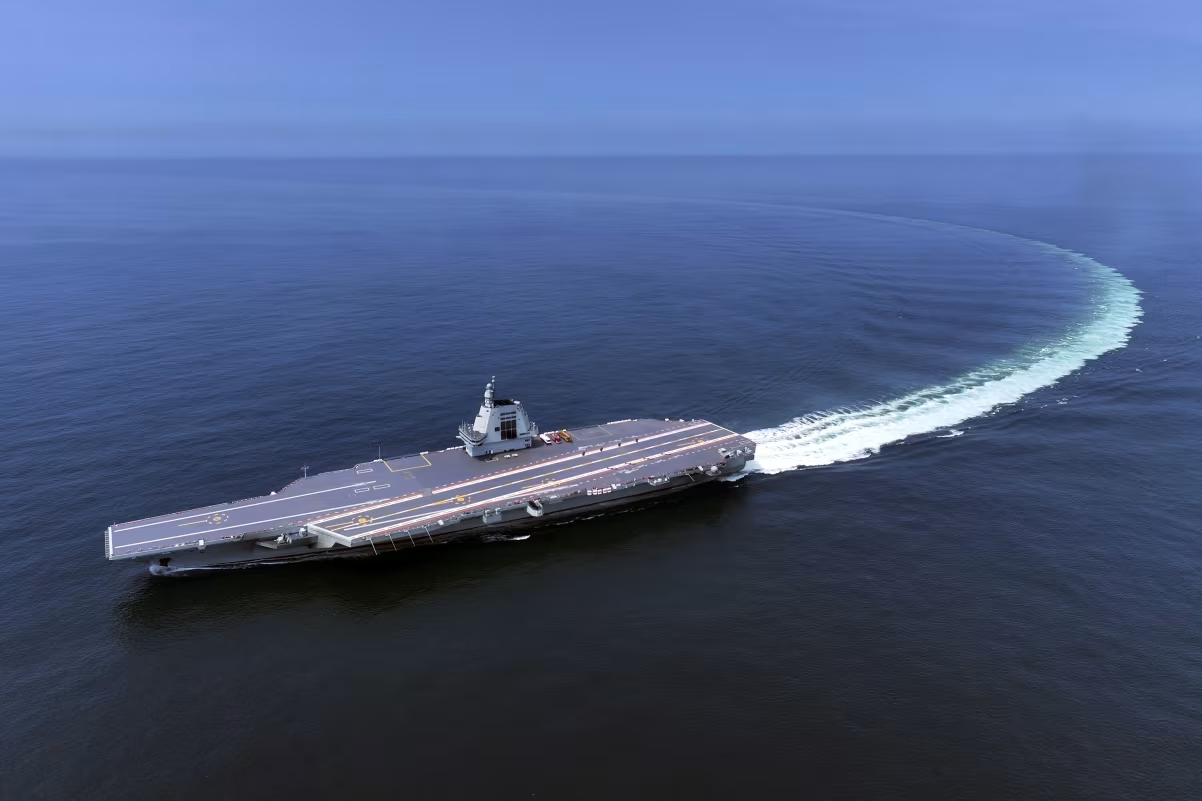
China has officially commissioned its most advanced aircraft carrier, the Fujian (Type-003) — a major symbol of Beijing’s accelerating military modernization.
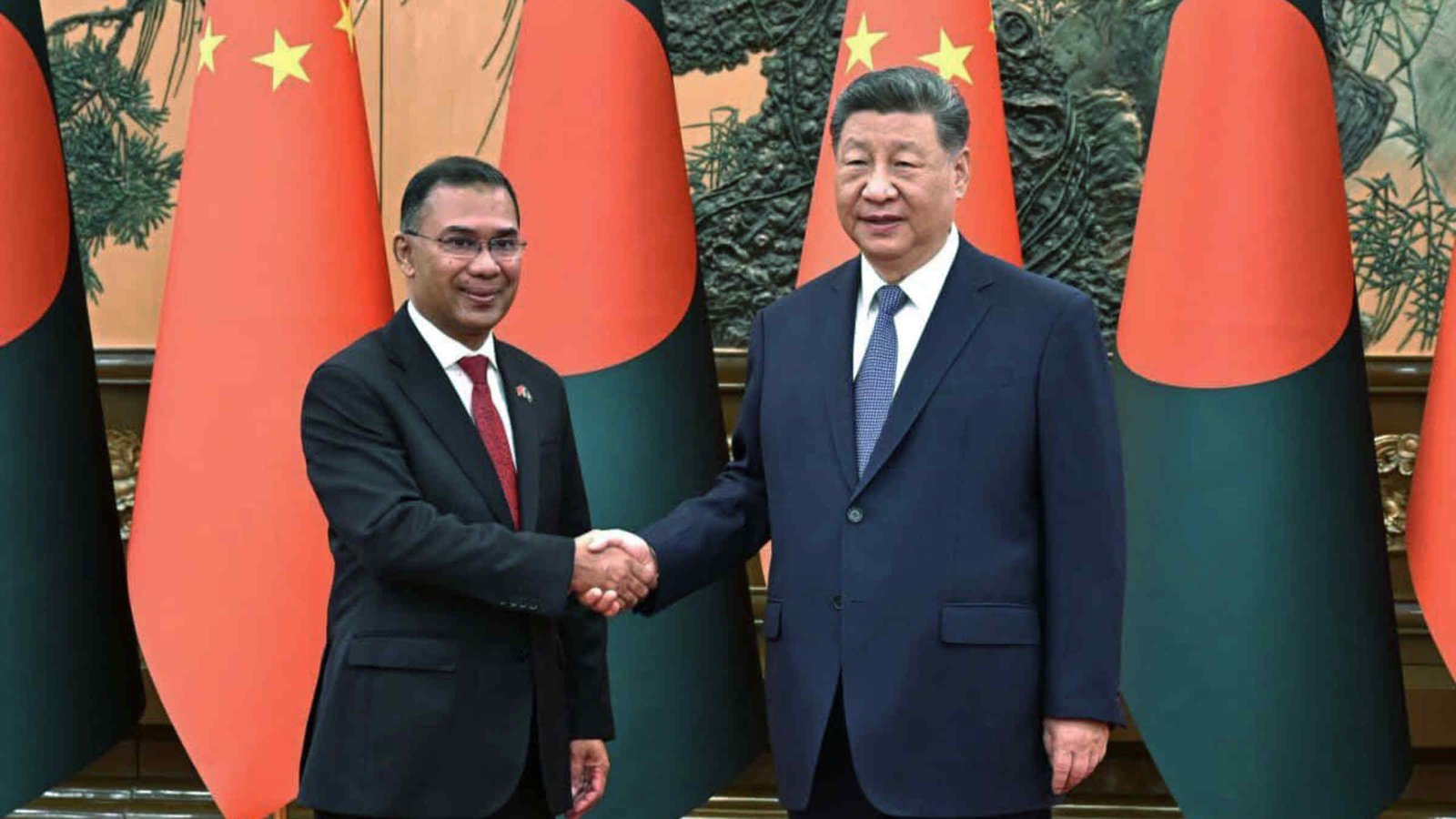
President Xi Jinping personally attended the commissioning ceremony, joined by more than 2,000 engineers and naval personnel.
However, despite the milestone, a closer strategic comparison shows that China still remains far behind the United States in carrier operations, warfare tactics, and overall maritime capability.
⚙️ Technological Leap — What’s New, What’s Missing
Fujian is China’s first CATOBAR carrier, featuring the Electromagnetic Aircraft Launch System (EMALS) — previously used only by the U.S. Navy.
It can launch heavier aircraft such as the J-15T, J-35, and KJ-600, marking a significant upgrade from the older ski-jump carriers.
Yet, possessing EMALS doesn’t automatically translate to operational parity with the U.S. Navy.
Effective integration requires years of experience in flight-deck management, air wing coordination, logistics, and sustained training — areas where China still lags.
⚓ Growing Fleet, but Operational Gaps Remain
China’s navy is expanding faster than any other in the world.
But a true carrier operation requires a Carrier Strike Group (CSG) — supported by destroyers, submarines, logistics ships, and a global network of bases.
The United States has spent decades building this infrastructure, giving it unmatched global reach.
Analysts estimate that Fujian’s operational sortie rate and deck efficiency remain roughly 60% of that of older U.S. carriers — meaning it can generate fewer combat flights per hour, a major disadvantage in real warfare.
⚡ Power and Endurance — Nuclear vs. Conventional
While all U.S. supercarriers are nuclear-powered, allowing for virtually unlimited endurance at sea, Fujian is conventionally powered.
This limits its operational range and long-term deployment capability.
China’s future Type-004 carrier is expected to be nuclear-powered, but it’s still years from becoming operational.
🛡️ Experience and Doctrine Matter
The U.S. Navy brings over a century of carrier warfare experience, global partnerships, and real combat operations.
This deep operational knowledge — from deck handling to battle coordination — can’t be replicated overnight.
China’s navy is still in the early learning phase of carrier operations.
Mohammad Saifur Rahman
Bangladesh Correspondent
CSB NEWS USA