EPA scraps key climate rule, sparking nationwide legal fight
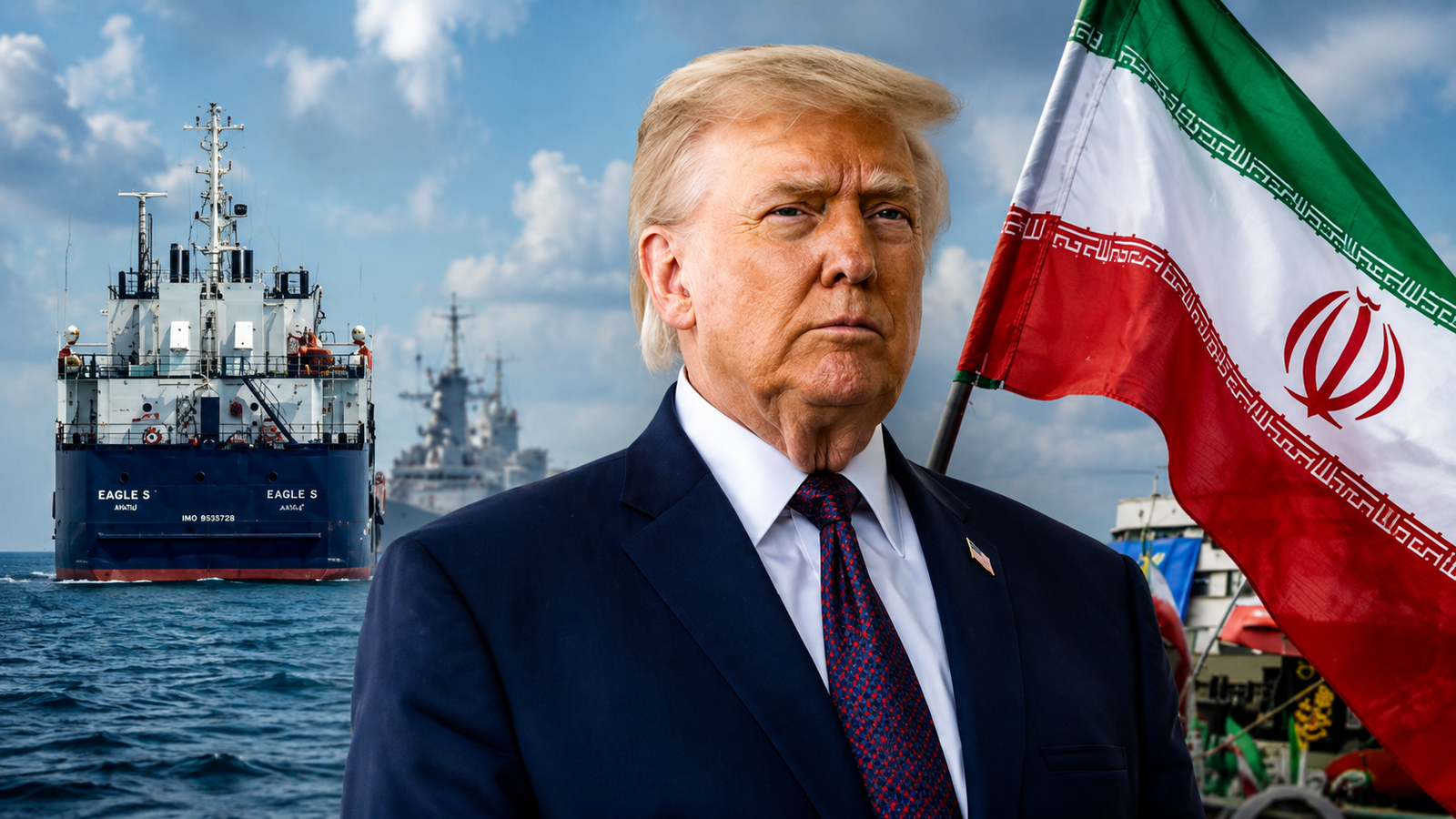
The Trump administration has repealed the 2009 endangerment finding, a scientific determination that greenhouse gases threaten public health. The decision, announced by EPA Administrator Lee Zeldin, removes the federal government’s primary legal authority to regulate carbon emissions — setting the stage for major legal and political battles over the future of U.S. climate policy.

EPA scraps key climate rule, sparking nationwide legal fight
EPA Repeals Endangerment Finding: A Turning Point in U.S. Climate Policy
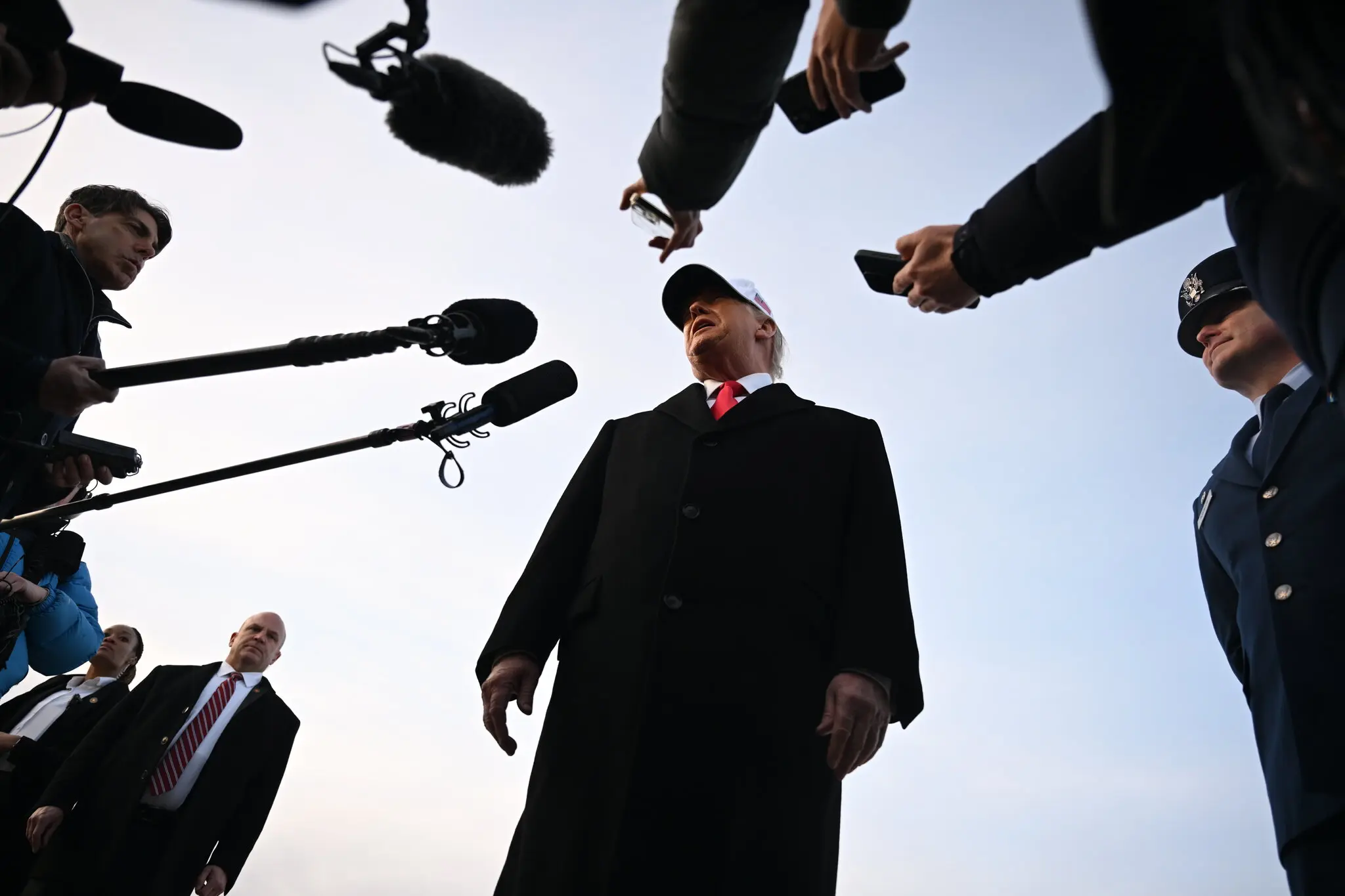
In a landmark and controversial move, the administration of Donald Trump has officially repealed the 2009 “endangerment finding,” a scientific determination that greenhouse gases threaten public health and welfare. The decision was announced by Lee Zeldin, Administrator of the Environmental Protection Agency (EPA), who described it as “the single largest deregulatory action in U.S. history.”
What Was the Endangerment Finding?
Established in 2009 during the administration of Barack Obama, the endangerment finding concluded that carbon dioxide, methane, and other greenhouse gases contribute to climate change and endanger Americans’ health. It became the legal foundation for regulating emissions from vehicles, power plants, and oil and gas facilities under the Clean Air Act.
Administration’s Argument
EPA officials argue that the Clean Air Act only permits regulation of pollutants that cause direct and localized harm. They claim greenhouse gases do not meet that standard. The administration also says environmental regulations have harmed economic growth and restricted consumer choice, especially in the automobile industry.
Some fossil fuel industry groups welcomed the move, including the American Petroleum Institute. However, other business organizations expressed concerns over potential legal uncertainty and the risk of stricter state-level climate policies.
Political Reactions
Former President Barack Obama criticized the repeal, saying it would make Americans “less safe, less healthy and less able to fight climate change.”
California Governor Gavin Newsom pledged immediate legal action, stating that California would continue regulating greenhouse gases regardless of federal rollback.
Environmental groups such as the Natural Resources Defense Council have vowed to challenge the decision in court, arguing it ignores overwhelming scientific evidence.
Meanwhile, Republican lawmakers from fossil fuel-dependent states praised the decision, calling it a boost for affordable energy and local economies.
Scientific Context
According to Europe’s Copernicus Climate Change Service, the Earth has already warmed by approximately 1.4°C since the Industrial Age. Scientists warn that continued emissions could push global temperatures up by 2.6°C by the end of the century.
Under the 2015 Paris Agreement, nearly 200 countries agreed to limit warming to 1.5°C above preindustrial levels. The United States has withdrawn from the agreement under President Trump.
Public health researchers warn that increasing temperatures are intensifying wildfires, heat waves, floods, and the spread of diseases such as dengue. Advocacy groups estimate that repealing the endangerment finding could increase U.S. greenhouse gas emissions by 10% over the next 30 years, potentially leading to tens of thousands of premature deaths.
Broader Impact
Transportation is currently the largest source of greenhouse gas emissions in the United States. The repeal removes federal limits on vehicle greenhouse gas emissions and opens the door to repealing limits on power plants and oil and gas facilities.
Legal battles are expected to follow, and the ultimate fate of the repeal may be decided in federal courts.