Why Trump Says the World Is Not Safe Without Full U.S. Control of Greenland
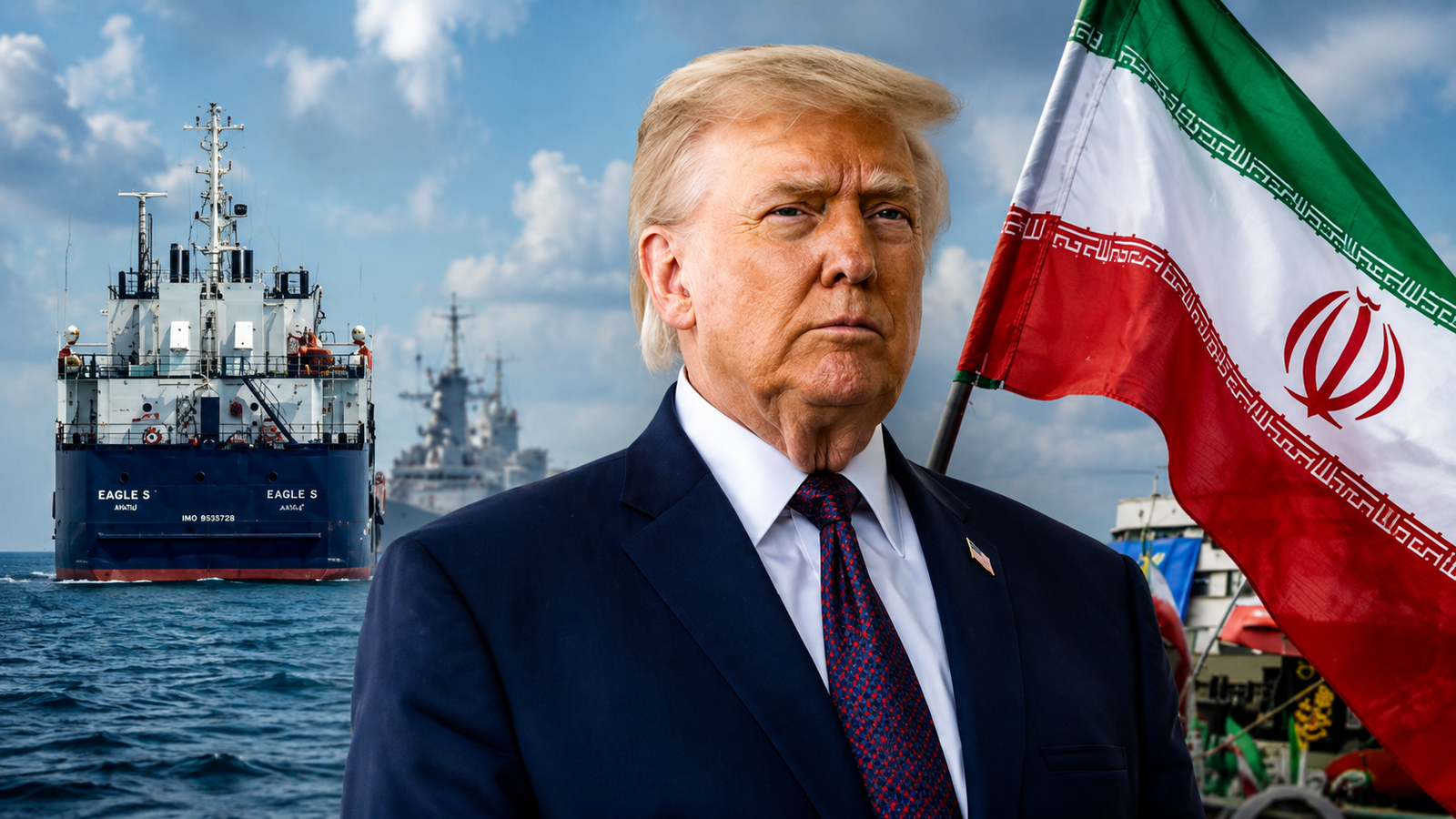
Donald Trump’s renewed push for control over Greenland has sparked global controversy. Critics see provocation, but Trump and his allies argue it is a hard-nosed assessment of emerging global threats. From Arctic militarization to Russian and Chinese expansion, the former president insists that without full U.S. control of Greenland, the world faces growing strategic خطر.

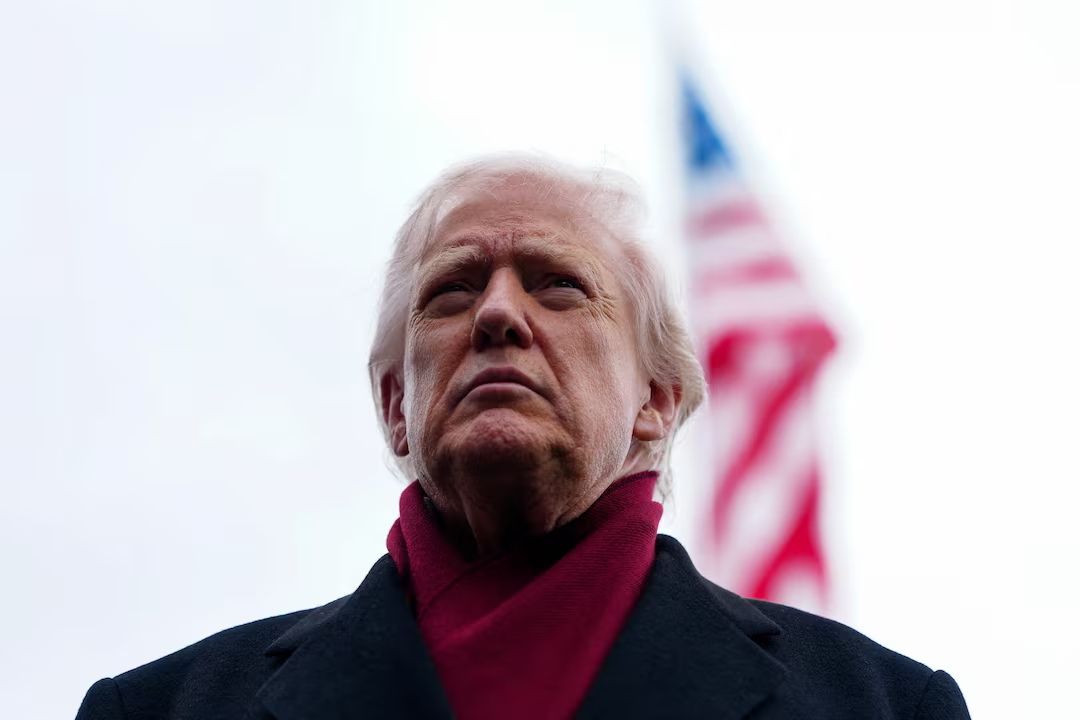
Why Trump Says the World Is Not Safe Without Full U.S. Control of Greenland
Former U.S. President Donald Trump has once again placed Greenland at the center of global geopolitical debate, arguing that the world cannot remain secure unless the United States exercises complete and total control over the Arctic island.
While European leaders frame the issue as one of sovereignty and international law, Trump’s position is rooted in strategic security, military readiness, and the rapidly changing balance of power in the Arctic.
Greenland’s Strategic Location
Greenland occupies a critical position between North America and Europe, making it a natural hub for missile detection, early-warning systems, and Arctic surveillance. U.S. military planners have long viewed the island as essential for monitoring potential missile launches from Russia and for countering growing Chinese ambitions in the polar region.
According to Trump’s allies, fragmented control or limited oversight in such a vital location creates dangerous blind spots in global defense architecture.
The Arctic Power Shift
Russia has dramatically expanded its Arctic military footprint, reopening Soviet-era bases and deploying advanced submarines and missile systems. China, meanwhile, has declared itself a “near-Arctic state,” investing heavily in polar infrastructure, research, and rare-earth mining projects.
Trump argues that Denmark lacks the military capacity to counter these developments, leaving Greenland exposed to foreign influence. In his view, only direct U.S. control can prevent strategic rivals from exploiting the region.
Resources and Future Conflict
Beyond military concerns, Greenland holds vast reserves of rare-earth minerals essential for advanced weapons, clean energy, and semiconductor production. Control over these resources could determine technological and military superiority in the decades ahead.
Trump’s camp warns that allowing China or Russia to dominate these supply chains would undermine not only U.S. security but also the stability of the Western alliance.
NATO’s Limitations
Trump has repeatedly criticized NATO members for underfunding defense and relying disproportionately on U.S. protection. Greenland, he argues, exemplifies the alliance’s structural weakness—where critical security zones are governed by states unable to defend them independently.
From this perspective, U.S. control of Greenland is not expansionism but a corrective measure to ensure effective defense.
A Realist View of Global Security
Addressing criticism that his stance undermines international norms, Trump has dismissed what he calls “idealistic illusions,” insisting that security is maintained by power, preparedness, and control—not symbolism.
In linking the Greenland issue to his Nobel Peace Prize snub, Trump signaled a broader shift: prioritizing tangible security outcomes over diplomatic recognition.
Conclusion
Trump’s position on Greenland remains controversial, but it reflects a growing anxiety about the future of global security. As the Arctic emerges as a new frontline of great-power competition, the question extends beyond ownership—it becomes one of who can actually guarantee stability.
For Trump and his supporters, the answer is clear: without full U.S. control of Greenland, a strategic vacuum will emerge—and history shows that such vacuums are rarely left unfilled peacefully.