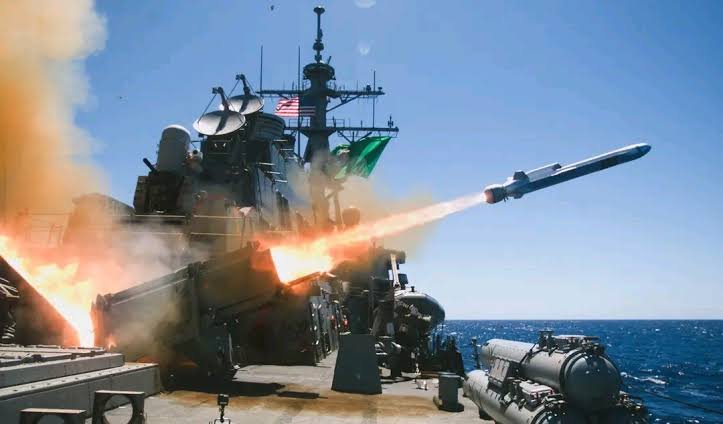
“A National Security Priority”: US Eyes Greenland for Arctic Defense
WASHINGTON, January 7, 2026 — The Trump administration has renewed its strategic focus on Greenland, emphasizing the island’s critical importance to U.S. national security and Arctic defense. President Donald Trump has described Greenland as indispensable for safeguarding American interests, deterring adversaries in the Arctic, and strengthening the United States’ geopolitical position. While respecting Denmark’s sovereignty, the administration is exploring a range of options — including a potential military presence — to secure this key territory.

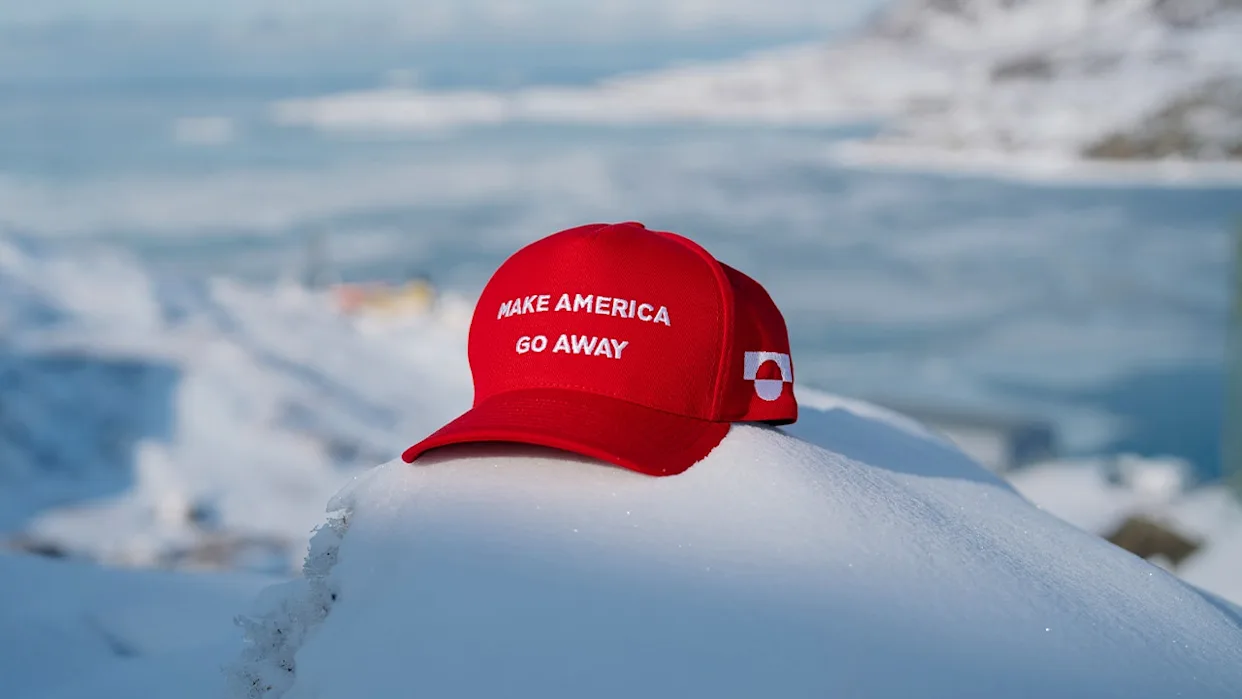
“A National Security Priority”: US Eyes Greenland for Arctic Defense
WASHINGTON, January 7, 2026 — The Trump administration has once again highlighted Greenland as a key strategic asset for the United States, citing the island’s unique geographic location, resource potential, and importance to national security. President Donald Trump stated, “Greenland is critical for our national defense. Its position between North America and Europe makes it essential for monitoring and countering potential threats in the Arctic region.”
White House Press Secretary Caroline Leavitt clarified, “The President has made it clear that acquiring Greenland or increasing our strategic presence there is a national security priority. We are considering multiple options, including the use of military assets if necessary, to ensure American interests are protected.”
Strategic and Economic Importance
Greenland, a self-governing territory under the Kingdom of Denmark, spans 836,000 square miles and holds vast untapped resources, including oil, gas, and rare earth minerals. A recent U.S. State Department analysis confirmed that while the island’s natural resources remain challenging to access due to its harsh climate and limited infrastructure, their potential value is immense. Experts note that Greenland’s location allows the U.S. to monitor Arctic shipping routes, track adversarial activity, and maintain strategic superiority in a region of growing geopolitical tension.
President Trump emphasized that the administration’s interest is not about coercion, but about safeguarding American security. “We must ensure the Arctic does not fall under the influence of our competitors. Greenland gives us a position to deter adversaries like Russia and China,” Trump said.
Diplomatic Relations with Denmark
While asserting U.S. strategic priorities, the administration has underscored its commitment to Denmark as a NATO ally. Trump’s team has consistently framed their Greenland strategy as collaborative, stating that Denmark’s sovereignty and the interests of Greenlandic residents will be respected. Press Secretary Leavitt added, “We are coordinating closely with our NATO partners to ensure that Arctic security is achieved collectively while also protecting American national security.”
Political Reactions and International Perspective
Some U.S. lawmakers have raised concerns over the possibility of military intervention, prompting debates on Capitol Hill. However, White House officials have repeatedly stressed that diplomatic and strategic engagement is the preferred approach, with military presence being one option among many.
Internationally, European leaders, including those from France, Germany, Italy, Poland, Spain, the United Kingdom, and Denmark, have emphasized cooperative Arctic security. Danish Prime Minister Mette Frederiksen acknowledged Greenland’s strategic importance but welcomed dialogue, noting that decisions must respect local governance and international law.
Trump Administration’s Long-Term Vision
Analysts say the administration’s renewed focus on Greenland reflects a broader strategic doctrine aimed at countering emerging threats in the Arctic. Following the capture of Venezuelan leader Nicolás Maduro, Trump has signaled a more assertive foreign policy, prioritizing U.S. security and resource access in critical regions.
President Trump concluded, “Greenland is not just an island; it’s a key to American security in the Arctic. We intend to protect it and ensure it contributes to U.S. defense capabilities now and for generations to come.”