Not Nobel Peace, but Real Peace: Venezuela and Trump’s Hard Realism
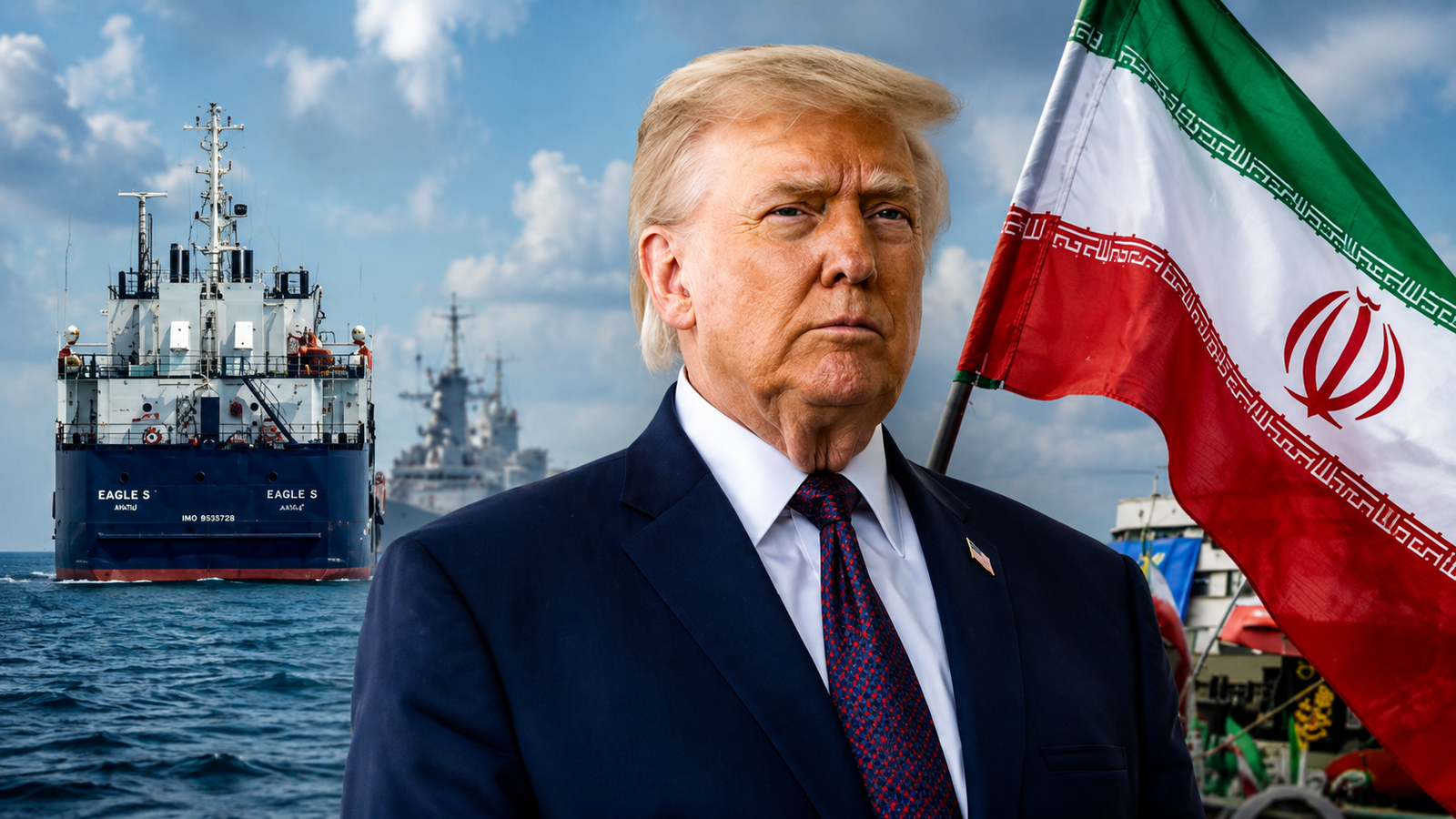
Donald Trump has repeatedly emphasized that democracy is more than casting votes. After years of authoritarian rule, economic collapse, and violations of citizens’ rights in Venezuela, U.S. intervention is being framed as a necessary measure to prevent a failing state from becoming a hub of crime and instability.

Not Nobel Peace, but Real Peace: Venezuela and Trump’s Hard Realism
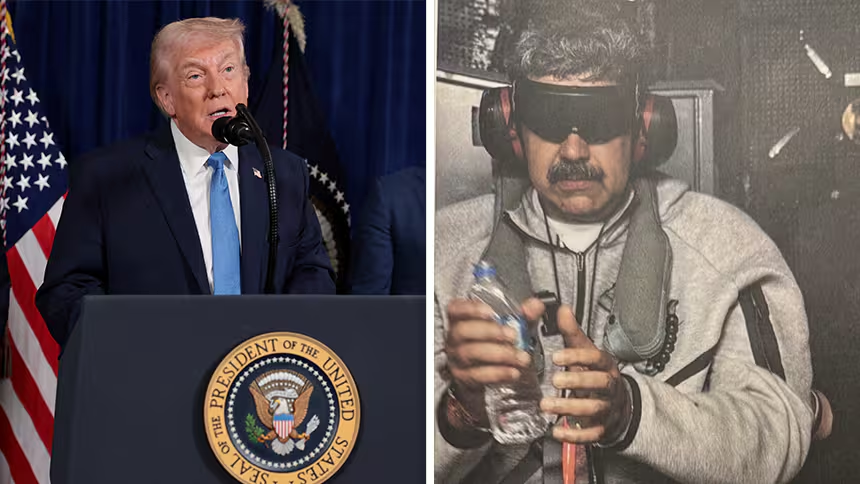
Ashiqur Rahman: Venezuela’s recent political crisis has captured the attention of governments, analysts, and human rights organizations around the world. On January 3, reports surfaced that Venezuelan President Nicolás Maduro had been detained by the United States military. While some immediately labeled this an act of foreign intervention, a closer examination reveals a far more nuanced reality. The action was a decisive measure aimed at restoring order in a state weakened by criminal networks, authoritarian governance, and chronic threats to regional and international security. It underscores a fundamental debate about the balance between idealism and realism in international politics.
Donald Trump has repeatedly emphasized that democracy is not limited to the casting of votes. For him, democracy includes the protection of citizens’ safety, freedom of expression, and accountability of governing institutions. Under Maduro’s rule, Venezuela failed to uphold any of these principles. Instead, the country became a center for drug trafficking, armed militias, corruption, and foreign influence. Years of economic mismanagement and political repression left millions in poverty, forced migration on an unprecedented scale, and weakened the nation’s institutions to the point where governance was largely nonexistent.
The United States administration framed its intervention as facilitating a “safe transition” aimed at restoring democracy. From this perspective, the action was not an act of occupation but a measure of responsibility to prevent a failing and authoritarian state from transforming into a base for organized crime and a destabilizing force in the region. The Trump administration’s philosophy asserts that international law is not only a set of formal rules but also a practical instrument to protect human life and maintain security. Protecting democratic principles often requires decisive measures, even when such actions provoke criticism on the global stage.
The contested elections of 2024 further revealed the Venezuelan public’s desire for change. Independent observations and polling indicated widespread support for Edmundo Gonzalez, a candidate representing reformist and opposition forces. Both international observers and internal opposition groups noted these trends. In the eyes of the Trump administration, where electoral fraud undermines the voice of the people, international involvement becomes necessary to ensure transparency and fairness. Recognizing Gonzalez as a legitimate future leader is a symbolic acknowledgment of the Venezuelan people’s struggle for democratic governance after years of authoritarian repression.
Historical context is crucial to understanding the gravity of the situation. Venezuela’s political instability has roots that extend back decades, marked by fluctuating economic policies, corruption, and a reliance on oil revenues that exposed the country to global market volatility. Hugo Chávez, Maduro’s predecessor, implemented policies that centralized power in the executive branch and undermined independent institutions. Over time, this created conditions in which authoritarianism could thrive, opposition voices were marginalized, and state resources were diverted to sustain political loyalty rather than public welfare. The consequences of these policies have continued under Maduro, compounding social unrest, economic collapse, and international concern.
Certain neighborhoods in Caracas, such as Plaza Francia and Altamira, have historically been centers of resistance against authoritarian rule. These areas have witnessed numerous protests, civil disobedience campaigns, and public demonstrations demanding accountability. The Maduro government’s attempt to maintain power solely through coercion, propaganda, and the suppression of dissent ignored these social realities. From this environment emerged figures such as María Corina Machado, who gained international recognition for her uncompromising opposition to authoritarianism and dedication to human rights. Her activism has become a symbol of resilience for Venezuelans seeking democratic governance.
Her receipt of the Nobel Peace Prize in 2025 sparked debate. Critics questioned whether a Nobel Peace Prize should be awarded in a situation involving military intervention. However, for Trump supporters and proponents of a pragmatic approach to international relations, the award represented support for the long struggle of the Venezuelan people against authoritarianism. Peace, in this context, does not mean inaction or appeasement. It requires confronting the structural causes of unrest and implementing solutions that ensure long-term stability. Trump’s political philosophy consistently emphasizes that difficult decisions are sometimes necessary to secure lasting peace.
Critics often describe United States actions as imperialist or motivated by self-interest. Yet the fundamental question remains: should the international community remain a passive observer when a state fails to protect its citizens’ rights and threatens regional stability? From the Trump administration’s perspective, the answer is clear. Unchecked authoritarianism not only harms the citizens of the affected state but also destabilizes neighboring countries and challenges global security norms. Intervention, when carefully calibrated and aimed at restoring governance and security, is seen as both ethical and strategic.
Regional dynamics further complicate the Venezuelan situation. Latin America has historically experienced cycles of authoritarian rule, populist governments, and U.S. intervention. Venezuela’s collapse had ripple effects on neighboring countries, contributing to refugee crises in Colombia, Brazil, and other nations. Economic instability and the spread of organized crime have created security challenges that extend beyond Venezuela’s borders. From a geopolitical standpoint, ensuring stability in Venezuela is not just a matter of domestic governance but also a regional security imperative. A weak and unstable Venezuela creates opportunities for external actors to expand influence, threatens trade routes, and undermines democratic norms throughout Latin America.
The United States’ response, framed in terms of realpolitik, prioritizes functional democracy, citizen safety, and regional stability over idealistic notions of non-intervention. The Trump administration’s foreign policy asserts that real peace requires confronting the root causes of instability, rather than tolerating disorder in the name of diplomacy or political correctness. This approach views enduring stability as contingent upon the establishment of accountable governance, transparent institutions, and a security framework that prevents the resurgence of authoritarianism or criminal networks.
Venezuela’s crisis is emblematic of a broader global challenge. Idealized notions of peace, when pursued without attention to practical realities, can fail to protect vulnerable populations and allow crises to deepen. Trump’s philosophy emphasizes pragmatic engagement, where strategic intervention, protection of human rights, and the promotion of democratic governance are central priorities. Lasting peace is not merely the absence of conflict but the creation of conditions under which societies can function safely, democratically, and sustainably.
In conclusion, the Venezuelan case provides an important lesson for international relations. Realism in foreign policy is not a justification for aggression but a framework for addressing complex crises where inaction may exacerbate suffering. The Trump administration’s actions in Venezuela illustrate a commitment to safeguarding democracy, upholding human rights, and protecting regional stability. Genuine peace requires confronting threats decisively, supporting legitimate governance, and ensuring that failed or authoritarian states cannot harm their own citizens or their neighbors. Venezuela’s recent events demonstrate that principled and pragmatic international engagement can transform a failing state into one capable of stability, democratic governance, and long-term growth.