Rohingya children walk through a refugee camp in Ukhiya, Bangladesh, where school closures and aid cuts have placed thousands at risk of exploitation and lost futures.
Foreign aid cuts have shut down schools and protection programs in Rohingya refugee camps, pushing children into child labor, early marriage, and trafficking while deepening an already severe humanitarian crisis.

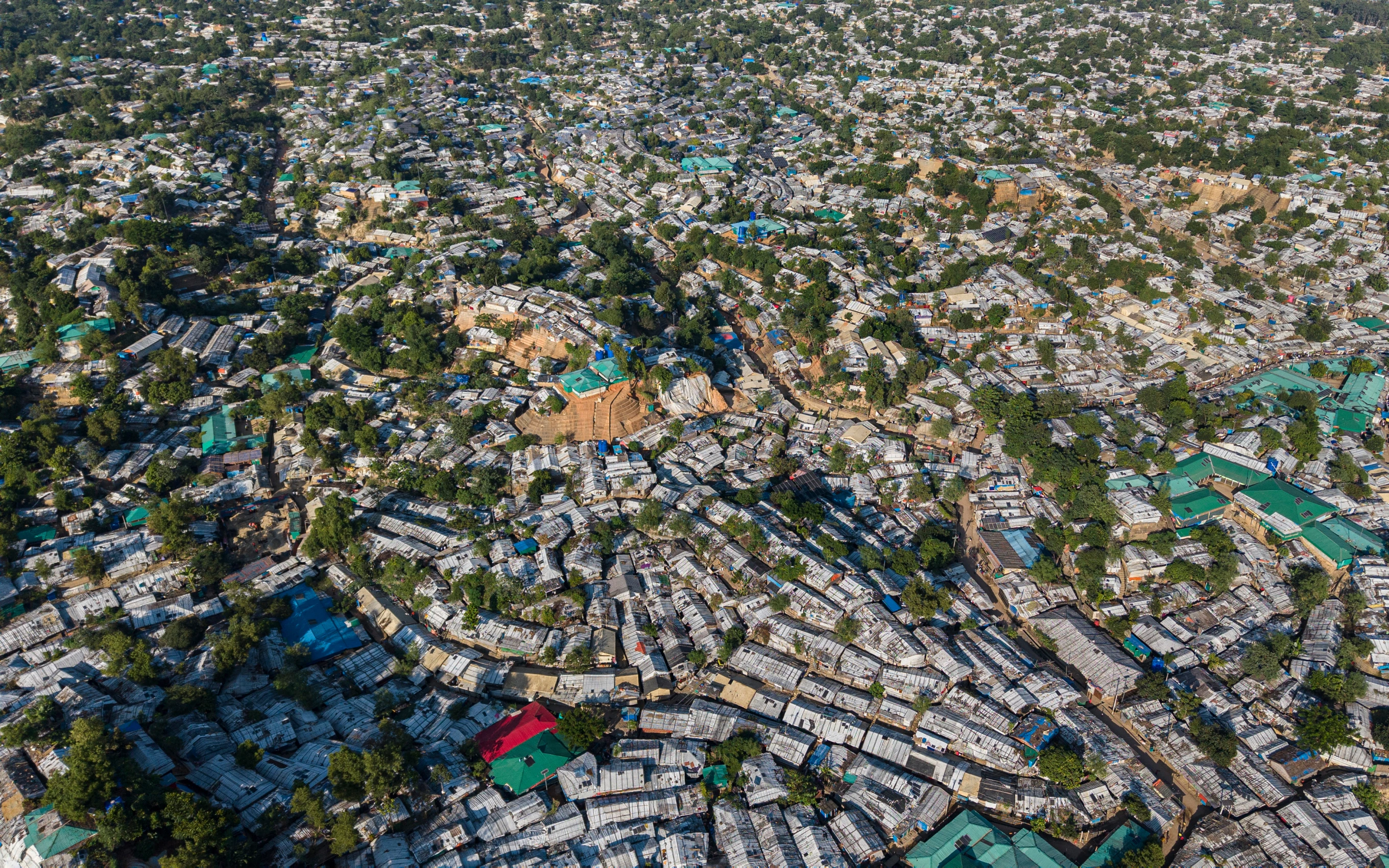
Rohingya children walk through a refugee camp in Ukhiya, Bangladesh, where school closures and aid cuts have placed thousands at risk of exploitation and lost futures.
Trafficked, Exploited, Married Off: Rohingya Children Suffer as Aid Cuts Deepen Crisis
Ukhiya, Bangladesh — Thousands of Rohingya children living in refugee camps in Bangladesh are facing worsening exploitation, child labor, early marriage, and trafficking after major foreign aid cuts forced schools and child protection programs to shut down.
The funding reductions, led by the United States and followed by other donor countries, resulted in the closure of thousands of learning centers and youth facilities across the camps. As a result, many children were left without education, safety, or supervision.
Girls under 18 were increasingly married off as families feared growing insecurity, while boys were pushed into dangerous manual labor to help support their households. Aid agencies report a sharp rise in kidnappings, child trafficking, and recruitment by armed groups operating inside the camps.
According to UNICEF, reported cases of child abduction more than quadrupled in 2025, while child labor and child marriage also rose significantly. Aid workers warn that the real numbers are likely much higher due to underreporting.
Although some learning centers have recently reopened, thousands of children remain out of school, and humanitarian groups say future funding shortages could worsen the crisis further. With limited food supplies, healthcare cuts, and no opportunity to work outside the camps, Rohingya families remain dependent on international aid to survive.
Human rights organizations warn that without urgent global action, an entire generation of Rohingya children risks losing their education, safety, and future.
(AP)