Trump secures major drug price cuts in deal with pharmaceutical giants
President Trump reaches landmark deals with major drugmakers to lower Medicaid and cash-pay drug prices, aiming to end U.S. overpayment for medicines.

Trump secures major drug price cuts in deal with pharmaceutical giants
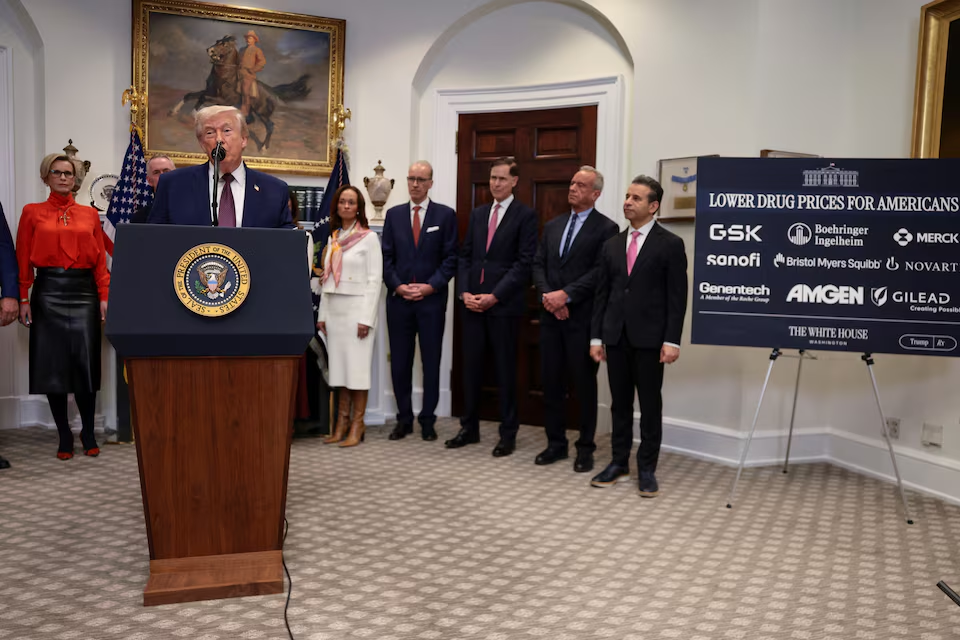
WASHINGTON, Dec 19 — U.S. President Donald Trump announced agreements with nine major pharmaceutical companies to significantly cut the prices of prescription medicines for the government’s Medicaid program and for cash-paying patients, marking a major push to bring U.S. drug prices closer to those in other wealthy nations.
Companies signing the deals include Bristol Myers Squibb, Gilead Sciences, Merck, Roche’s Genentech, Novartis, Amgen, Boehringer Ingelheim, Sanofi, and GSK. Trump unveiled the agreements at a White House press conference alongside top pharmaceutical executives.
“We were subsidizing the entire world. We’re not doing it anymore,” Trump said, emphasizing his administration’s effort to stop Americans from paying the highest drug prices globally.
Under the agreements, drugmakers will reduce prices on most medicines sold to Medicaid, which serves low-income Americans. Several companies also committed to lowering direct-to-consumer, cash-pay prices through a planned government platform called TrumpRx, where patients without insurance can buy medications directly.
In exchange, participating companies will receive a three-year exemption from potential tariffs, easing investor concerns. Following the announcement, shares of most drugmakers rose modestly as markets downplayed the financial impact, noting that Medicaid already receives steep discounts.
Some companies detailed specific concessions:
-
Bristol Myers Squibb will provide the blood thinner Eliquis to Medicaid at no cost.
-
Merck will sell diabetes drugs Januvia and Janumet directly to consumers at about 70% off list prices.
-
Amgen will offer migraine and arthritis drugs at discounts of 60% to 80%.
-
Sanofi said patients could save around 70% on treatments for diabetes, heart disease, and infections.
Officials also said the companies pledged more than $150 billion in U.S. investments for research, development, and manufacturing, along with commitments to launch future drugs in the U.S. at prices no higher than those in other developed countries.
The White House said the deals represent a shift away from foreign price subsidization and toward what it called “fair pricing for American patients.”
(Reuters)