U.S. job growth rebounds in November, but unemployment rises as trade tensions cloud labor market outlook.
U.S. hiring rebounded in November, but rising unemployment and economic uncertainty tied to trade policy continue to pressure the labor market.


U.S. job growth rebounds in November, but unemployment rises as trade tensions cloud labor market outlook.
U.S. job growth rebounded in November, beating expectations after a sharp decline the previous month, though signs of a weakening labor market remain. According to the U.S. Labor Department, nonfarm payrolls increased by 64,000 jobs in November following a loss of 105,000 jobs in October, which was largely caused by government spending cuts and voluntary departures of federal workers.
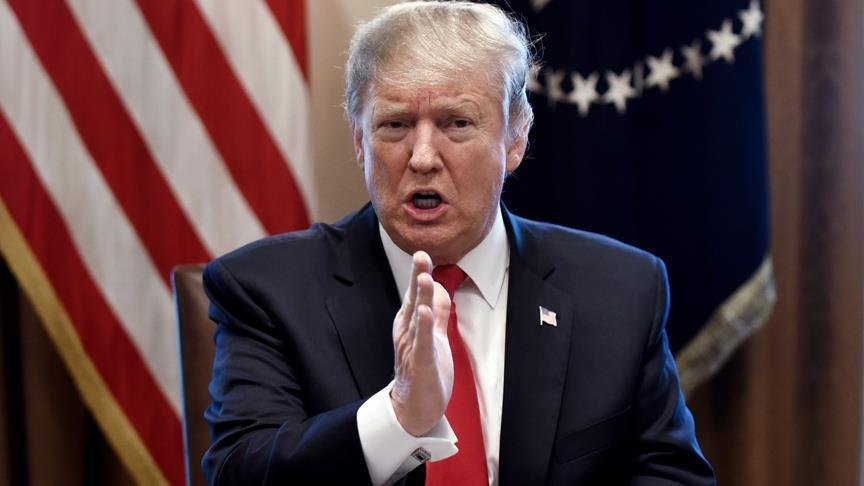
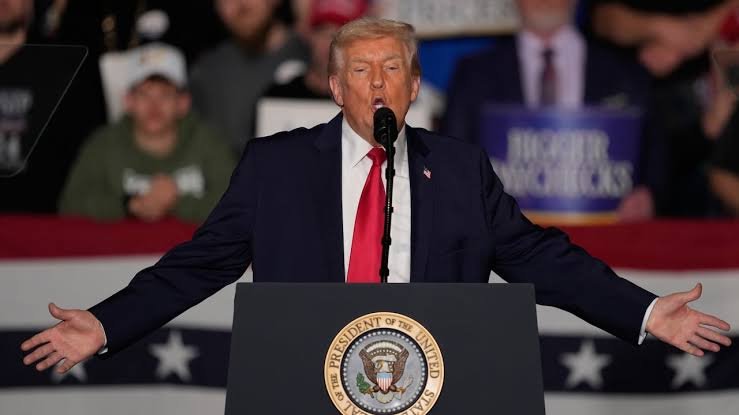
Despite the recovery in hiring, the unemployment rate stood at 4.6%, reflecting growing economic uncertainty linked to President Donald Trump’s aggressive trade policies. Economists noted that sweeping import tariffs have increased prices and dampened consumer spending, prompting employers to slow hiring.
The employment report was delayed due to a prolonged government shutdown that disrupted data collection. As a result, the Bureau of Labor Statistics (BLS) made temporary adjustments to labor force estimates, warning that November’s unemployment figures may show higher-than-usual variation.
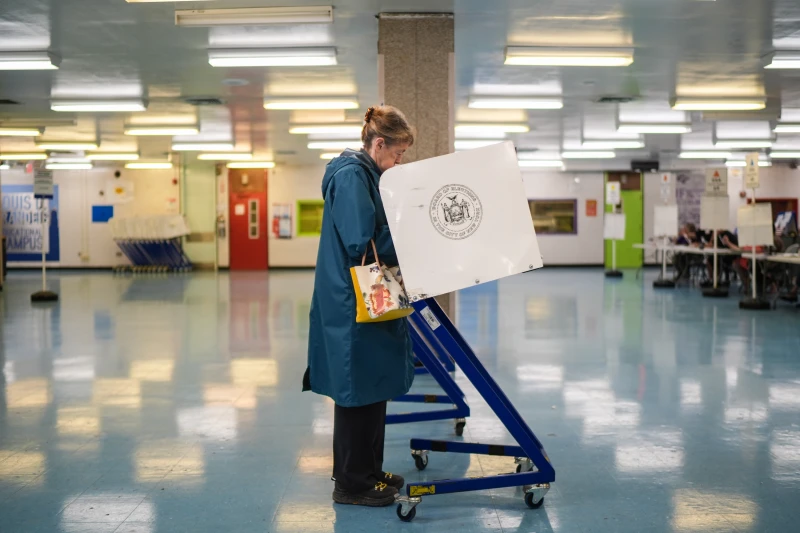
Household sentiment toward the job market weakened in November, with many Americans expressing concern about future employment prospects. Meanwhile, the Federal Reserve recently cut interest rates by 25 basis points, but signaled caution about further reductions until there is clearer evidence on labor market stability and inflation trends.
Federal Reserve Chair Jerome Powell warned that the labor market faces “significant downside risks,” citing earlier revisions that showed substantially fewer jobs were created over the past year than previously estimated. The BLS is expected to release final benchmark revisions in February.