Dark Fleet: How Mexico’s CJNG Cartel Built a Billion-Dollar Fuel Empire
Mexico’s powerful CJNG cartel built a billion-dollar empire smuggling fuel using tankers disguised as lubricant shipments — with help from U.S. companies. BN:

Dark Fleet: How Mexico’s CJNG Cartel Built a Billion-Dollar Fuel Empire
A months-long Reuters investigation has revealed how Mexico’s most powerful criminal organization, the Jalisco New Generation Cartel (CJNG), has quietly expanded its empire into one of the most lucrative sectors of the global energy market — fuel smuggling.
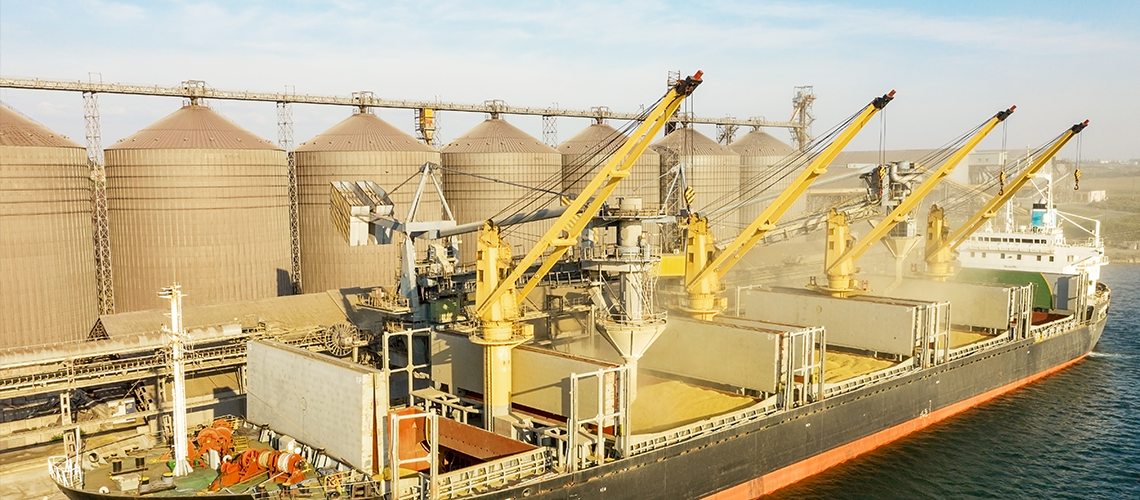
According to the report, CJNG used a fleet of oil tankers and front companies to import vast quantities of diesel into Mexico under false documentation. The operation relied on a Houston-based company, Ikon Midstream, which allegedly purchased diesel from Canada and declared it as “lubricants” to evade detection by customs authorities.
Once the tankers reached Mexico, the cargo was received by Intanza, a little-known company that investigators now believe acted as a front for the cartel. Through this elaborate scheme, CJNG built a vast network capable of supplying as much as one-third of Mexico’s diesel market, with an estimated annual value exceeding $20 billion.
The scheme, authorities say, represents one of the largest fuel smuggling operations ever uncovered in the Western Hemisphere. It exploited weaknesses in both U.S. and Mexican oversight, with corrupt customs and naval officials allegedly helping facilitate the entry of illicit fuel into Mexican ports.
The revelations have triggered a wave of investigations in both countries, including corruption probes targeting Mexican navy officers and customs inspectors accused of turning a blind eye to the cartel’s operations.
Officials in Washington and Mexico City are now calling for a coordinated crackdown on what investigators describe as the “dark fleet” — a network of tankers operating under fake paperwork, often changing flags and identities to mask their origins.
“This is no longer just drug trafficking — it’s industrial-scale fuel laundering,” said one U.S. security analyst familiar with the case. “The CJNG has effectively built a parallel energy market that competes with legitimate imports.”
Experts say the smuggled diesel not only enriches the cartel but also distorts Mexico’s domestic energy market, undercutting legitimate suppliers and costing the government billions in lost tax revenue.
As investigations deepen, questions are mounting over how such large-scale operations went unnoticed for so long — and whether international energy companies indirectly enabled the trade by failing to vet their buyers.