The ceasefire is hanging by a thread — and civilians in Gaza are paying the price.
Israel has decided to keep the Rafah crossing closed, accusing Hamas of violating the ceasefire by delaying the return of hostage bodies. Hamas denies the charge, saying Israel is using false claims to tighten its blockade. The move threatens to deepen Gaza’s humanitarian crisis and derail ongoing peace efforts.

The ceasefire is hanging by a thread — and civilians in Gaza are paying the price.
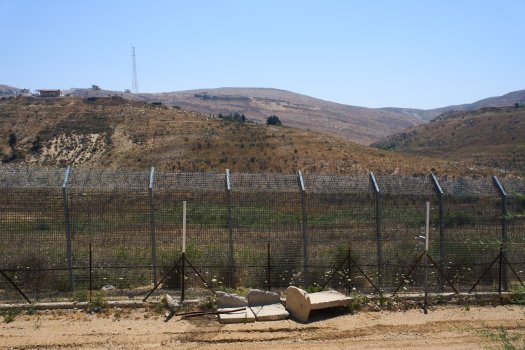
CAIRO/JERUSALEM, Oct 19 — Israeli Prime Minister Benjamin Netanyahu announced on Saturday that the Rafah border crossing between Gaza and Egypt will remain closed until Hamas hands over the bodies of all deceased Israeli hostages.
This decision comes just hours after the Palestinian embassy in Egypt said the crossing would reopen on Monday — highlighting the deep mistrust between the two sides despite a fragile U.S.-brokered ceasefire.
For days, Israel and Hamas have been accusing each other of violating the truce. The U.S. State Department said it had received “credible reports indicating an imminent ceasefire violation by Hamas against the people of Gaza,” warning that such an attack would be a “grave violation” of the agreement.
Hamas, however, rejected the accusation, claiming that Israel was using “false narratives” to justify continued aggression and blockade. The group also accused Israeli authorities of supporting “criminal gangs” responsible for kidnappings and looting inside Gaza.
Netanyahu said the Rafah crossing will not reopen until Hamas complies with its commitment to hand over all bodies of hostages killed during the war. So far, Hamas has returned 12 out of 28 bodies under the current deal.
Hamas argued that the continued closure of Rafah prevents search operations and delays recovery of the remaining bodies from under the rubble, calling the move a “blatant violation of the ceasefire agreement.”
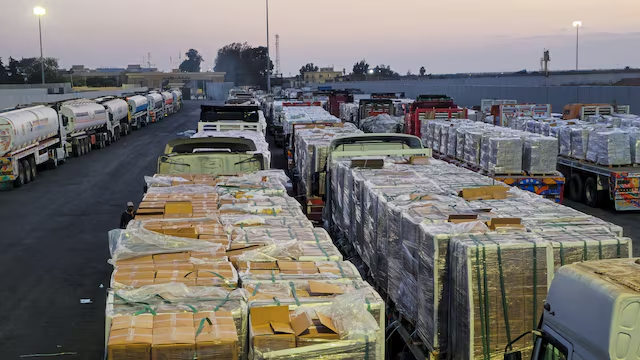
The dispute comes as Gaza faces a deepening humanitarian catastrophe. Nearly all residents have been displaced, hospitals are overwhelmed, and famine has been confirmed by global hunger monitors. Although aid deliveries have increased since the ceasefire began, the volume — around 560 metric tons per day — remains far below what is needed.
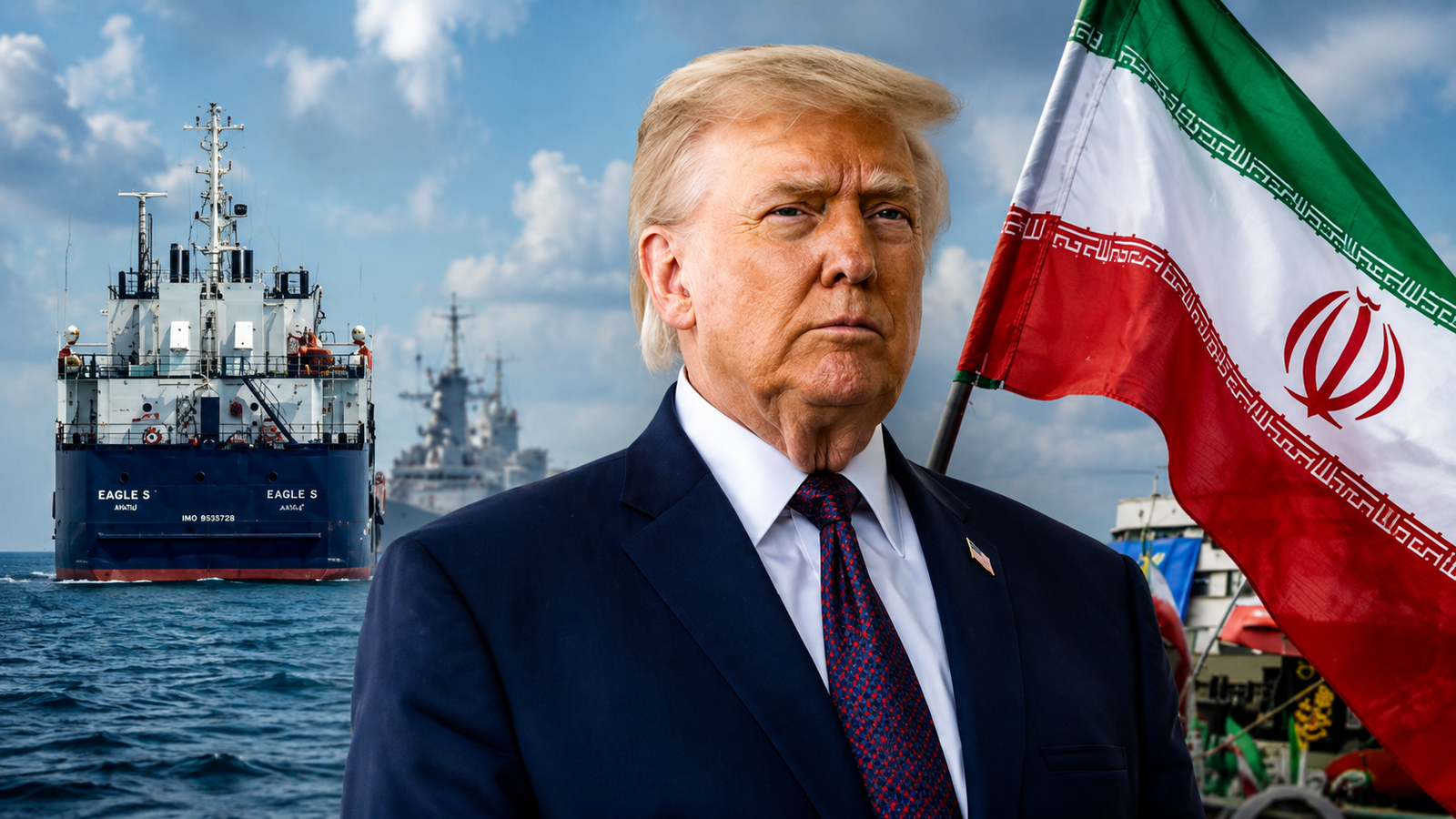
The Rafah crossing, closed since May 2024, was meant to reopen under President Donald Trump’s 20-point peace plan, which also includes provisions for disarmament of Hamas, formation of an international stabilization force, and steps toward a future Palestinian state.
But as mutual distrust grows and key provisions remain unresolved, hopes for a lasting peace appear increasingly uncertain.