Iran Militarily Devastated After Nuclear Conflict with Israel Revolutionary Guard Faces Deep Uncertainty
The Islamic Revolutionary Guard Corps (IRGC) of Iran was once a revolutionary militia born out of idealism and fear. However, after recent U.S. and Israeli attacks,

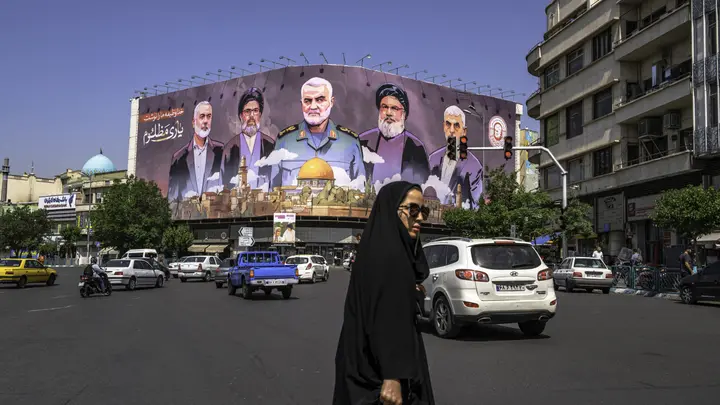
Iran Militarily Devastated After Nuclear Conflict with Israel Revolutionary Guard Faces Deep Uncertainty
Iran Militarily Devastated After Nuclear Conflict with Israel Revolutionary Guard Faces Deep Uncertainty
[Tehran — July 2025]
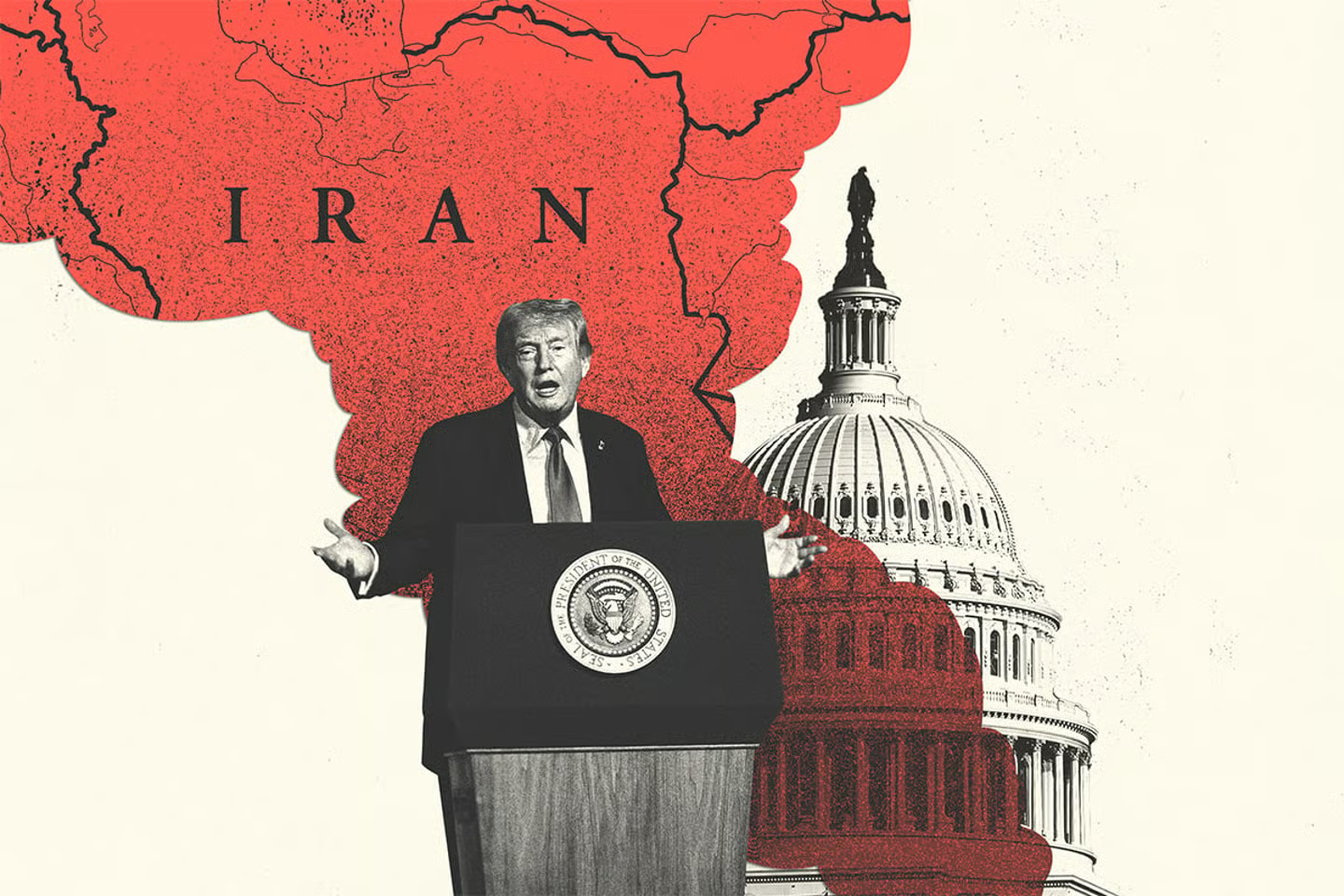
The Islamic Revolutionary Guard Corps (IRGC) of Iran was once a revolutionary militia born out of idealism and fear. However, after recent U.S. and Israeli attacks, the future of this force is now shrouded in deep uncertainty.
“What the IRGC has tried to build over the past 25 years is effectively destroyed. Their internal defense strategy — missile development and nuclear enrichment — and their attempts to expand dominance in the Middle East through proxies have all fallen apart,” analysts say.
The IRGC was formed after the 1979 Islamic Revolution. Its goal was to protect and spread the revolution’s ideals — often through violent means. Initially, it established its legitimacy by drawing on memories of the anti-Shah struggle and the Iran-Iraq war.
Benham Ben Taleblu, Senior Director of the Iran Program at FDD, said:
“The religious leaders distrusted the national army and formed the IRGC from a pro-regime committee. Their main aim was to ‘preserve the revolution,’ which is why extremism and terrorism still persist today.”
Cracks in Ideology, Alienation of the People
Dr. Ostovar says,
“Until now, the IRGC has waged an ideological war portraying the U.S. and Israel as ‘symbols of threat,’ but the younger generation no longer connects with that ideology. Iranians now seek better relations with the Western world.”
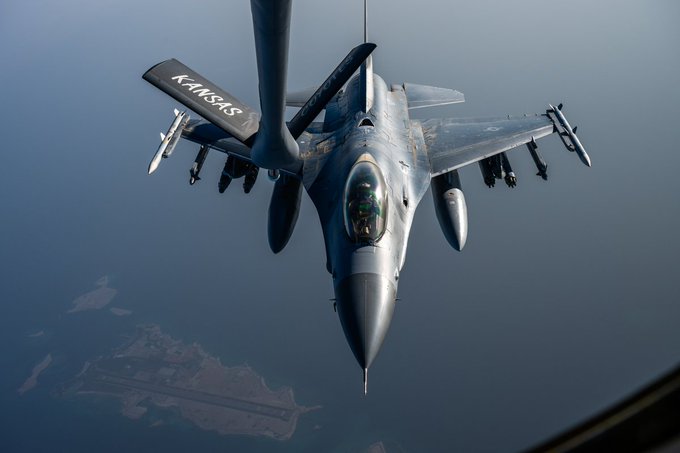
Currently, the IRGC is a power partner with Iran’s religious elite. But in recent years, losing ground in Syria, the fall of Hamas in Gaza, weakening Hezbollah in Lebanon, and joint U.S.-Israeli attacks on Iran’s nuclear and military facilities — all have severely diminished their regional influence.
Next Strategy: Returning Home, Relying on Russia and China
Ostovar believes,
“Even if they try, rebuilding this military empire will be difficult. Instead, they will rely more on domestic repression and seek help from China and Russia for air defense and aviation technology.”
The IRGC’s economic empire is also under pressure. Due to U.S. sanctions, cyberattacks, and battlefield losses, their foreign transactions are restricted. Foreign banks now avoid dealing with IRGC-linked entities, forcing them to operate under aliases.
Internal Repression is the Easiest Weapon
The IRGC can no longer send arms to Gaza, has lost influence in Lebanon, and repeatedly fails in attacks against Israel. But repressing their own population is something they can still do easily.
Ostovar says,
“Their only easy path now is to return home and increase repression. Iran might become even more authoritarian, like North Korea.”
Analysts say the fall of the IRGC or the regime is not unusual, but authoritarian states often survive for a long time — like Venezuela or Cuba.
Although the younger generation of IRGC members is no longer as religiously fanatic, extremism remains strong.
“They may not worry about the hijab, but they have spent the last 20 years on battlefields — in Iraq, Syria, Lebanon — growing up fighting against the U.S. and Israel,” Ostovar said.