NATO countries decide to raise defense spending to 5% of GDP at President Donald Trump’s proposal
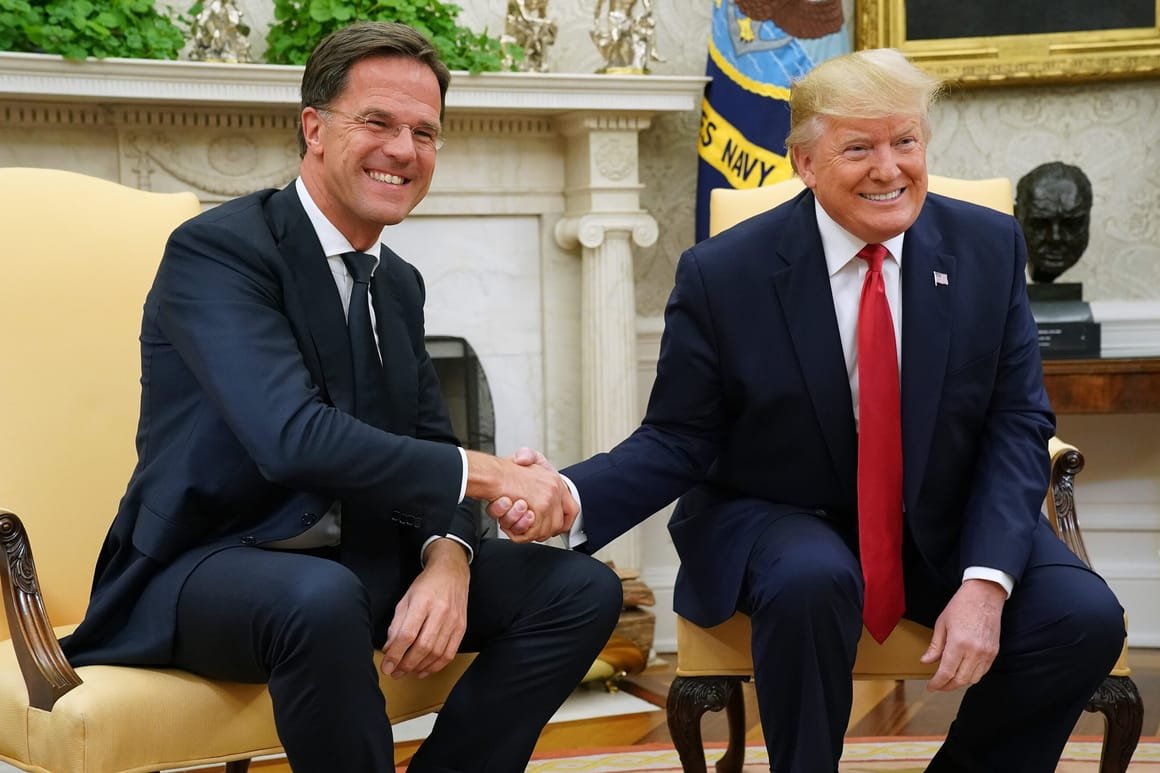
Under pressure from President Donald Trump and in response to the growing threat from Russia, member states of the NATO alliance have made an unprecedented decision to raise defense spending to 5% of GDP. NATO Secretary General Mark Rutte described the decision as “essential

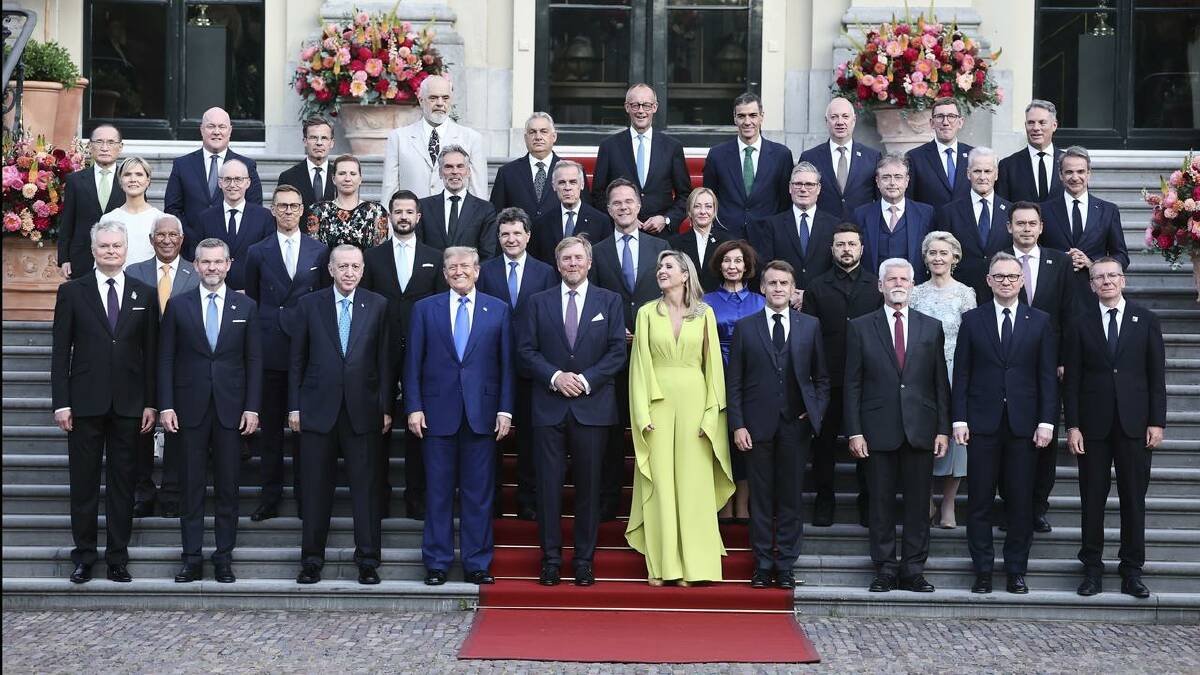
NATO countries decide to raise defense spending to 5% of GDP at President Donald Trump’s proposal
NATO countries decide to raise defense spending to 5% of GDP at President Donald Trump’s proposal
[The Hague, June 25, 2025] — Under pressure from President Donald Trump and in response to the growing threat from Russia, member states of the NATO alliance have made an unprecedented decision to raise defense spending to 5% of GDP. NATO Secretary General Mark Rutte described the decision as “essential.”
Rutte said, “Given the Russian threat and the international security situation, my colleagues are in full agreement that there is no alternative.”
Article 5 and Trump’s stance
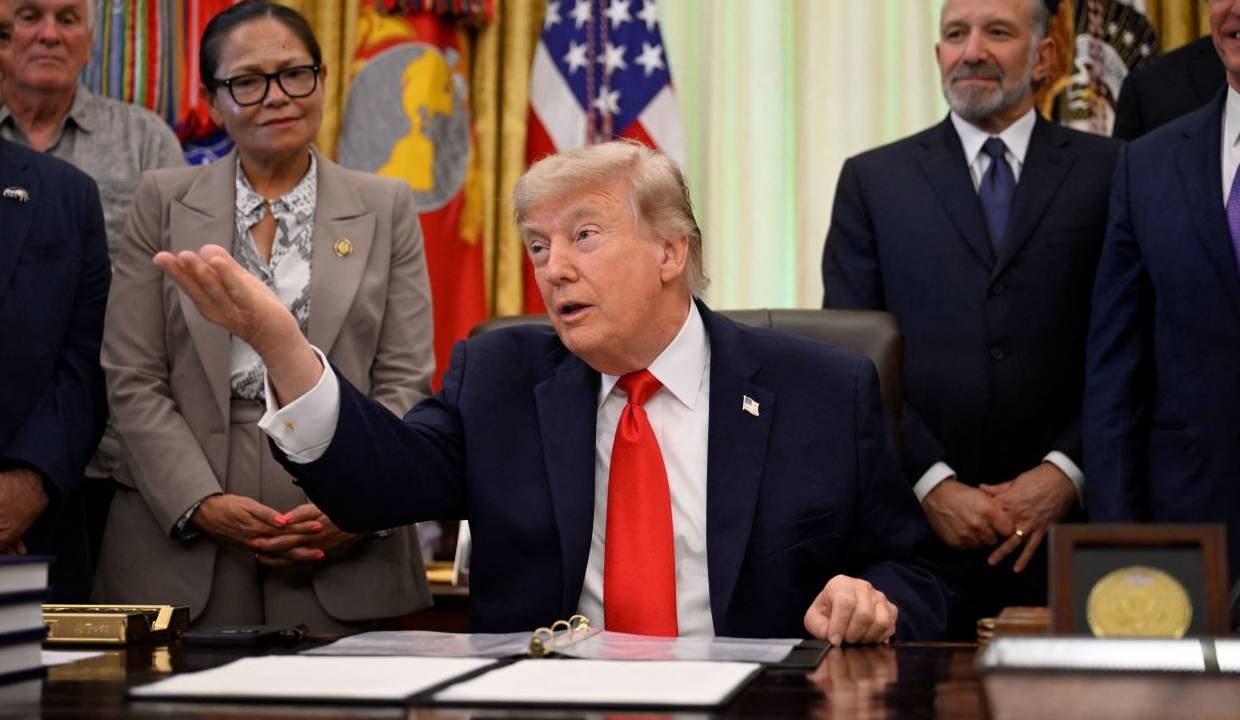
Ahead of the NATO summit, President Trump told reporters, “We stand with our allies,” thereby attempting to ease concerns about NATO’s mutual defense policy under Article 5. However, in the same statement, he added that Article 5 had “multiple definitions,” sparking fresh debate.
Internal divisions: Spain and Hungary express differing views
While all NATO member states approved the new 5% of GDP defense spending target, Spain declared that it would not meet the full goal, claiming it can fulfill its commitments with lower spending. Although Secretary General Rutte disagreed with Spain’s stance, a political compromise was reached with Spanish Prime Minister Pedro Sánchez to maintain smooth proceedings and avoid tensions with Trump.
Meanwhile, Hungarian Prime Minister Viktor Orbán stated, “NATO has no business being involved in the Ukraine war” and claimed Russia does not pose a real threat to NATO.
The structure of the new defense spending plan
This new defense spending plan is set to be implemented over the next 10 years. It marks a major shift from the current 2% GDP target. The breakdown includes:
-
3.5% for core military spending: troops, weapons, and training.
-
1.5% for indirect security: cybersecurity, energy pipelines, and infrastructure adapted for military vehicles.
Zelenskyy's presence and meeting with Trump
Ukrainian President Volodymyr Zelenskyy did not attend the main session of the summit but participated in the pre-summit dinner. A private meeting with President Trump is also scheduled.
Kremlin’s reaction
The Russian presidential office condemned the decision, calling it a case of “indiscriminate militarization.” The Kremlin claimed, “NATO is portraying Russia as a ‘demon from hell’ to justify this massive increase in military spending.”
This decision signals a significant shift in Europe’s security architecture. According to analysts, NATO’s new target reflects not only strategic preparation against Russia but also the influence of Trump in shaping a new political balance within the alliance. Finnish President Alexander Stubb described it as “the birth of a new NATO,” where European nations have taken on increased responsibility.