Germany’s Newly Elected Chancellor Friedrich Warns of Tougher Sanctions on Russia
Thomas Frei, Chief of Staff and Minister for Special Affairs in the office of Germany’s newly elected Chancellor Friedrich Merz, has warned that Europe must “step out of its comfort zone” and consider tougher sanctions against Russia. These could include bans on imports of gas and uranium as well as seizing frozen Russian state assets.

Germany’s Newly Elected Chancellor Friedrich Warns of Tougher Sanctions on Russia
Germany’s Newly Elected Chancellor Friedrich Warns of Tougher Sanctions on Russia
Berlin, May 22, 2025
Thomas Frei, Chief of Staff and Minister for Special Affairs in the office of Germany’s newly elected Chancellor Friedrich Merz, has warned that Europe must “step out of its comfort zone” and consider tougher sanctions against Russia. These could include bans on imports of gas and uranium as well as seizing frozen Russian state assets.
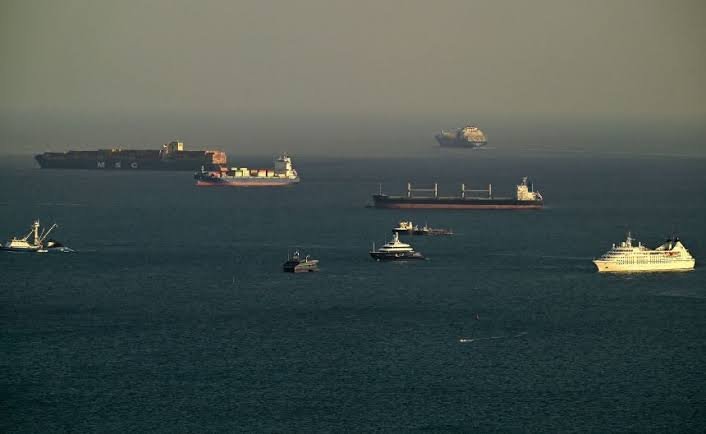
In an interview with Reuters, Frei stated that the European Union and the United Kingdom recently announced new sanctions on Russia, targeting Moscow’s so-called “shadow fleet” of oil tankers and financial institutions helping to circumvent earlier restrictions.
Frei emphasized,
“We need to go beyond our comfort and take actions that truly go further than the current status quo.”
When asked whether banning gas or uranium imports and seizing frozen Russian state assets would be appropriate, he replied,
“These are precisely the kinds of measures that would genuinely hurt Russia — and that should be the main goal of sanctions.”
Frei also voiced support for sanctions on the Nord Stream gas pipeline.
Chancellor Friedrich Merz, who took office earlier this month, had said last week that Germany and its allies would proceed with seizing Russian frozen assets if there is legal justification.
Discussions on banning Russian energy imports are still ongoing, Frei confirmed.
He added,
“I strongly support moving forward in this direction, because we’ve seen in the past that Russia only reacts or considers change when a clear and firm message is sent.”
Following Russian President Vladimir Putin’s rejection of a European ceasefire proposal, Berlin’s stance has become increasingly firm.
Frei said,
“Putin does not want peace. Even during last week’s peace talks in Istanbul, Russia intensified its attacks.”
He accused Putin of playing a delaying game, saying,
“Putin is trying to create military realities on the ground and it’s clear that he views victory in war as his primary goal. This is by no means a scenario for achieving peace anytime soon.”