United States Committed to NATO Cooperation, But Europe Must Increase Defense Spending from 2% to 5% - Secretary of State Marco Rubio
The United States has maintained its commitment to NATO, but has pressured European allies to increase their defense spending, Secretary of State Marco Rubio said on Thursday. He also stated that European allies would be given some time to meet this demand.

United States Committed to NATO Cooperation, But Europe Must Increase Defense Spending from 2% to 5% - Secretary of State Marco Rubio
United States Committed to NATO Cooperation, But Europe Must Increase Defense Spending from 2% to 5% - Secretary of State Marco Rubio
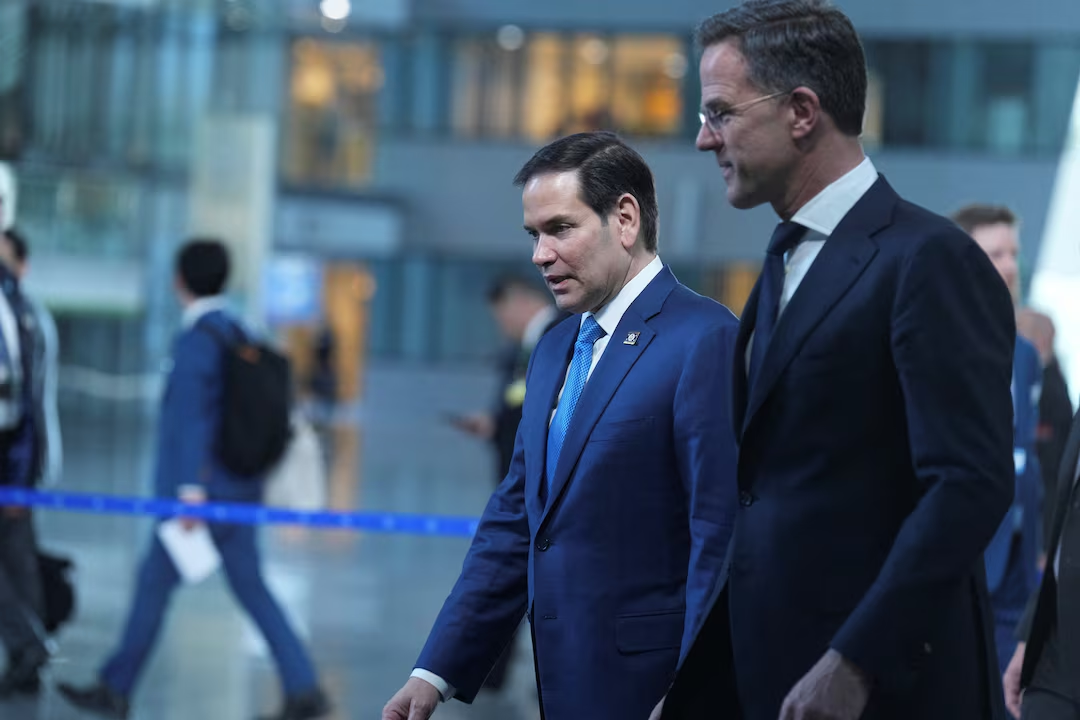
Brussels, April 3 — The United States has maintained its commitment to NATO, but has pressured European allies to increase their defense spending, Secretary of State Marco Rubio said on Thursday. He also stated that European allies would be given some time to meet this demand.
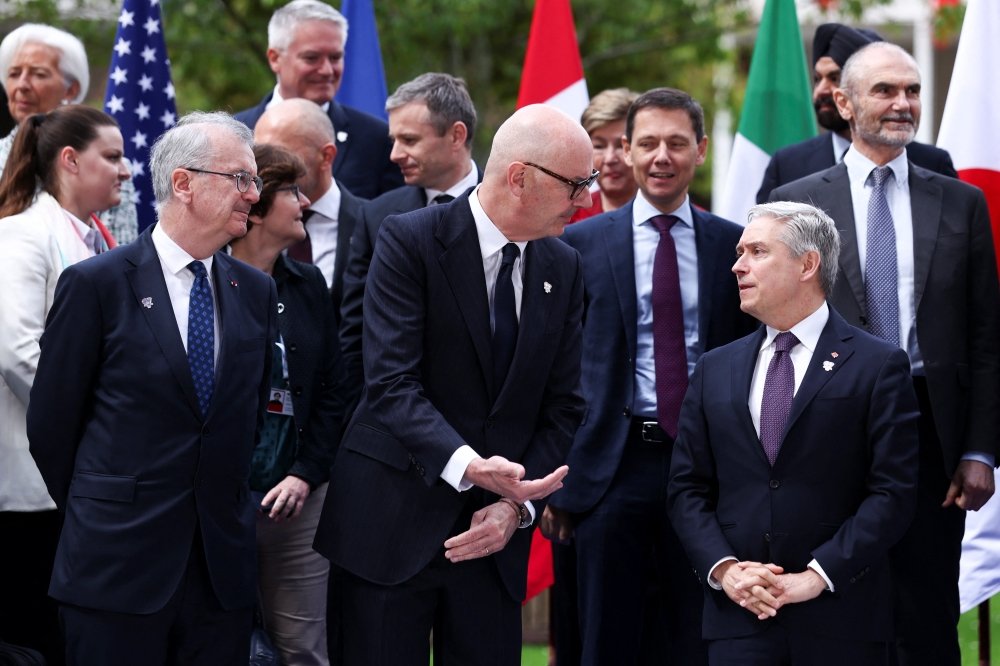
Rubio made these comments during a NATO Foreign Ministers' meeting in Brussels, where European leaders hoped that, despite the tensions created by Trump's harsh tariff policies, doubts about the U.S.'s unwavering commitment to NATO would be dispelled. Various statements and actions from the Trump administration had raised questions about NATO’s future, which has been the foundation of European security for the last 75 years.
"The United States is in NATO... the United States remains as active in NATO as before," Rubio said, referring to the doubts about the commitment as "hysteria."
Rubio further stated, "Trump is not against NATO, he is against a NATO that lacks the necessary capabilities, one that cannot meet the responsibilities that each member state is obligated to under the agreement." Trump had argued that the military alliance should spend 5% of its GDP on defense, a far higher figure than the current 2% target, and a level that no NATO country, including the U.S., has yet achieved.
Washington has directly told European countries that it will no longer be able to focus primarily on European security. European allies have spent weeks trying to understand the U.S. timeline and the extent of its reduced engagement in NATO, so they can prepare to increase their defense spending and avoid creating security gaps in Europe.
"We want to come out of here with a concept that gives us a realistic roadmap that will ensure that each member state fulfills its commitments and reaches the 5% spending target," Rubio said, adding that this would include the United States as well.
"No one expects you to achieve this in one or two years, but this roadmap needs to be realistic."
According to NATO estimates, last year, 23 out of the 32 NATO member countries met or exceeded the 2% defense spending target. Some of Europe’s largest economies, such as Italy and Spain, were behind this target, with their defense spending at 1.5% and 1.3%, respectively.
During this meeting, European ministers will likely attempt to influence Trump’s discussions on the war with Russia in Ukraine, which began after Moscow's invasion in 2022. Europeans believe that with the U.S. as Europe's last defender against Russian aggression, the relationship with Moscow and Trump's push to pressure Kyiv to end the war have severely weakened NATO’s position.