Trump Administration Decides to Expel South African Ambassador Ibrahim Rasool Over Racism Allegations
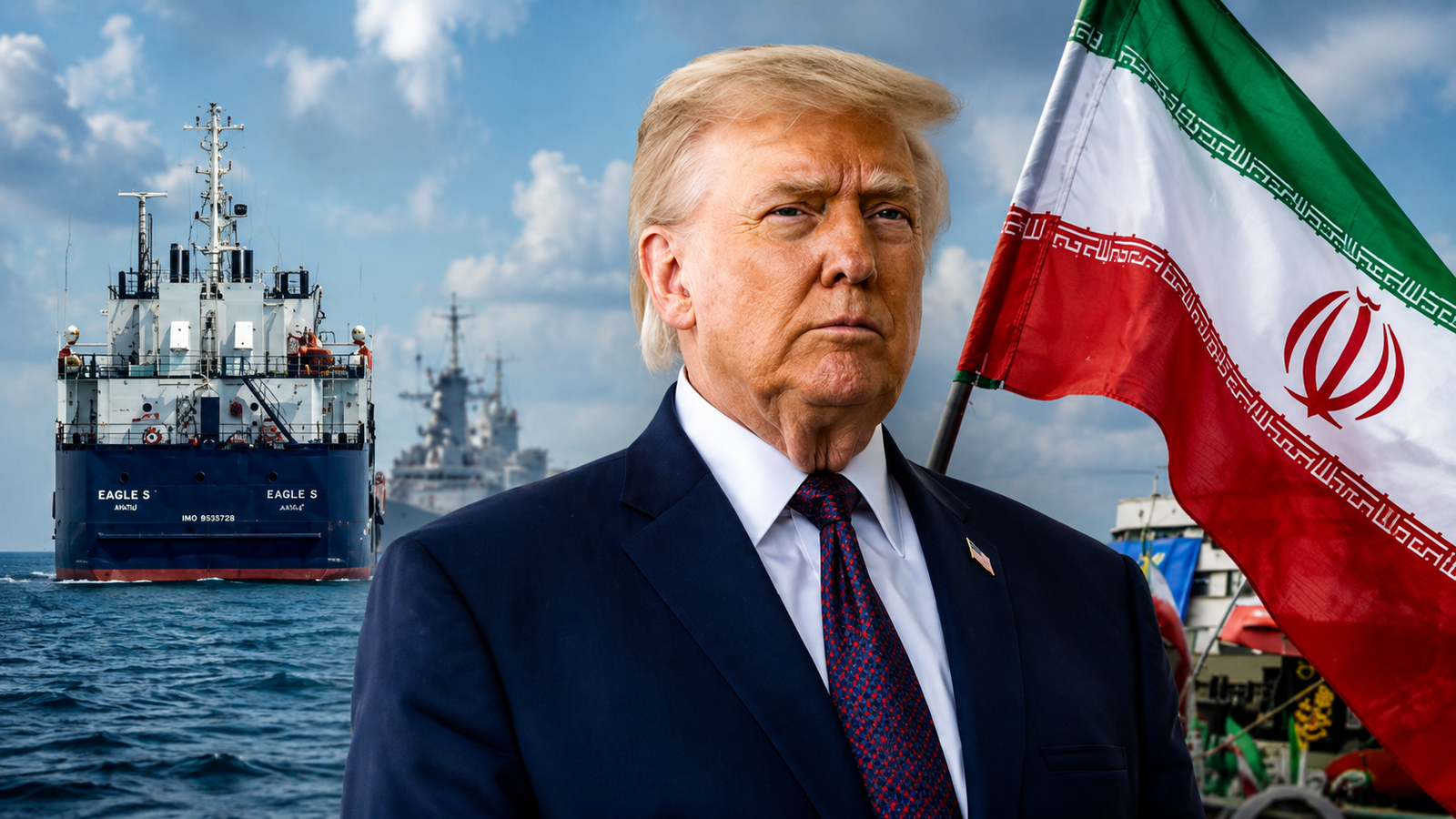
Cape Town, South Africa, March 15: The Trump administration has decided to expel South African Ambassador Ibrahim Rasool. This is the latest in a series of steps taken against the country, which has been accused of being "anti-white" and "anti-American," along with being subjected to sanctions.

Trump Administration Decides to Expel South African Ambassador Ibrahim Rasool Over Racism Allegations
Trump Administration Decides to Expel South African Ambassador Ibrahim Rasool Over Racism Allegations
Cape Town, South Africa, March 15: The Trump administration has decided to expel South African Ambassador Ibrahim Rasool. This is the latest in a series of steps taken against the country, which has been accused of being "anti-white" and "anti-American," along with being subjected to sanctions.
U.S. Secretary of State Marco Rubio posted on social media platform X (formerly Twitter), stating that Ambassador Ibrahim Rasool "is no longer welcome in our country." He referred to Rasool as a "race-baiting politician" who hates America and President Trump.
Rubio's post did not specify the exact reason for the expulsion but linked to a report from the conservative news site Breitbart. The report stated that Rasool had commented during a webinar that the "Make America Great Again" movement could be seen as a "response to a supremacist instinct."
Last month, Trump issued an executive order cutting all U.S. funding to South Africa, accusing the country's Black-led government of pursuing anti-white policies at home and supporting "bad actors" like Hamas and Iran in the international arena.
The Trump administration has also expressed concerns about South Africa's white Afrikaner farmers. Trump falsely claimed that the South African government was "forcibly seizing land" from white farmers.
South Africa's new land reform law will assist in reclaiming unused land, but it is "not a tool for confiscation or expropriation."
For more than 30 years, most of the country's prime agricultural land has been owned by white people, who make up only 7% of the population.
Although Trump offered refugee and citizenship status to Afrikaner farmers in the U.S., farmer organizations have stated that they prefer to stay in South Africa.
Trump’s Sanctions Against South Africa Over Israel-Hamas Issue
Trump's sanctions on South Africa also stemmed from the country's case at the United Nations’ top court, where it filed a lawsuit accusing Israel of genocide against Palestinians in Gaza, which greatly displeased the Trump administration.
South Africa's Response and Tensions in International Relations
The South African government expressed surprise at Trump’s sanctions and called for an effort to improve bilateral relations.
A statement from South African President Cyril Ramaphosa's office read, "We are committed to building mutually beneficial relations."
However, U.S.-South Africa relations had already been strained during the Biden administration, which accused South Africa of supporting Russia in the war in Ukraine while claiming a neutral stance.
Marco Rubio’s Criticism of South Africa’s G-20 Presidency
South Africa currently holds the presidency of the G-20 summit. However, Marco Rubio skipped the G-20 foreign ministers' meeting last month and announced he would boycott the G-20 summit in November.
Political observers suggest that this tough stance from the Trump administration may pose a significant challenge for South Africa and could further worsen relations between the two countries.