Australia's Economic Collapse, Once a Model for the World, Awaits Political Solutions
: Once at the pinnacle of the world’s ideal economies, Australia is now falling behind due to its economic downturn. During the global financial crisis of 2007-2009, when other major economies faced recessions, Australia avoided recession, capturing the world’s attention. However, today’s Australia no longer holds that position.

Australia's Economic Collapse, Once a Model for the World, Awaits Political Solutions
Australia's Economic Collapse, Once a Model for the World, Awaits Political Solutions
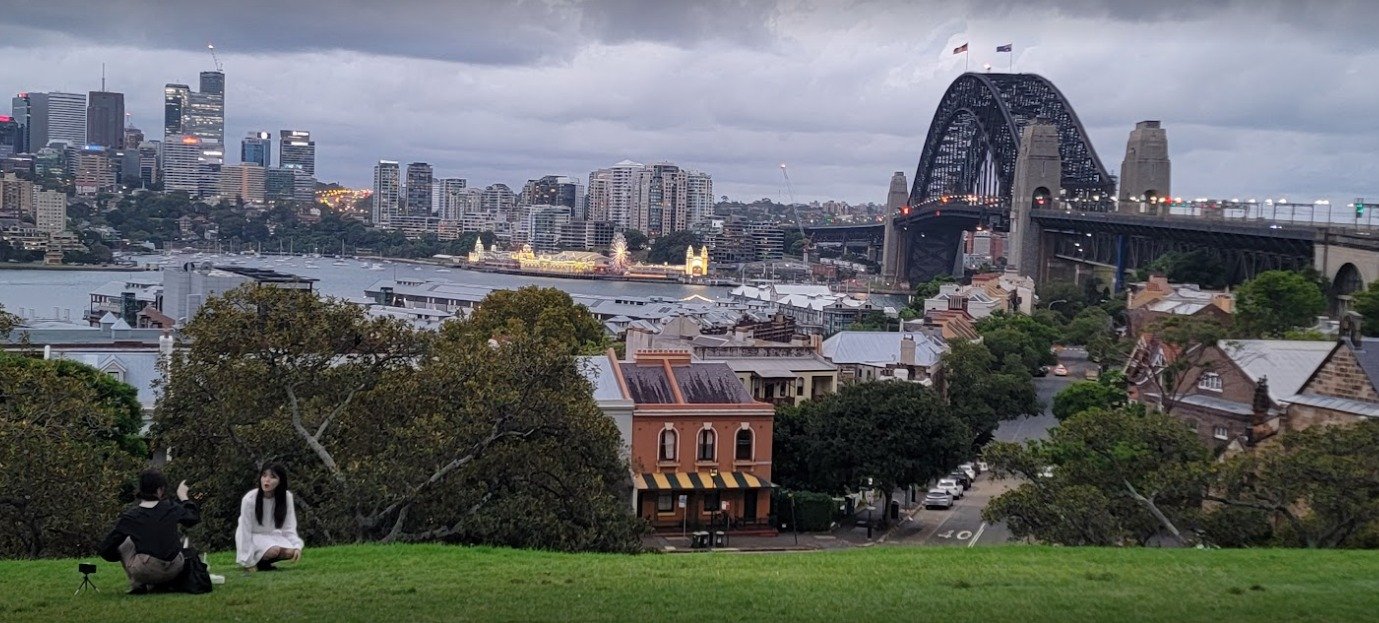
Sydney, Australia: Once at the pinnacle of the world’s ideal economies, Australia is now falling behind due to its economic downturn. During the global financial crisis of 2007-2009, when other major economies faced recessions, Australia avoided recession, capturing the world’s attention. However, today’s Australia no longer holds that position.
Australia’s economic growth is currently at its slowest since the 1990s, excluding the COVID-19 pandemic. In the first three quarters of 2024, the country’s GDP grew by only 0.8%, compared to 3.1% in the United States and 0.9% in the Eurozone.
As Australia relies on immigration for population growth, its per capita growth has been negative for seven consecutive quarters, putting the country effectively in recession.
With high inflation and stagnant wages, Australians are facing increased financial pressure as the cost of living rises. In December 2022, inflation reached 7.8%, while the average wage growth since 2019 was only 1.5%.
One significant factor contributing to Australia's sluggish economy is the high-interest rates set by the Reserve Bank of Australia (RBA). Post-pandemic, the RBA continuously raised interest rates, reaching 4.35%, which has curtailed consumer spending and slowed the economy.
Australia’s housing and rental markets are also facing a crisis. According to a report by the National Housing Finance and Investment Corporation (NHFIC), a shortage of 106,300 homes is expected by 2027.
While there is ongoing debate about the impact of immigration on Australia’s labor market, economists argue that immigration is not the cause of the country’s economic weakness but rather a buffer against the crisis. Matt Grudnoff, an economist at the Australia Institute, stated, "Our per capita standard of living has recently been declining and has been stagnant for a long time. Therefore, we need reforms to boost productivity."
The root of Australia’s current economic problems lies in the lack of a long-term vision and investment in future growth. Economist Nicki Hutley remarked, "We lack strong and intelligent discussions about tax and revenue, which are responsible for our current economic vulnerabilities."
Experts believe that to overcome this situation, Australia needs to focus on increasing productivity and diversifying investments.