

Student Residence Permit Applications Drop in Finland, Work-Based Applications Rise 13%
The number of residence permit applications submitted by international students in Finland declined significantly during the first nine months of 2026, while work-based applications increased by 13 percent, according to the Finnish Immigration Service (Migri).

CSB News USA
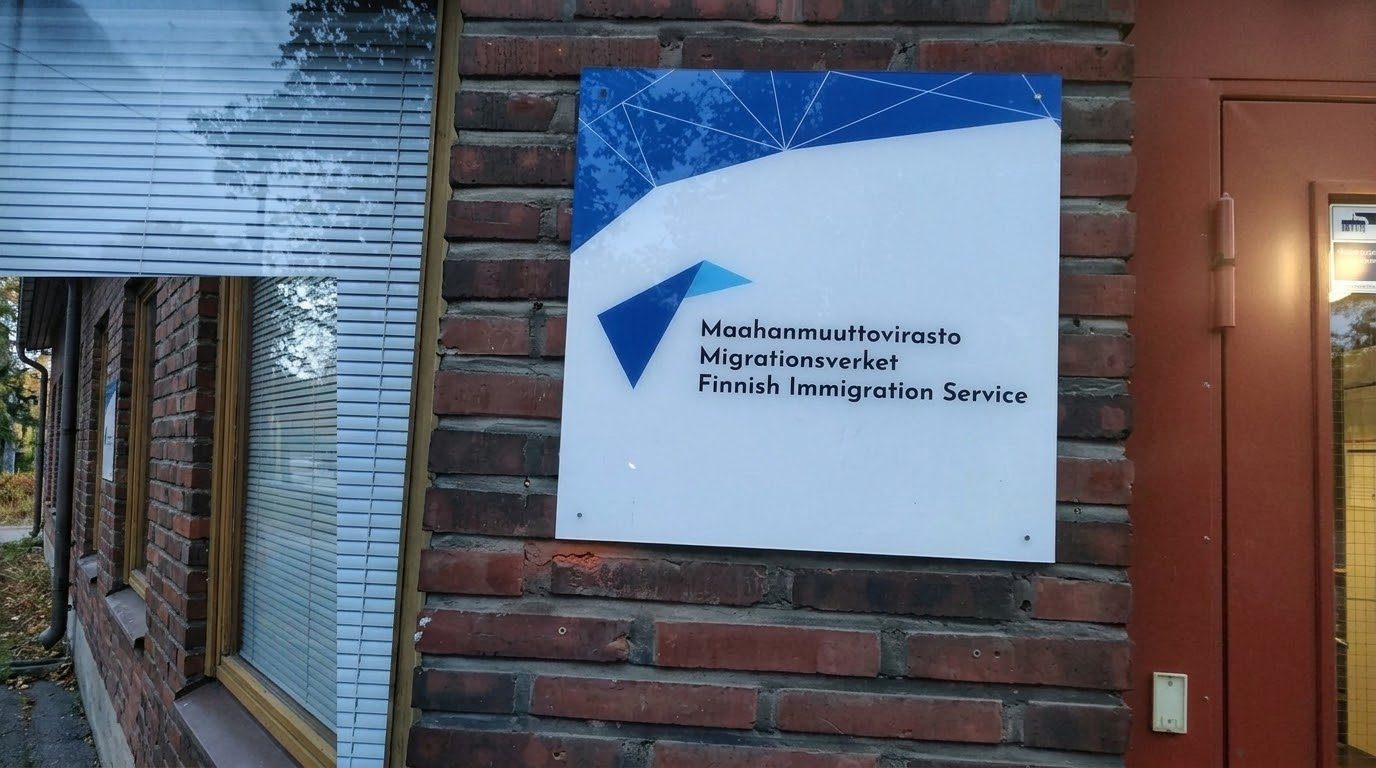
In a press release issued on Friday, Migri said a total of 7,671 first-time residence permit applications were submitted by students between January and September, representing a decline of around one-third compared with the same period last year.
South Asia has been one of the major source regions for international students moving to Finland in recent years. However, rising study costs and a weak Finnish labour market are expected to reduce the influx of students from outside the European Union (EU) and European Economic Area (EEA), at least in the short term.
In addition, Finland's four-party coalition government has introduced several legislative changes aimed at tightening immigration rules. The changes, scheduled to take effect in 2027, include stricter requirements concerning family reunification for students and sufficient language proficiency.
“We currently estimate that no more than 10,000 student residence permit applications will be submitted this year. The number of applications is expected to remain at a similar level next year,” said Johannes Hirvelä, Director of Information Services at Migri.
Meanwhile, Finland received 10,048 first-time applications for work-based residence permits between January and September, marking a 13 percent increase compared with the same period last year.
Migri estimates that the number of first-time work-based residence permit applications will reach between 11,000 and 13,000 this year and between 12,000 and 14,000 next year.
Most people moving to Finland for employment come from Asia. Citizens of India submitted the highest number of first-time work-based residence permit applications, followed by nationals of Vietnam, China, the Philippines and Thailand.
“Continued economic uncertainty makes it challenging to forecast work-based immigration. Despite cyclical economic fluctuations, the aging of Finland’s population and mismatches in the labour market create a demand for foreign labour,” Hirvelä said.
Applications from specialist workers recorded particularly strong growth, increasing by 54 percent compared with the same period last year. A total of 1,367 applications were submitted in this category during the first nine months of 2026.
Overall, Migri received 44,242 applications for first residence permits, asylum and EU citizen registrations between January and September. During the same period, the authority received 42,993 applications for extended residence permits and 14,251 applications for permanent residence permits.
Family ties remained the largest category of first-time residence permit applications, with 12,851 applications submitted. However, this represented a 32 percent decrease compared with the corresponding period last year.
Finland also received 1,296 first-time asylum applications during the January-September period, down 14 percent from the same period last year.
Nationals of Afghanistan, Somalia and Iran submitted the highest numbers of initial asylum applications.
Reporter
CSB News USA
Related News

Finland’s Government Survives No-Confidence Motion Over Health and Social Care Cuts

Trump Rejects ‘Fake Deal’ With Iran, Says Tehran Must Accept U.S. Terms

Trump Says Cutting US Nuclear Weapons Is Difficult While Other Countries Keep Theirs

Comments 0
Log in or create a free account to join the conversation. You can comment anonymously.
No comments yet. Be the first.