

Iran Warns Strait of Hormuz Will Never Return to Pre-War Status Amid US Peace Talks
Iran has warned that the Strait of Hormuz will never return to its pre-war status following the ongoing conflict with the United States and Israel. Parliament Speaker Mohammad Bagher Ghalibaf says Iran and Oman have reached an understanding on overseeing the strategic waterway as Tehran awaits Washington's response to its seven conditions for ending the war.

CSB News USA
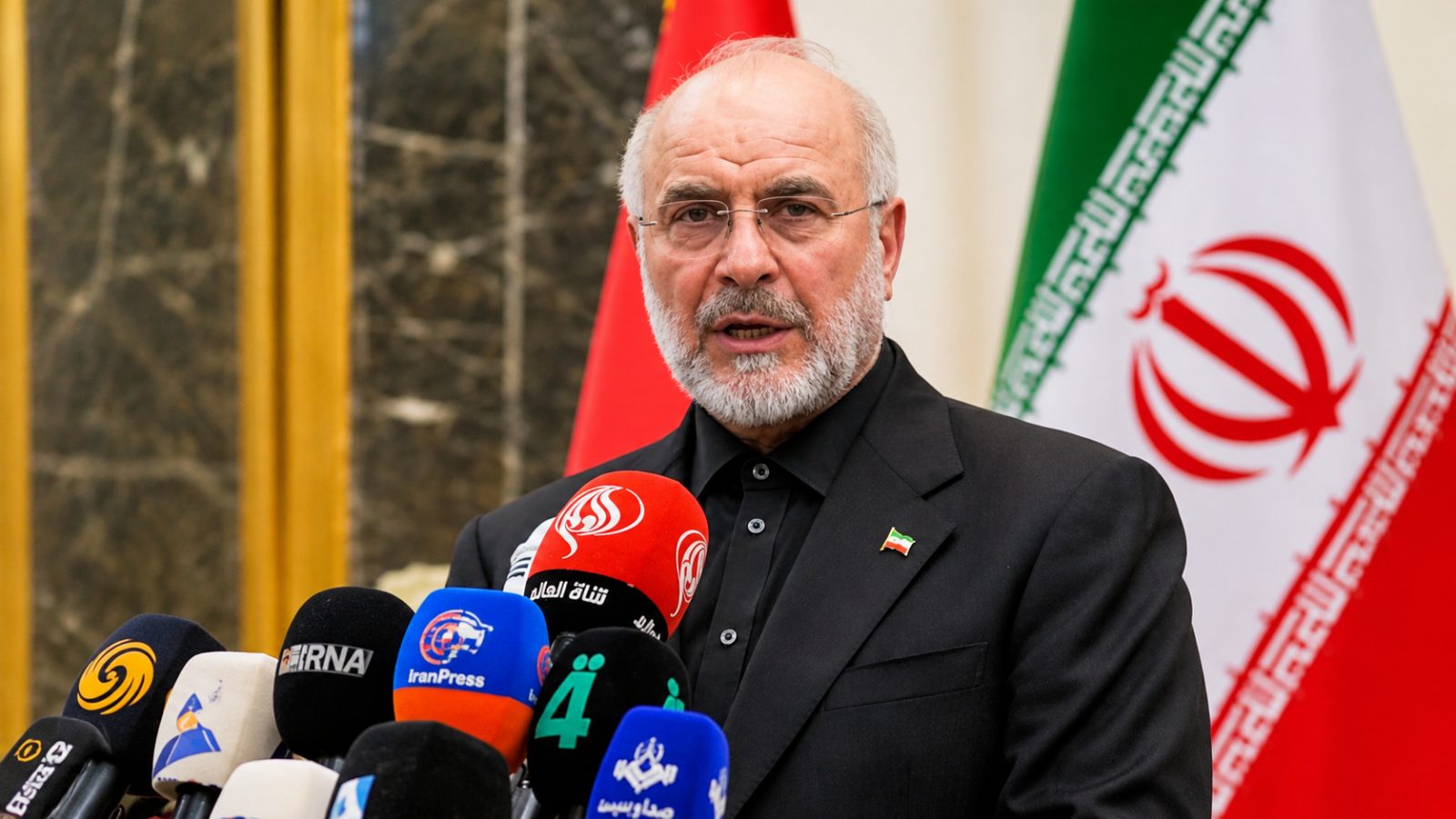
Iran has issued a major warning over the future of the Strait of Hormuz, saying the strategically important waterway will never return to the way it operated before the ongoing conflict involving the United States and Israel.
Iranian Parliament Speaker and chief negotiator Mohammad Bagher Ghalibaf made the statement during an interview published on November 11.
His remarks come as diplomatic efforts continue to find a possible solution to the eight-month conflict, with Tehran waiting for an official response from Washington to its proposed conditions for ending the war.
IRAN AND OMAN DISCUSS FUTURE OF STRAIT
Ghalibaf said Iran and Oman had reached an understanding regarding the future management and oversight of the Strait of Hormuz.
According to him, the proposed arrangement is part of Tehran's seven-point framework for ending the conflict.
He argued that the two countries bordering the waterway should have a central role in determining its future regulations.
Ghalibaf also challenged the applicability of international maritime rules to the strait, although his position is disputed under the international legal framework governing navigation through major international waterways.
IRAN SETS SEVEN CONDITIONS FOR PEACE TALKS
The Iranian parliament speaker said Tehran had communicated its conditions to Washington through Qatar, which has been serving as a diplomatic mediator.
Among Iran's demands are the removal of the US naval blockade and economic sanctions, the release of frozen Iranian financial assets, an end to fighting across all fronts and an official declaration that the war has ended.
Ghalibaf said Iran was now waiting for an official response from the American government.
He suggested that an agreement remained possible if Washington accepted the previously discussed arrangements without introducing additional demands.
US-IRAN RELATIONS REMAIN TENSE
Despite diplomatic communication, significant disagreements remain between Washington and Tehran.
Ghalibaf identified a lack of trust between the two countries as one of the biggest obstacles to reaching an agreement.
He also warned that renewed American military action could create further political and diplomatic complications.
Meanwhile, Iran has indicated that it wants a lasting arrangement rather than an extended period of uncertainty between war and peace.
WHY THE STRAIT OF HORMUZ MATTERS
The Strait of Hormuz is one of the world's most important maritime energy routes, connecting the Persian Gulf with the Gulf of Oman and the Arabian Sea.
A significant share of global oil and liquefied natural gas shipments normally passes through this narrow waterway.
Any prolonged disruption could affect international energy supplies, shipping costs and fuel prices.
Countries across Asia, Europe and other regions closely monitor developments in the area because of their dependence on energy transported through the route.
WHAT HAPPENS NEXT?
The immediate focus is now on Washington's response to Iran's proposed conditions.
Qatar's diplomatic role could remain important in facilitating further communication between the two sides.
However, no final peace agreement has been announced.
Iran's latest statement signals that the future of the Strait of Hormuz could become one of the most important issues in any potential agreement to end the conflict.
The coming diplomatic developments will determine whether the two countries can reach an understanding and restore greater stability to international shipping.
Reporter
CSB News USA
Related News
Trump Administration Faces Major Political Challenges After Democrats' Historic Midterm Victory
Trump’s Judicial Agenda Faces Republican Revolt as Senators Challenge His Controversial Nominees
White House Warns Democrats as They Prepare Investigations Into Trump Administration

Comments 0
Log in or create a free account to join the conversation. You can comment anonymously.
No comments yet. Be the first.