“When Women Lead, the World Moves Forward”: Khalilur Rahman Calls for Women’s Leadership at the Centre of Decision-Making
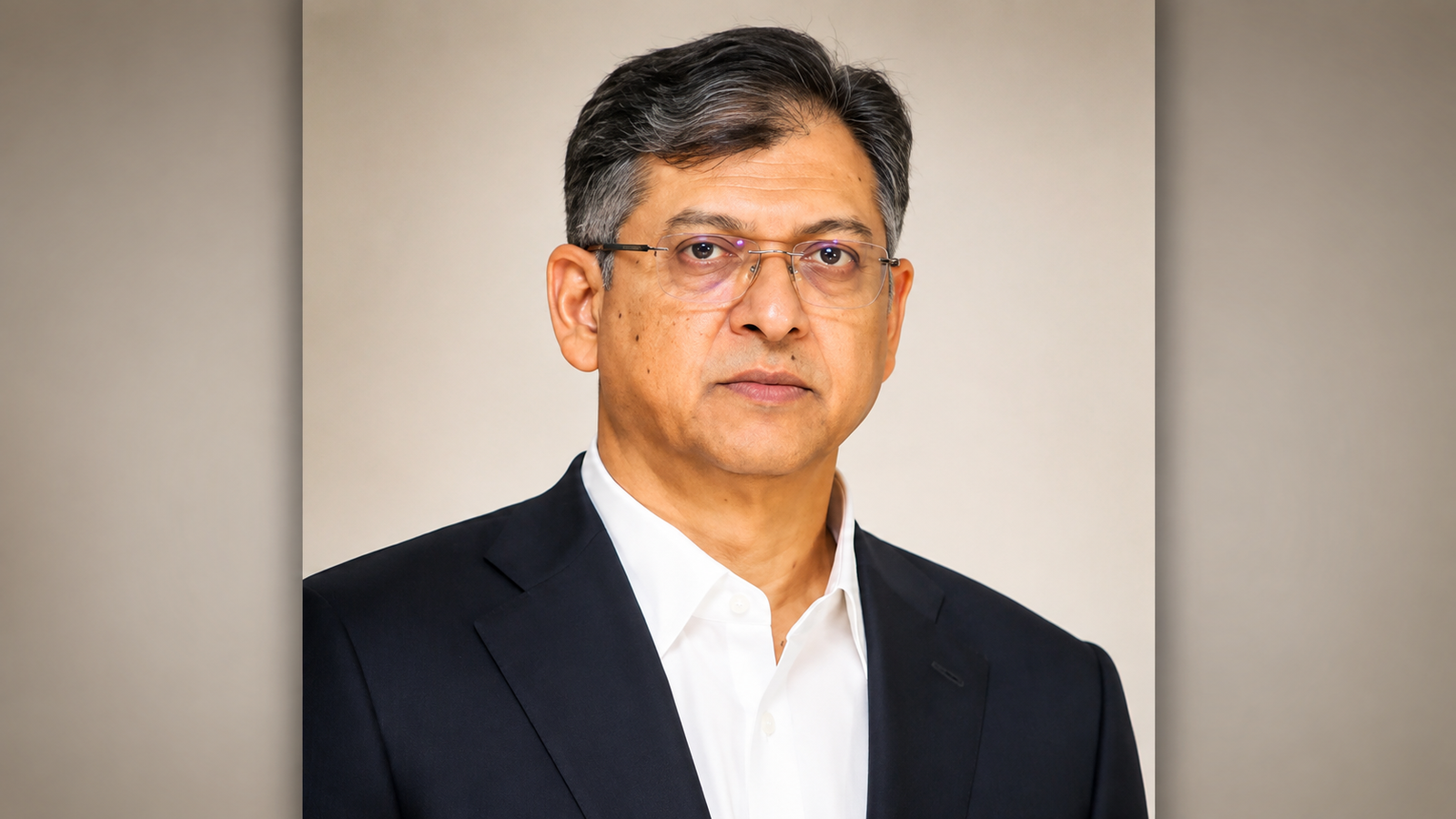
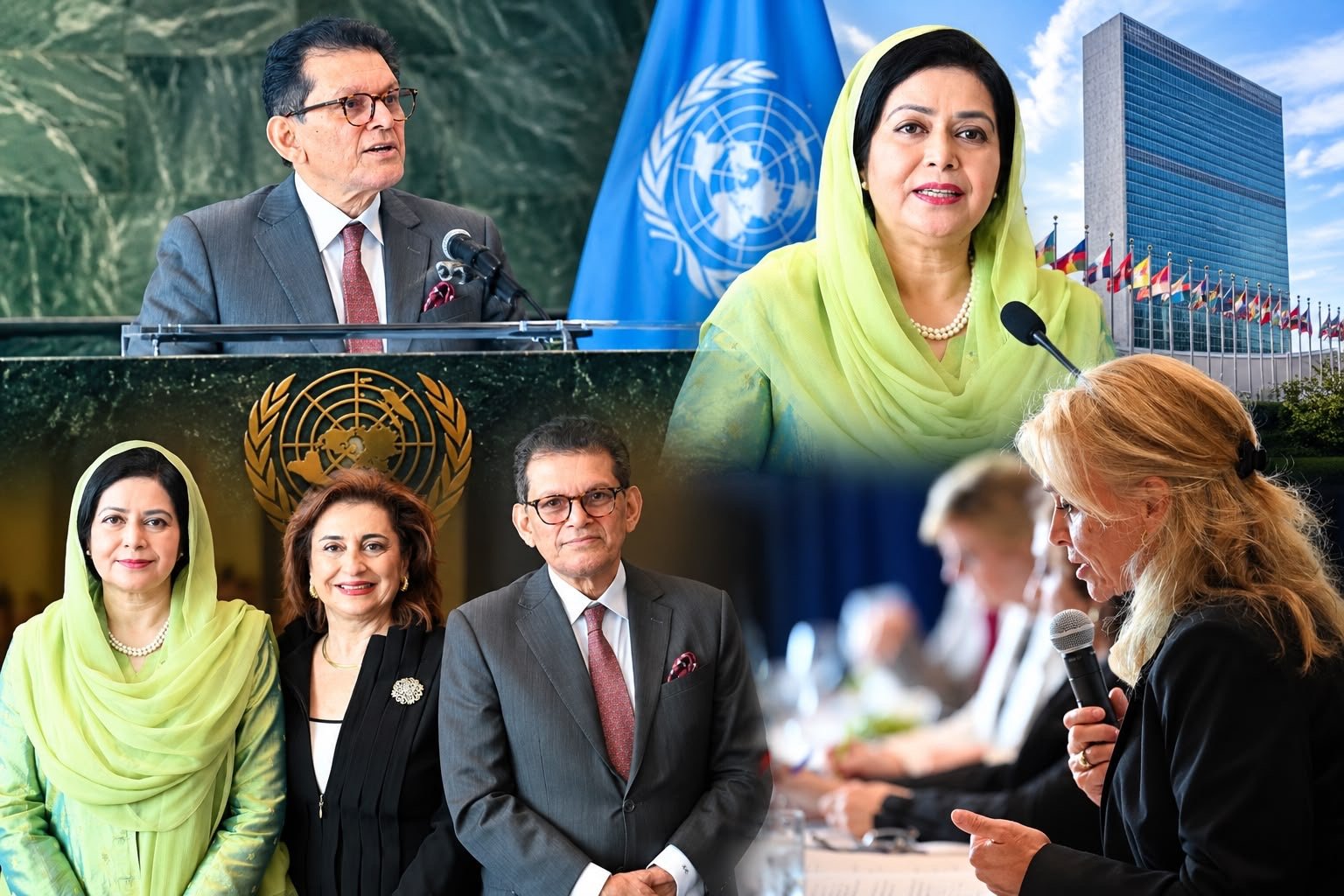
United Nations General Assembly President and Bangladesh Foreign Minister Dr Khalilur Rahman has called for women’s leadership to be brought from the margins to the centre of global decision-making. Speaking at the UNGA Platform of Women Leaders during the 81st session of the General Assembly, he highlighted the continuing gap between international commitments on gender equality and the reality on the ground. His remarks came as Bangladesh’s Prime Minister Tarique Rahman and his wife, Dr Zubaida Rahman, are attending the high-level UNGA programme in New York.

“When Women Lead, the World Moves Forward”: Khalilur Rahman Calls for Women’s Leadership at the Centre of Decision-Making
Khalilur Rahman highlights global leadership gap
“When women lead, the world moves forward,” Dr Khalilur Rahman said while highlighting the continuing global disparity in women’s participation in leadership and decision-making.
According to his remarks, six out of seven countries are still led by men, while women accounted for only 5 percent of peace negotiators in 2025.
The figures, he said, demonstrate the gap between commitments made at the international level and the actual representation of women in positions where major political and security decisions are taken.
The UNGA President stressed that women’s leadership should not remain a peripheral issue. Instead, women need to be placed at the centre of decision-making processes at national and international levels.
Bangladesh leadership at the 81st UN General Assembly
The issue of women’s leadership has particular relevance during Bangladesh’s participation in the 81st UN General Assembly.
Prime Minister Tarique Rahman is leading Bangladesh’s delegation to the UNGA in New York, accompanied by his wife, Dr Zubaida Rahman. The couple attended the opening programme of the General Assembly and a welcome breakfast hosted by UN Secretary-General António Guterres for world leaders and their spouses.
Bangladesh is also playing a significant institutional role at this year’s General Assembly. Foreign Minister Dr Khalilur Rahman is serving as President of the 81st session of the UN General Assembly while continuing his responsibilities as Bangladesh’s Foreign Minister.
From commitments to reality
Women’s political participation and leadership have remained central themes in the international gender-equality agenda for decades.
The United Nations has repeatedly emphasized the importance of women’s full and effective participation and equal opportunities for leadership in political, economic and public life. The UN’s Women, Peace and Security agenda has also highlighted the importance of women’s meaningful participation in conflict prevention, peace negotiations and peacebuilding.
Yet women remain significantly underrepresented in formal peace processes. Historical UN discussions and data have repeatedly shown that women have occupied only a small share of mediator and negotiator roles in major peace processes.
The continuing disparity means that the challenge is no longer simply about making international commitments. The larger question is how those commitments can be translated into meaningful representation and influence.
Women at the decision-making table
The discussion around women’s leadership has increasingly moved beyond numerical representation.
The key issue is whether women have a meaningful voice in decisions involving peace, security, development, governance and economic policy.
UN discussions on women, peace and security have emphasized that women can play important roles in conflict prevention, mediation, peacebuilding and the implementation of peace agreements. The UN Security Council’s long-standing framework on Women, Peace and Security has similarly called for greater participation of women in peace and security processes.
Against this backdrop, Dr Khalilur Rahman’s message at the UNGA Platform of Women Leaders places the emphasis on moving from international commitments to practical participation.
His central message was direct: women’s leadership should move from the margins to the centre of decision-making.
For Bangladesh, the message comes during a UNGA session in which the country is represented at the highest level by Prime Minister Tarique Rahman, while Dr Khalilur Rahman is presiding over the General Assembly and Dr Zubaida Rahman is accompanying the Prime Minister at key UN engagements in New York.