When Politics Overtakes Due Process — My Year of Professional Exile at WHO: Saima Wazed
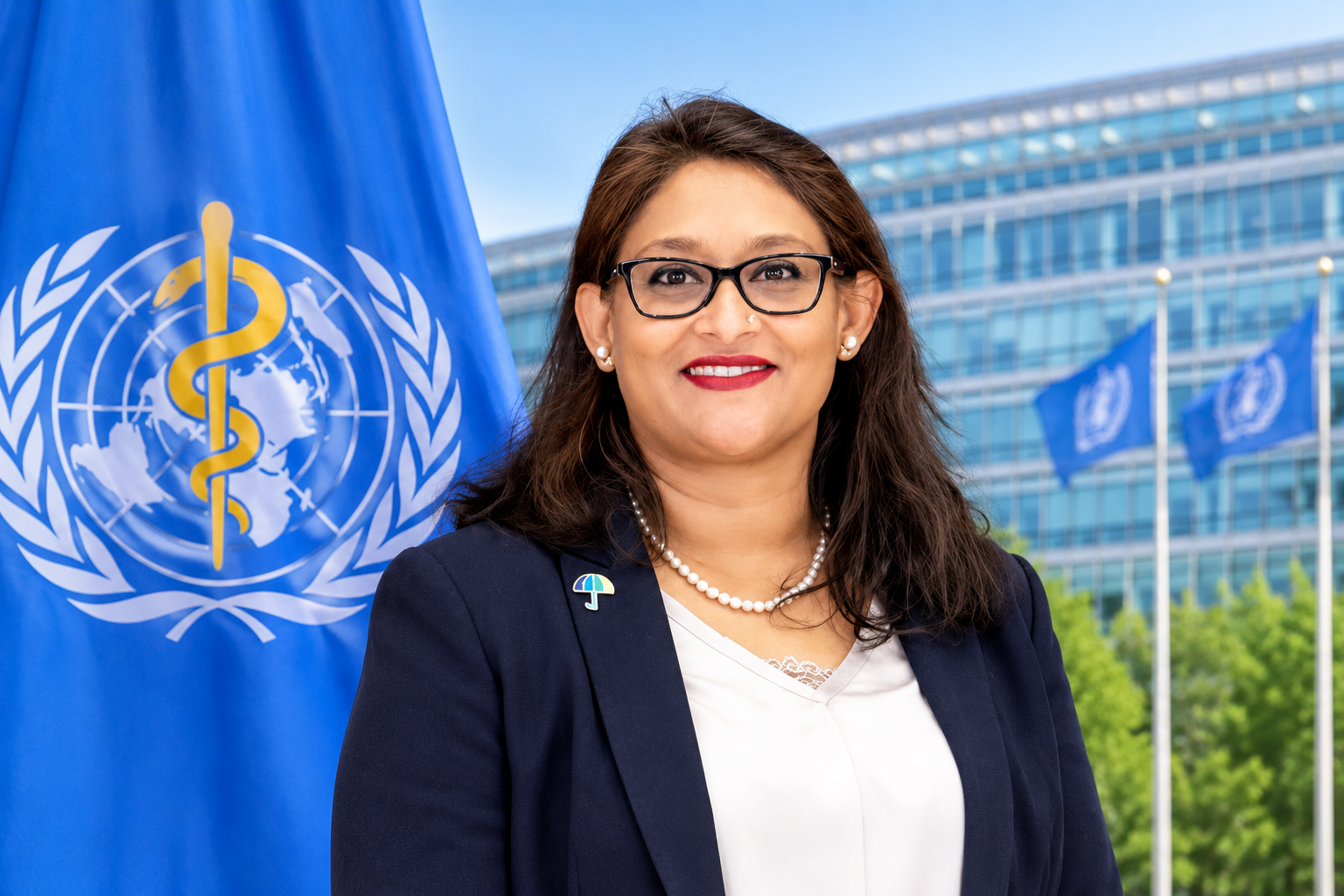
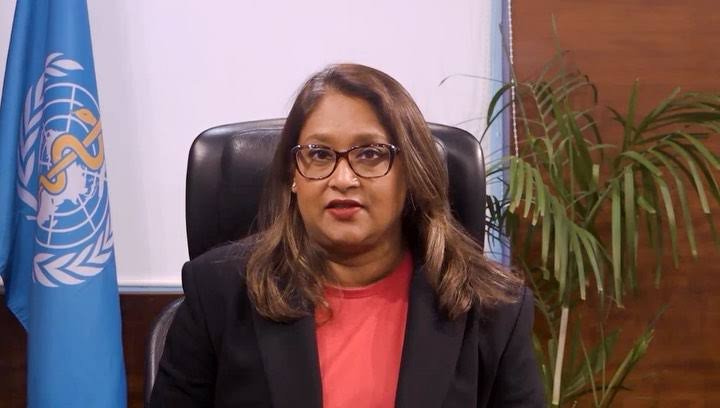
I have resigned as Regional Director of the World Health Organization’s South-East Asia Region. I want to explain the circumstances that led to my resignation and raise questions about political pressure and the failure to uphold due process
When Politics Overtakes Due Process — My Year of Professional Exile at WHO: Saima Wazed
By Saima Wazed
I have resigned as Regional Director of the World Health Organization’s South-East Asia Region. I want to explain the circumstances that led to my resignation and raise questions about political pressure and the failure to uphold due process.
Multilateral organisations like the World Health Organization are, by their nature, political institutions. Every senior leader who serves within one is therefore vulnerable to political currents beyond their control. I understood this when I accepted the honour of serving as WHO Regional Director for South-East Asia. What I did not expect was to see due process itself become a casualty of those political currents in an institution I have spent much of my professional life supporting.
Let me be clear at the outset: I hold WHO in enormous regard. Long before I held any position within the organisation, I served as an external expert, working on autism and neurodevelopmental disorders, sitting on WHO’s Expert Advisory Panel on Mental Health, and helping shape policies that the organisation champions today.
I believe in WHO’s mission and in the procedural safeguards it promises its staff. My grievance is not with WHO as an institution. It is with the way its current Director-General, Dr Tedros Adhanom Ghebreyesus, chose to handle what I believe was a politically motivated campaign against me, initiated by the interim authorities that came to power in Bangladesh.
In July 2025, for what was described as the welfare of the organisation, I agreed to go on leave. I did so trusting that the process would be fair and that neutrality would prevail. Instead, what followed was, in my view, a politically driven campaign against me.
The allegations originated with a case pursued by Bangladesh’s Anti-Corruption Commission concerning a plot of land I purchased in 2021, several years before I joined WHO. I acquired the land through lawful means and was, in fact, entitled to it under the Father of the Nation’s Family Members Security Act of 2009.
Nevertheless, I was tried in absentia on the allegation that I had absconded. The authorities knew this was false because, at the time, I was openly serving as WHO’s Regional Director in New Delhi. I was never lawfully notified of the proceedings.
An independent legal counsel who subsequently reviewed the case in detail concluded that the proceedings were unlawful both procedurally and substantively. In my view, the case was fundamentally driven by political hostility toward my mother, Sheikh Hasina, and consequently toward me.
I raised these concerns with WHO. I also raised a separate issue involving communications I had discovered between Bangladesh’s interim authorities and Dr Tedros that did not follow what I understood to be the normal diplomatic channels. I also raised concerns about the leaking of confidential materials from the Director-General’s own office.
I requested an independent investigation into both matters. For a considerable period, I received no response. When an answer eventually came, my request was rejected.
Changing my existing leave arrangement only 10 days after I had formally requested an investigation into the organisation’s administrative head could reasonably be interpreted as retaliatory and as an attempt to further intimidate and harass me.
The timing, the absence of new evidence and what I regarded as a lack of sufficient justification for the change all contributed to my concern that I was being placed under sustained financial pressure, subjected to reputational attacks and exposed to malicious allegations while having little opportunity to publicly defend myself.
I cooperated fully with every stage of the subsequent investigation, including an inquiry into an allegation that I had committed financial fraud in connection with a trip to China.
That trip never took place. I had fallen ill.
In early August 2026, WHO’s Internal Oversight Services informed me directly that the allegation was unsubstantiated and that the case had been closed.
By then, I had been without pay for almost a year and had been prevented from participating in my profession.
There is a comparison raised by my legal counsel that I believe deserves to be stated plainly. Dr Tedros himself faced comparable accusations concerning Ethiopia during his tenure. He was not placed on leave, and certainly was not placed on unpaid leave.
I do not make this comparison simply to assign blame. I make it because I believe due process must mean the same thing for everyone, regardless of who occupies the Director-General’s office.
I do not use the word “collusion” lightly, and I will not use it here. What I will say is that I have seen evidence suggesting that Dr Tedros communicated with Bangladesh’s interim authorities outside the channels one would normally expect, at a time when those same authorities were pursuing action against me.
I have asked WHO to investigate this matter. To date, that request, like my earlier requests, has not progressed.
I am my mother’s daughter, and I am proud of that. WHO’s own vetting and nomination procedures for Regional Directors were followed when I was selected.
Senior positions in international organisations are frequently filled by individuals who have political or public backgrounds. To suggest that a person’s family or political heritage should disqualify them from serving, rather than assessing the merits of their professional record, is not accountability. In my view, it is prejudice presented as caution.
After nearly a year without income, being prevented from performing the work I had spent my career building toward and unable to accept another position, I concluded that there was no meaningful path left for me within WHO.
I resigned.
I did not resign because I believed I had done anything wrong, nor because the allegations against me had survived scrutiny. I resigned because I had been cleared, the case had been closed, and WHO’s leadership offered me nothing beyond that closure—no explanation, no accountability for how I had been treated and no indication that the retaliation I experienced would ever be examined.
I still believe in WHO’s mission. I still believe that most of the people who work there do so with integrity and a genuine sense of purpose.
But an organisation that asks the world to trust its judgement on matters of health and safety must also be capable of applying its own rules fairly and consistently to its leadership.
My experience over the past year and a half suggests that, for now, WHO has fallen short of that standard.
For the sake of everyone who continues to work there in good faith, I hope the organisation finds its way back to those principles.
For my part, I now hope to put an end to further malicious rumours, restore my professional credibility and return to the work I value—serving people in need.
Saima Wazed previously chaired the National Advisory Committee on Neurodevelopmental Disabilities for the Government of Bangladesh and served as an expert, adviser and Regional Director for the WHO South-East Asia Region. The views expressed above are personal and solely those of the author; they do not necessarily reflect the views of Firstpost.