Crooks’ Digital Trail May Offer New Clues in Trump Assassination Attempt
Newly released FBI documents have shed further light on the digital footprint of Thomas Matthew Crooks, the gunman who attempted to assassinate then-presidential candidate Donald Trump at a campaign rally in Pennsylvania in July 2024

Crooks’ Digital Trail May Offer New Clues in Trump Assassination Attempt
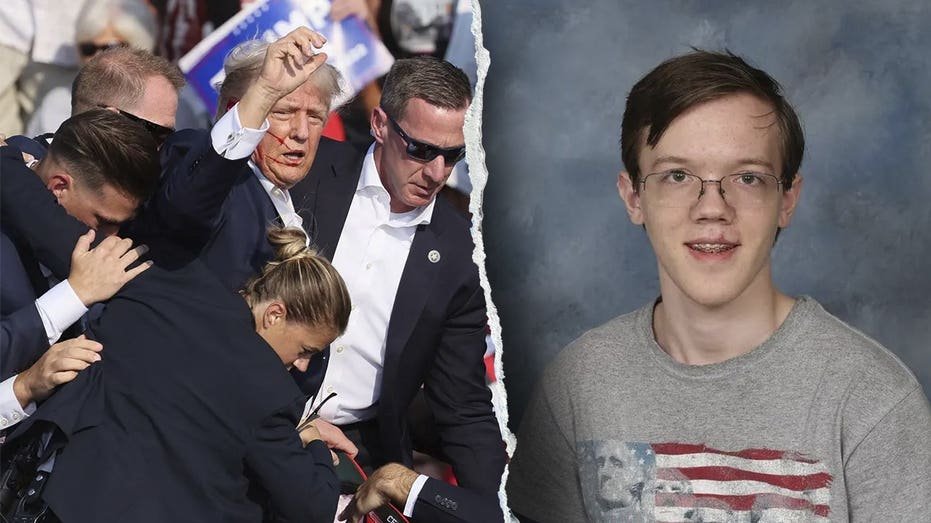
Newly released FBI documents have shed further light on the digital footprint of Thomas Matthew Crooks, the gunman who attempted to assassinate then-presidential candidate Donald Trump at a campaign rally in Pennsylvania in July 2024.
The documents, turned over to the U.S. Senate, reveal that investigators identified a Snapchat account associated with Crooks, along with accounts on Gmail, Amazon and Mailfence, an encrypted email service. The newly disclosed information could provide investigators with additional material to examine Crooks’ activities, communications and preparations before the attack.
According to the FBI documents, the Snapchat account was registered under the username “tom_crooks19.” Investigators also located an Amazon account linked to Crooks and identified his use of a Mailfence account. The documents show that Crooks logged into the Mailfence account multiple times between April 15 and July 8, 2024—just days before the July 13 shooting.
Crooks, a 20-year-old resident of Bethel Park, Pennsylvania, opened fire from a rooftop during Trump’s campaign rally in Butler, Pennsylvania. One person was killed and two others were seriously wounded. Trump was grazed by a bullet before Secret Service agents shot and killed Crooks.
The discovery of the Snapchat account has attracted particular attention because of the possibility that digital evidence could still be recovered.
Retired FBI Supervisory Special Agent Jason Pack told Fox News Digital that the account could potentially contain a substantial amount of evidence. He said disappearing Snapchat messages and images are not necessarily beyond forensic recovery, noting that investigators have previously recovered significant information from the platform while executing search warrants.
Pack cautioned, however, that some information from Crooks’ account may no longer be recoverable. He nevertheless suggested that investigators could still find useful material.
The former FBI agent also pointed to Crooks’ apparent efforts to conceal aspects of his activities. According to Pack, the use of aliases and other measures to avoid public identification could indicate that Crooks was similarly cautious about his online presence and digital footprint.
That makes the newly identified accounts potentially relevant to a broader examination of Crooks’ movements and activities in the months leading up to the attack. Investigators could seek to establish when and how he used the accounts, what information may remain available and whether the digital records provide any additional insight into his preparations.
At the same time, FBI Director Kash Patel told the Senate Oversight Committee on Tuesday that investigators had found no evidence that Crooks was connected to anyone else in carrying out the attack.
Patel testified that the FBI had found no evidence Crooks was communicating with anyone other than his parents, with whom he lived.
The newly disclosed digital records therefore add another layer to the continuing investigation, while the central questions surrounding Crooks’ motives, preparations and possible contacts remain dependent on what investigators can establish from the available evidence.