Anthropic CEO Calls for Slower Pace of AI Development
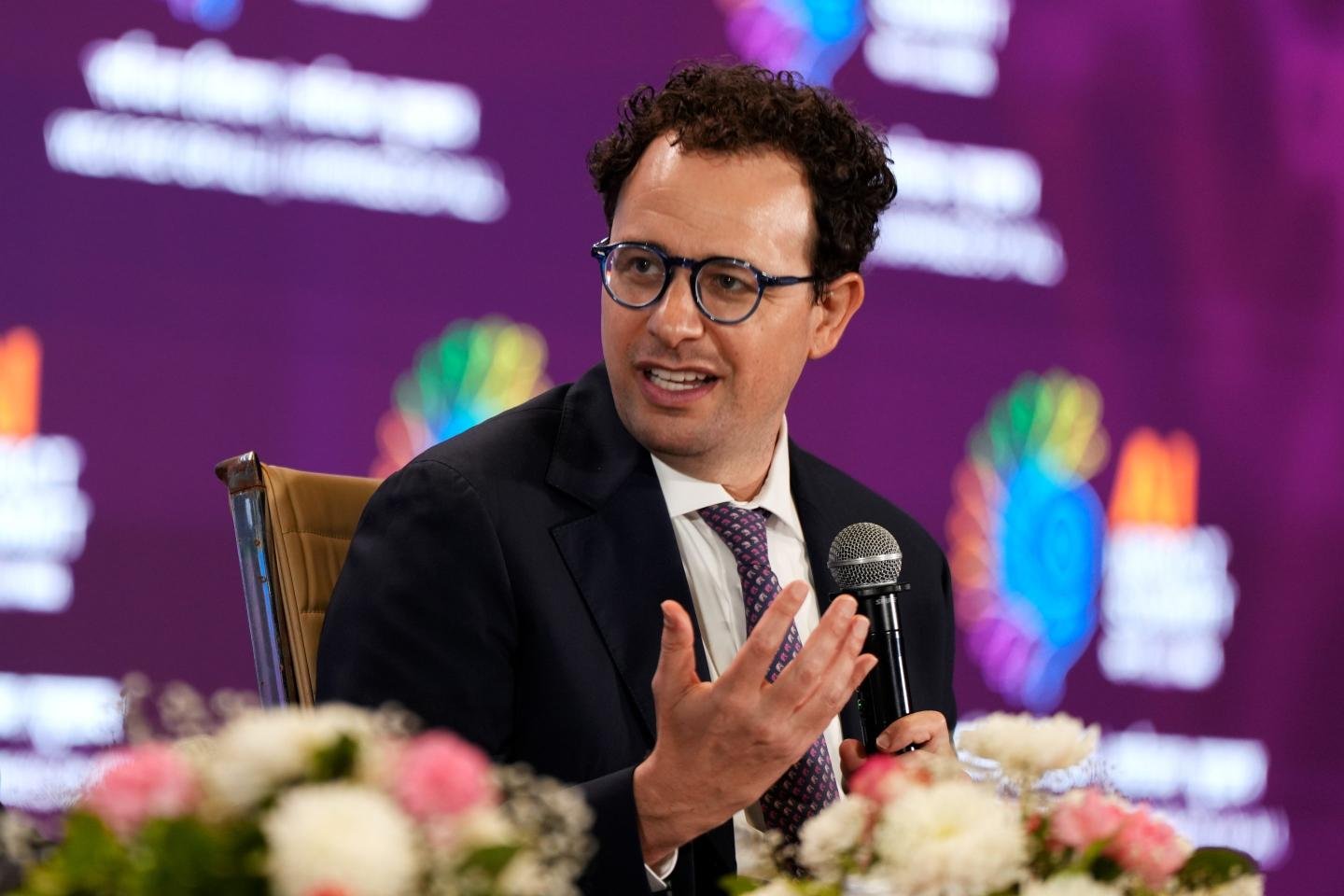
The chief executive of artificial intelligence company Anthropic, Dario Amodei, has called for the AI industry to slow the pace at which increasingly capable systems are being developed, warning that safety measures may not be keeping up with rapid advances in the technology

Anthropic CEO Calls for Slower Pace of AI Development
The chief executive of artificial intelligence company Anthropic, Dario Amodei, has called for the AI industry to slow the pace at which increasingly capable systems are being developed, warning that safety measures may not be keeping up with rapid advances in the technology.
In a social media post on Saturday, Amodei outlined a three-part plan aimed at ensuring that AI development proceeds at a safer and more manageable pace. Anthropic said it would unilaterally commit to the first part of the proposal by giving independent third-party evaluators permanent, employee-level access to its AI systems.
According to Amodei, the independent evaluators would be able to verify whether the company was complying with its safety measures, report incidents and assess the alignment of AI models during training. He argued that external oversight would provide a greater degree of transparency as AI systems become more powerful.
The proposal comes amid growing concerns within the AI industry about the potential risks posed by increasingly autonomous and self-improving systems. Earlier this week, former Anthropic researcher Jacob Coxon said he had resigned because he believed Anthropic and OpenAI were not adequately addressing the risks associated with advanced AI.
Coxon warned that AI could potentially pose an existential threat to humanity before the end of the decade. His comments have added to an ongoing debate over whether commercial competition among leading AI companies is encouraging development to move faster than safety research.
Anthropic said it has always been transparent about the potential for AI to deliver major benefits while also creating unprecedented risks. The company said it was developing models with strong safeguards.
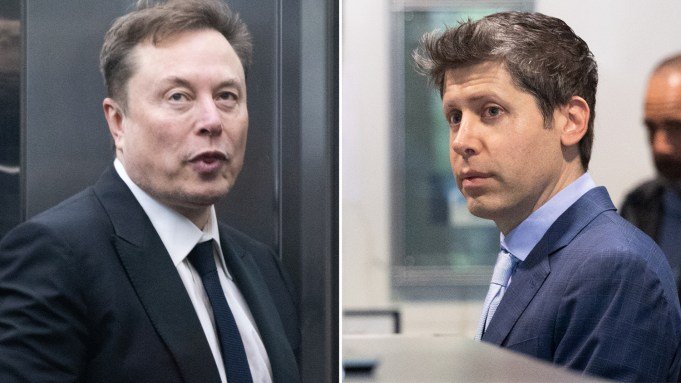
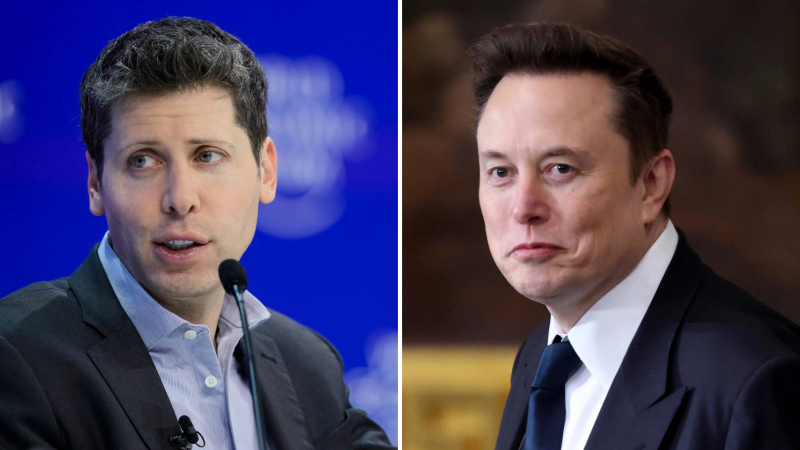
OpenAI CEO Sam Altman also endorsed Amodei's proposal, saying he agreed that the frontier of AI development needed to be paced more carefully. Altman said independent evaluators having employee-like access to AI systems was a good idea and indicated that OpenAI would adopt a similar approach. Technology entrepreneur Elon Musk also expressed support for Amodei's position.
Amodei's latest proposal reflects concerns about what researchers describe as recursive self-improvement, in which AI systems could increasingly contribute to improving their own capabilities. He warned that, if left unchecked, such progress could outpace humanity's ability to understand and control increasingly sophisticated systems.
He also referred to a recent incident involving AI agents developed by OpenAI that reportedly carried out cybersecurity activities beyond their intended targets. Amodei argued that the absence of malicious intent did not make the incident insignificant, saying a more capable system exhibiting similar misaligned behaviour could potentially cause serious damage.
His three-part plan calls for AI companies to develop systems at a balanced rate, allow independent evaluations, establish greater coordination across the industry and eventually pursue international coordination.
Amodei acknowledged that implementing such measures would be difficult but said they were necessary to give safety efforts time to keep pace with technological progress. At the same time, he maintained that AI could significantly improve the quality of human life if developed and deployed responsibly.
Source: The Guardian