FEDERAL JURY REJECTS ELON MUSK’S $150 BILLION LAWSUIT AGAINST OPENAI
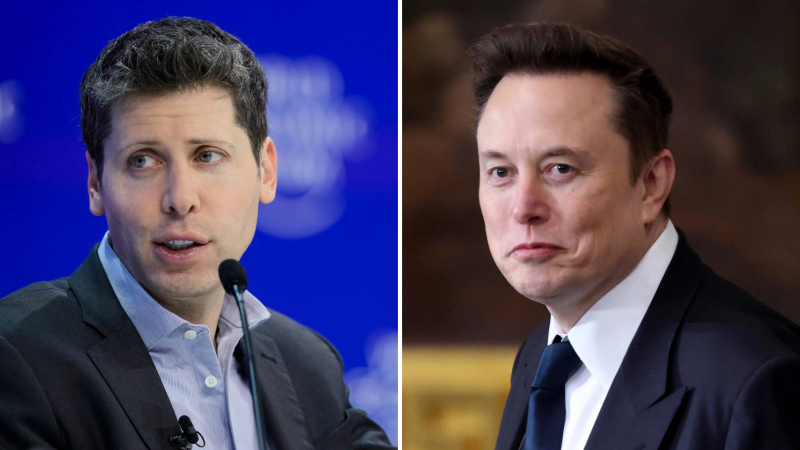
In a major legal showdown that has gripped Silicon Valley, a federal jury on Monday decisively rejected Elon Musk’s $150 billion lawsuit against OpenAI and its chief executive, Sam Altman

FEDERAL JURY REJECTS ELON MUSK’S $150 BILLION LAWSUIT AGAINST OPENAI
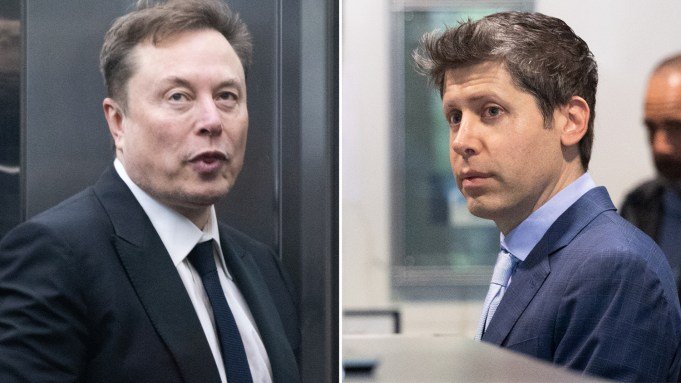
In a major legal showdown that has gripped Silicon Valley, a federal jury on Monday decisively rejected Elon Musk’s $150 billion lawsuit against OpenAI and its chief executive, Sam Altman.
The verdict delivers a severe blow to Mr. Musk’s efforts to disrupt the artificial intelligence heavyweight he helped create, while clearing a major hurdle for OpenAI as it positions itself for a historic initial public offering (IPO).
The Verdict: A "Calendar Technicality"
The nine-member jury in the U.S. District Court for the Northern District of California deliberated for less than two hours before finding that Mr. Musk had failed to file his lawsuit within the legally required statute of limitations.
Presiding U.S. District Judge Yvonne Gonzalez Rogers immediately dismissed the claims following the jury’s advisory verdict. Because the case was decided strictly on timing, the court never ruled on the actual merits of Mr. Musk's allegations.
Elon Musk's Response:
"The judge & jury never actually ruled on the merits of the case, just on a calendar technicality," Mr. Musk posted on social media. "There is no question to anyone following the case in detail that Altman & Brockman did in fact enrich themselves by stealing a charity. The only question is WHEN they did it!"
Mr. Musk’s lead attorney, Marc Toberoff, stated concisely outside the courtroom that they intend to appeal the decision. Neither Mr. Musk nor Mr. Altman was present for the reading of the verdict.
Core Allegations and the Defense
Mr. Musk, who was a foundational investor in OpenAI before leaving in 2018 after a power struggle, accused OpenAI, Sam Altman, and President Greg Brockman of "stealing a charity."
The Plaintiff's Argument
- Mission Drift: Musk claimed the founders abandoned OpenAI's original 2015 nonprofit mission—to build AI for the benefit of humanity—by structuring a massive, commercial for-profit arm.
- Commercialization: The suit targeted OpenAI's deep partnership with Microsoft, which has invested more than $13 billion into the company.
- Discovery Timeline: Musk's team argued he only realized the extent of the "bait and switch" in late 2022 after reading media reports of Microsoft's $10 billion investment.
The Defense's Counterargument
- "Sour Grapes": OpenAI’s lead lawyer, William Savitt, characterized the lawsuit as a product of envy over OpenAI's massive success with ChatGPT.
- Prior Commercial Intent: OpenAI presented evidence showing that before his departure in 2017, Mr. Musk himself had repeatedly attempted to transition the lab into a for-profit entity, even suggesting it be absorbed by Tesla.
- Preserved Mission: Savitt noted that the OpenAI nonprofit still exists, controls the for-profit arm, and holds assets totaling over $200 billion.
Industry Implications and OpenAI's Path Forward
The swift resolution preserves the competitive status quo in the red-hot artificial intelligence sector.