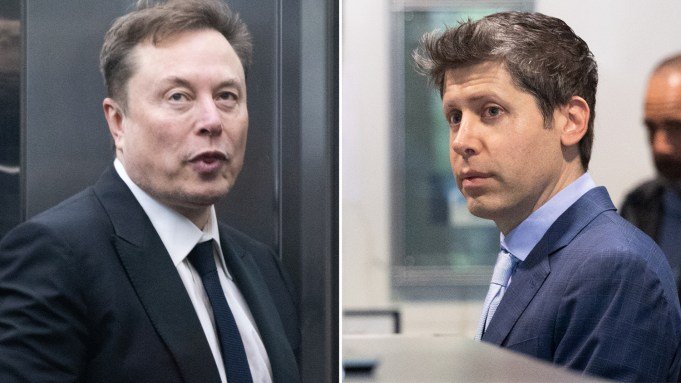
A landmark courtroom clash has begun between Elon Musk and Sam Altman, placing the founding principles of OpenAI under intense legal scrutiny
According to The Guardian, the case centers on Musk’s claim that the organization has strayed from its original nonprofit mission—developing artificial intelligence for the benefit of humanity—and instead evolved into a profit-driven enterprise

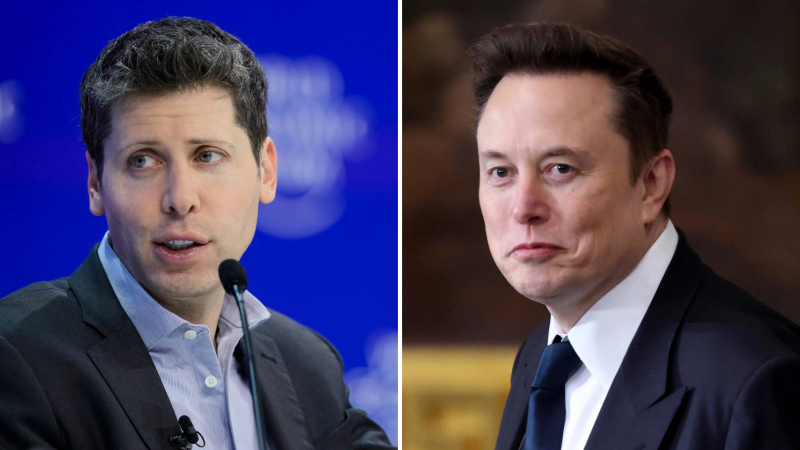
A landmark courtroom clash has begun between Elon Musk and Sam Altman, placing the founding principles of OpenAI under intense legal scrutiny
According to The Guardian, the case centers on Musk’s claim that the organization has strayed from its original nonprofit mission—developing artificial intelligence for the benefit of humanity—and instead evolved into a profit-driven enterprise.
Core allegations
Musk, who co-founded OpenAI in 2015 and later departed, argues that Altman and the company’s leadership breached the founding agreement by restructuring the organization and aligning closely with Microsoft. He contends that this shift prioritizes commercial gain over public interest.
The lawsuit seeks sweeping remedies, including massive financial damages, governance changes, and the removal of key executives such as Altman and OpenAI president Greg Brockman.
OpenAI’s response
OpenAI has strongly denied the allegations, maintaining that its transition to a “capped-profit” model was both transparent and necessary to raise the billions of dollars required for advanced AI research. The company also argues that Musk’s contributions were donations, not investments that grant him authority over its direction.
Altman’s camp has suggested that the dispute may also reflect growing competition, as Musk has since launched a rival AI venture.
What to expect in court
The trial is expected to run for several weeks, with testimony from prominent technology leaders, potentially including Microsoft CEO Satya Nadella. Internal communications and strategic decisions are likely to play a central role, alongside the long-standing tensions between Musk and Altman.
Wider implications
The outcome of the case could reshape not only OpenAI’s future structure but also broader expectations for how artificial intelligence companies balance profit motives with ethical responsibilities. It may set a precedent for governance in one of the world’s most influential and fast-evolving industries.
Background
OpenAI was founded as a nonprofit with the goal of ensuring AI benefits all humanity. Over time, it adopted a hybrid structure to attract funding—an evolution that now sits at the heart of this high-stakes legal battle.
In short: This is more than a personal dispute between two tech leaders—it is a defining case about the future direction, accountability, and ethics of artificial intelligence.