Saudi Arabia Faces Growing Threats as Iran’s Regional Allies Advance
Saudi Arabia is facing a growing security and economic challenge as Iran and its allies expand threats across the region

Saudi Arabia Faces Growing Threats as Iran’s Regional Allies Advance
Saudi Arabia is facing a growing security and economic challenge as Iran and its allies expand threats across the region.
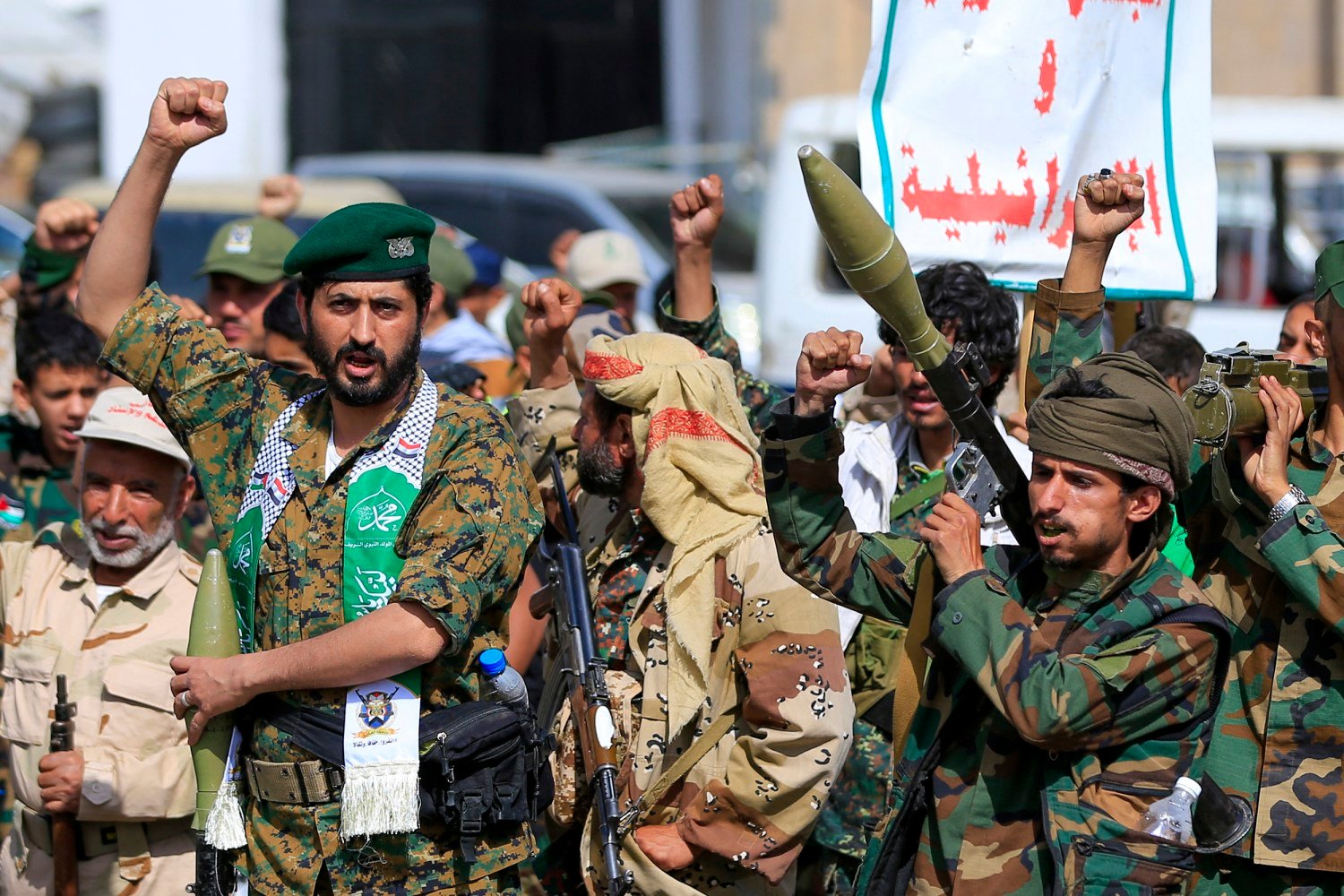
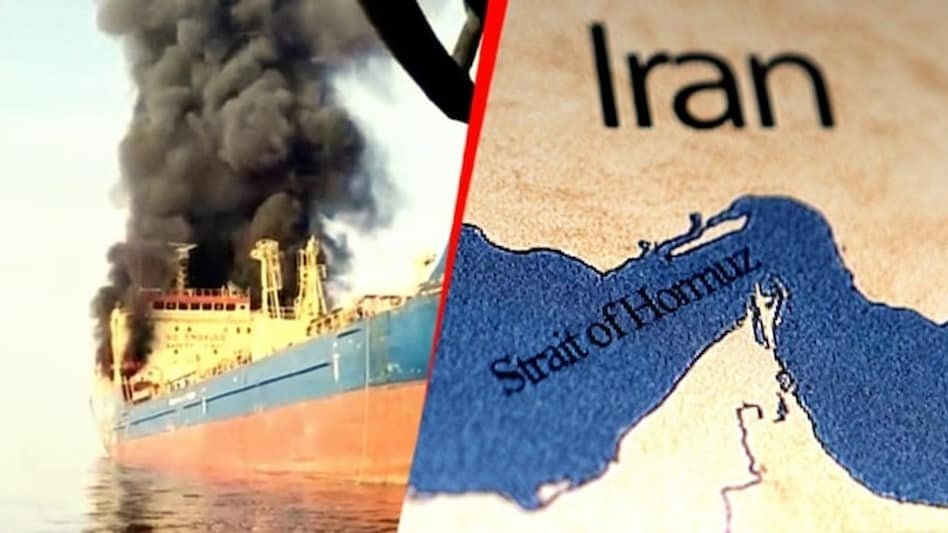
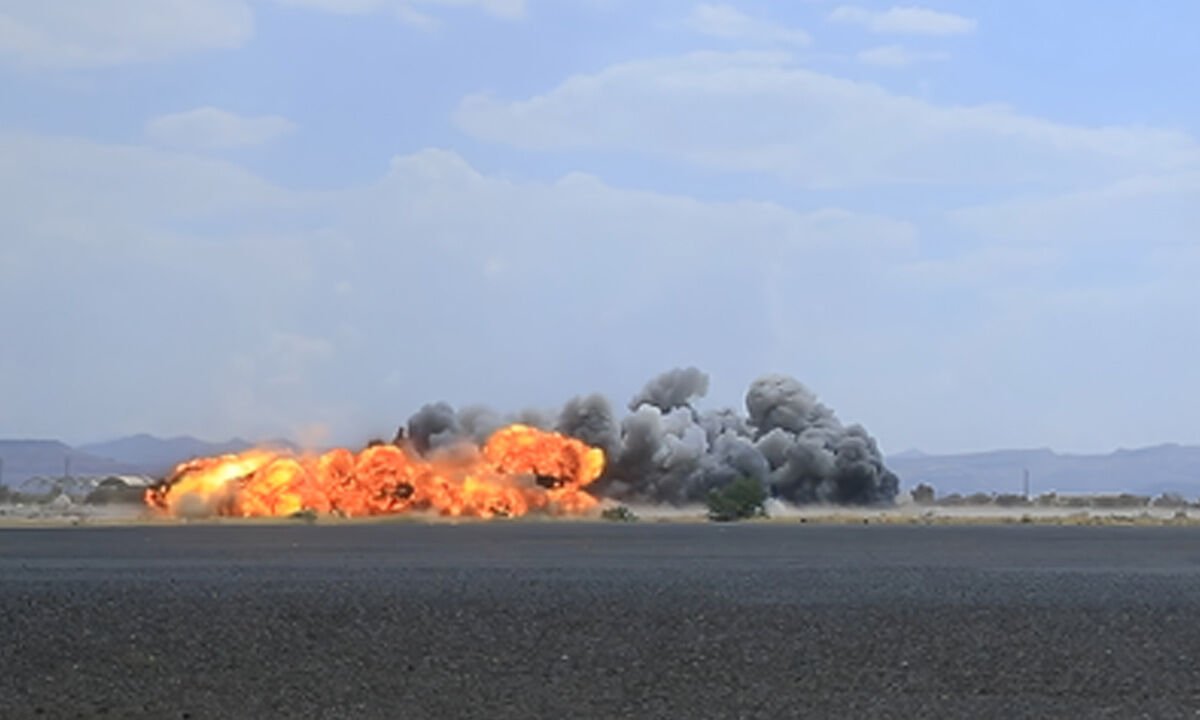
A rapid advance by Yemen’s Houthi rebels is threatening a crucial Red Sea shipping route, while drone attacks blamed on Iraqi militias have forced Saudi Arabia to shut down a major oil pipeline. At the same time, Iran continues to disrupt shipping through the Strait of Hormuz.
The developments have created a worst-case scenario for Saudi Arabia and sent jitters through global markets.
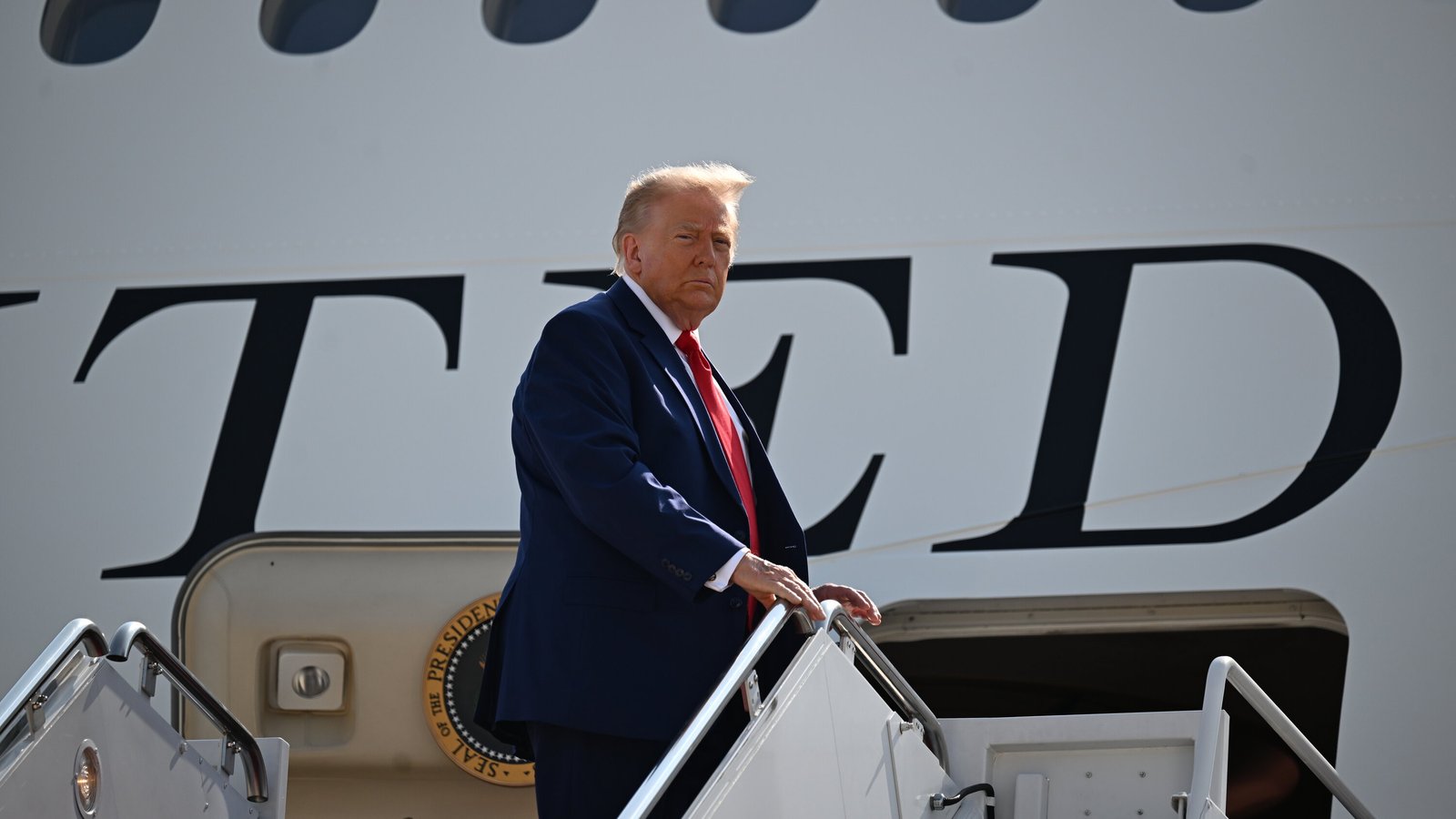
The kingdom’s most important ally, the United States, has also become an uncertain source of security support. President Donald Trump appears reluctant to widen an already unpopular and stalemated Middle East war, particularly with congressional elections approaching.
For Iran, the Houthi advance and the closure of the Saudi pipeline increase economic pressure at a time when Tehran’s ability to control the Strait of Hormuz has weakened.
Michael Ratney, a former U.S. ambassador to Saudi Arabia, described the latest developments as “incredibly frustrating” for the kingdom.
Despite Saudi Arabia’s deep hostility toward Iran, Ratney said, the kingdom never wanted the war and had serious concerns about becoming involved. Once the conflict began, he said, many of Saudi Arabia’s worst-case scenarios started becoming reality.
The Saudi government did not respond to a request for comment. However, a Saudi official, speaking on condition of anonymity because he was not authorized to brief the media, said the kingdom would defend itself and work with partners, including the United States, to ensure freedom of navigation in the Red Sea.
Saudi Arabia’s Vision for a New Middle East Under Pressure
Saudi Crown Prince and de facto ruler Mohammed bin Salman has spent years seeking to transform the kingdom through sweeping social and economic reforms. His broader goal has been to turn the traditionally conservative country into a global business hub while promoting a more prosperous and integrated Middle East.
Those ambitions suffered major setbacks after Hamas’ Oct. 7, 2023, attack on Israel, which triggered a series of conflicts across the region.
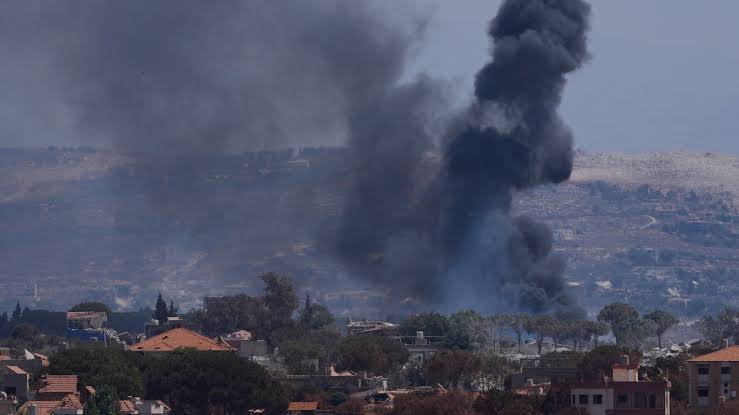
When the United States and Israel attacked Iran on Feb. 28, Iran responded with missile and drone attacks against Saudi Arabia and other Gulf states. Tehran also effectively shut down the Strait of Hormuz, disrupting oil and gas exports from the Gulf and sending shock waves through the global economy.
Saudi Arabia managed to avoid some of the worst effects by transporting oil across the Arabian Peninsula to the Red Sea. From there, Saudi crude can reach European markets through Egypt’s SUMED pipeline and the Suez Canal, while another route allows shipments to move toward Asian markets through the Bab el-Mandeb Strait and into the Indian Ocean.
But the latest Houthi advances and growing threats to Red Sea shipping are putting these alternative routes under increasing pressure.
As a result, Saudi Arabia is finding itself with fewer reliable options to protect its territory, maintain energy exports and navigate the widening conflict between Iran and its regional allies.
Source: AP