Trump’s Iran Strategy Stalls as War Enters Its Sixth Month
The United States appears increasingly bogged down in its six-month conflict with Iran, despite President Donald Trump’s repeated claims of military dominance and victory

Trump’s Iran Strategy Stalls as War Enters Its Sixth Month
The United States appears increasingly bogged down in its six-month conflict with Iran, despite President Donald Trump’s repeated claims of military dominance and victory.
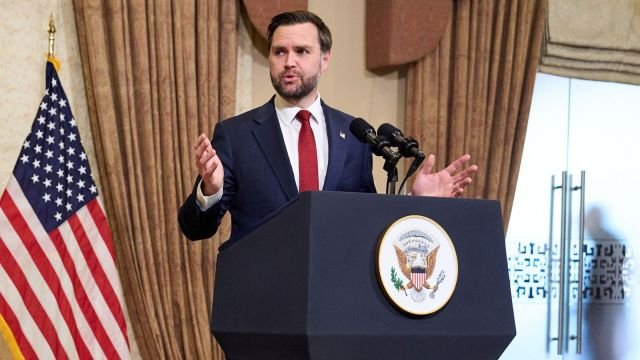
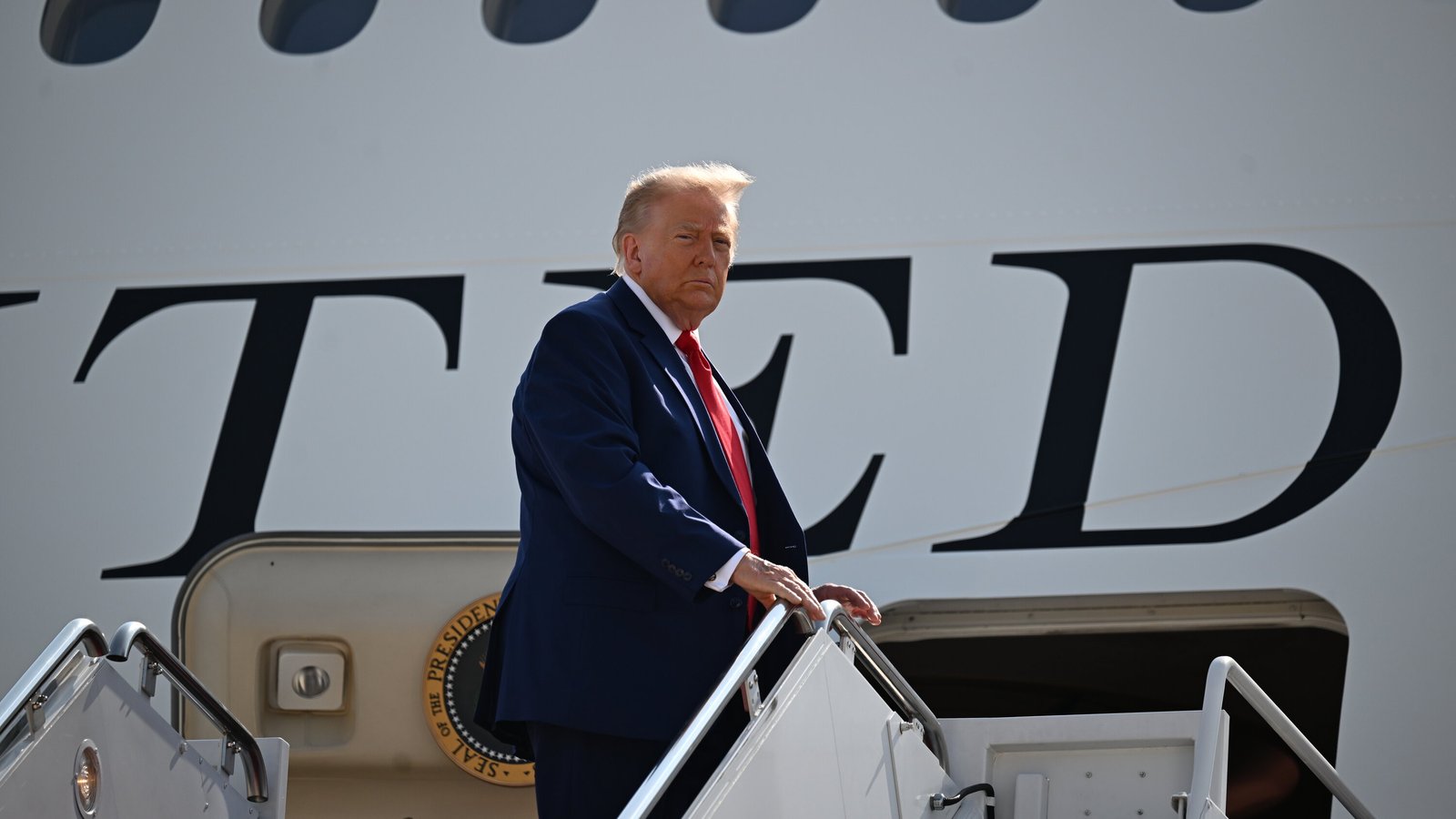
Following the latest exchange of fire over the Strait of Hormuz, Trump again called on the Iranian people to rise against their government. He also dismissed stalled negotiations with Tehran, saying he “couldn’t care less” whether Iran signed an agreement.
Trump claimed that the United States now has “almost total control” of the Strait of Hormuz and that Iran’s economy is collapsing. He also threatened a much larger attack if Iran retaliates against recent U.S. strikes.
However, foreign policy experts argue that Trump’s strategy appears increasingly repetitive, with Washington lacking a clear plan either to achieve its objectives or to end the conflict.
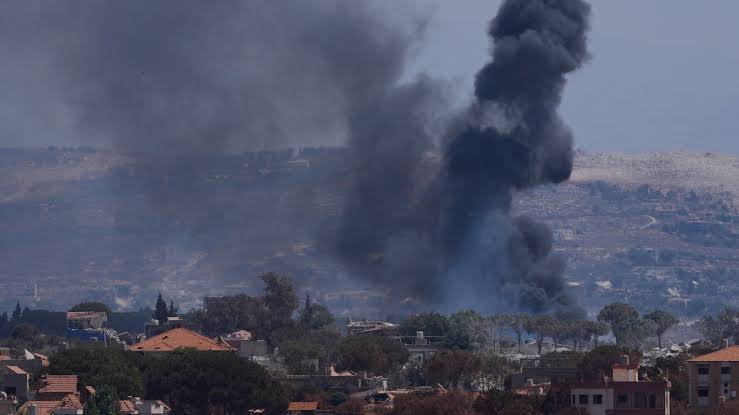
Although U.S. military operations have severely weakened Iran, including its senior leadership and naval forces, Tehran has retained an important source of leverage through the Strait of Hormuz. Iranian attacks and threats against shipping have disrupted oil and gas exports and created wider risks for the global economy.
Experts describe this as a form of asymmetric warfare: while the United States has overwhelming military superiority, Iran can still use strategically important assets such as the Strait of Hormuz to impose significant economic costs.
The Trump administration has also shifted toward economic warfare, imposing additional sanctions and attempting to block Iran’s remaining economic lifelines. Washington is also seeking to pressure countries such as China and Russia that continue to support or trade with Tehran.
China remains a crucial economic lifeline for Iran, buying Iranian oil and providing raw materials and technology. Russia has also pledged continued support for Tehran.
At home, Trump faces growing political and economic pressure as the U.S. midterm elections approach. While he continues to issue threats of further military action, the administration appears reluctant to launch an unrestricted bombardment.
Analysts say Trump’s increasingly aggressive rhetoric may partly be aimed at maintaining political support rather than reflecting a clearly defined strategy.
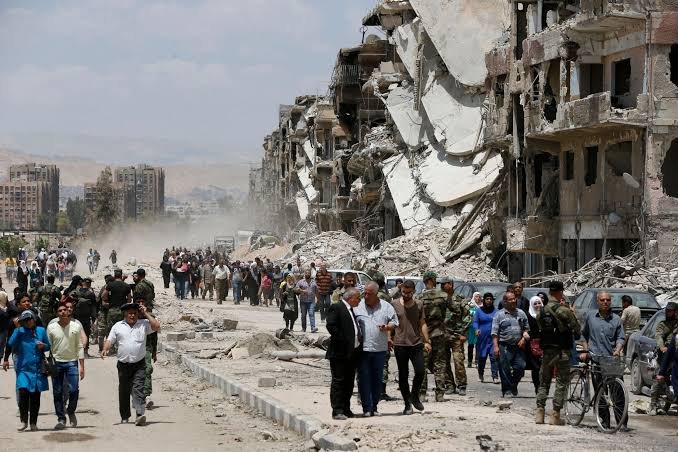
Overall, the conflict demonstrates a growing gap between Washington’s overwhelming military power and its ability to achieve all of its political objectives. The United States has significantly weakened Iran, but Tehran’s ability to disrupt the Strait of Hormuz, combined with support from China and Russia, has made a quick and decisive end to the war increasingly difficult.
Source: The New York Times