02 Workers Rescued Alive from Nepal Hydropower Tunnel 09 Days After Disaster
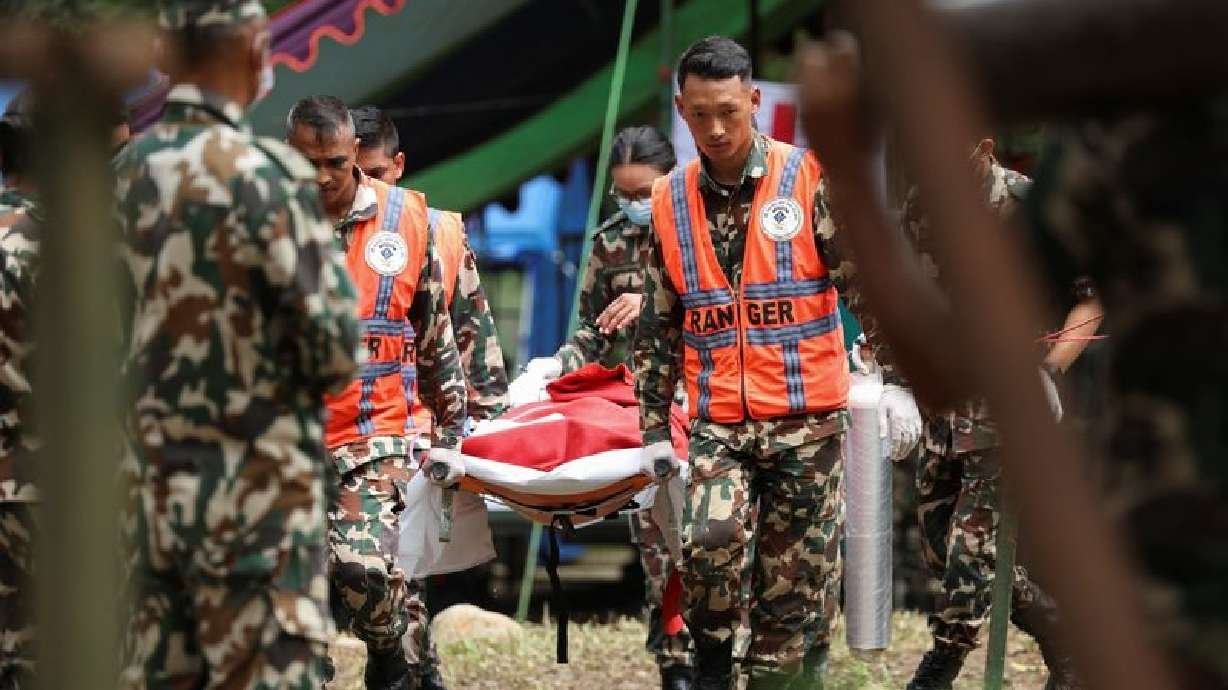
Rescuers pulled two workers alive from a tunnel linked to the Upper Trishuli 3A hydropower project in Nepal on Friday, nine days after a massive disaster swept through the Trishuli River valley

02 Workers Rescued Alive from Nepal Hydropower Tunnel 09 Days After Disaster
Rescuers pulled two workers alive from a tunnel linked to the Upper Trishuli 3A hydropower project in Nepal on Friday, nine days after a massive disaster swept through the Trishuli River valley.
The rescue has raised fresh hopes of finding more survivors, although the chances of locating people alive are rapidly diminishing. Officials believe at least 900 people may have been trapped inside tunnels connected to six hydropower projects following the August 26 collapse of a glacier in the upper reaches of the river.
The two men, identified as Kabir Maharjan and Sanjay Sah, were the first workers rescued alive from the affected hydropower projects. They were airlifted to an army hospital in Kathmandu for treatment.
Video released by Nepali authorities showed Maharjan being pulled from a hole in the ground as people nearby cheered. Sah was carried out on another worker's back, his face still covered in mud. Army doctors later placed an oxygen mask on him and checked his vital signs.
Sah, a mechanical foreman, said he had remained inside a tunnel control room to help colleagues escape after learning about the disaster.
“I was in the control room, so my responsibility was to save everyone's lives,” he said.
While trapped underground, Sah said he spent time reciting mantras. He also told rescuers that three or four other people had been in contact with him and that more survivors could possibly remain deeper inside the tunnel.
The Nepali army said it had also recovered bodies from tunnels at the Upper Trishuli 3A and Langtang hydropower projects.
Nepal's disaster management authority said at least 1,294 people had died, while more than 5,000 remained missing, including 583 foreign nationals. Many of the missing foreigners were pilgrims and trekkers.
China's state news agency Xinhua reported that the death toll in Tibet had risen to 31, with another 531 people missing.