US Joins Saudi Arabia in Strikes on Tehran-Backed Militias in Iraq as Iran Launches Missile Barrage
The United States said it intercepted an Iranian missile barrage and, together with Saudi Arabia, carried out airstrikes against Tehran-backed militia positions in Iraq, marking a sharp escalation after a brief lull in hostilities

US Joins Saudi Arabia in Strikes on Tehran-Backed Militias in Iraq as Iran Launches Missile Barrage
The United States said it intercepted an Iranian missile barrage and, together with Saudi Arabia, carried out airstrikes against Tehran-backed militia positions in Iraq, marking a sharp escalation after a brief lull in hostilities.
According to the US military, Wednesday's joint strikes targeted sites used by Iran-backed militias to launch recent attacks. At least 20 members of Iraq's former paramilitary alliance, including pro-Iran factions, were reportedly killed.
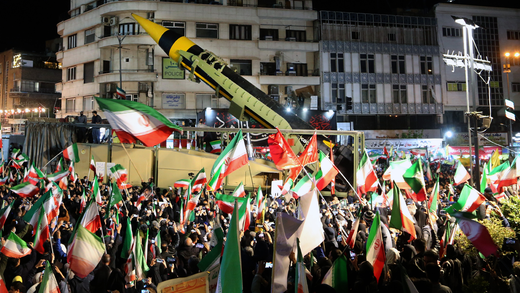
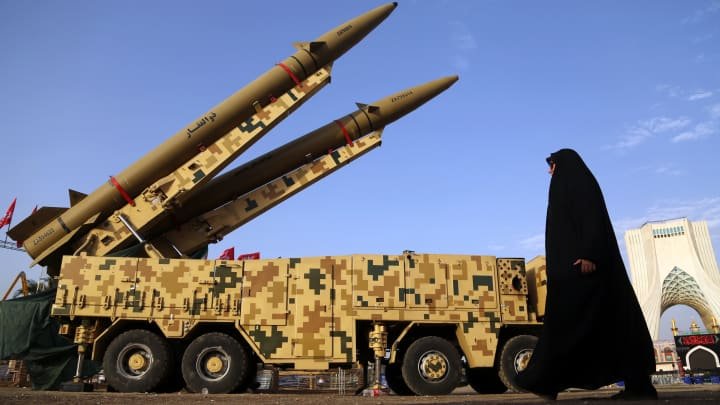
Washington described Iran's missile launch as "an attempted surprise attack." Multiple ballistic missiles were fired toward US forces in the Middle East, with a US official telling Axios that the intended target was an American military base in Jordan.
US Central Command (CENTCOM) said all Iranian missiles launched on Tuesday were successfully intercepted. The United States also warned that any further attacks on American troops or Saudi Arabia's energy infrastructure would trigger additional retaliatory military action.
The US-Saudi operation struck elements of Iraq's Popular Mobilisation Forces (PMF), an Iraqi state security organization that Washington says has been heavily infiltrated by Iran-backed groups. Besides the fatalities, several others were reported wounded.
In another sign that the temporary pause in fighting may be over, Iran's Islamic Revolutionary Guard Corps (IRGC) claimed it had intercepted and halted three oil tankers travelling an "illegal" route through the Strait of Hormuz. Iranian state media carried the announcement. The renewed tensions pushed Brent crude prices higher, with oil trading at around $88 per barrel.
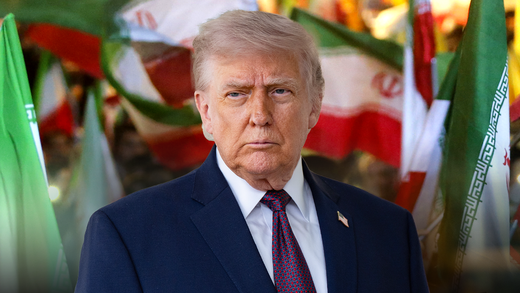
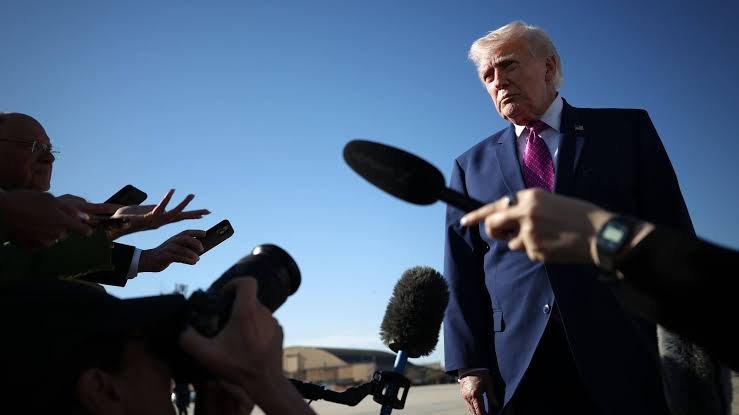
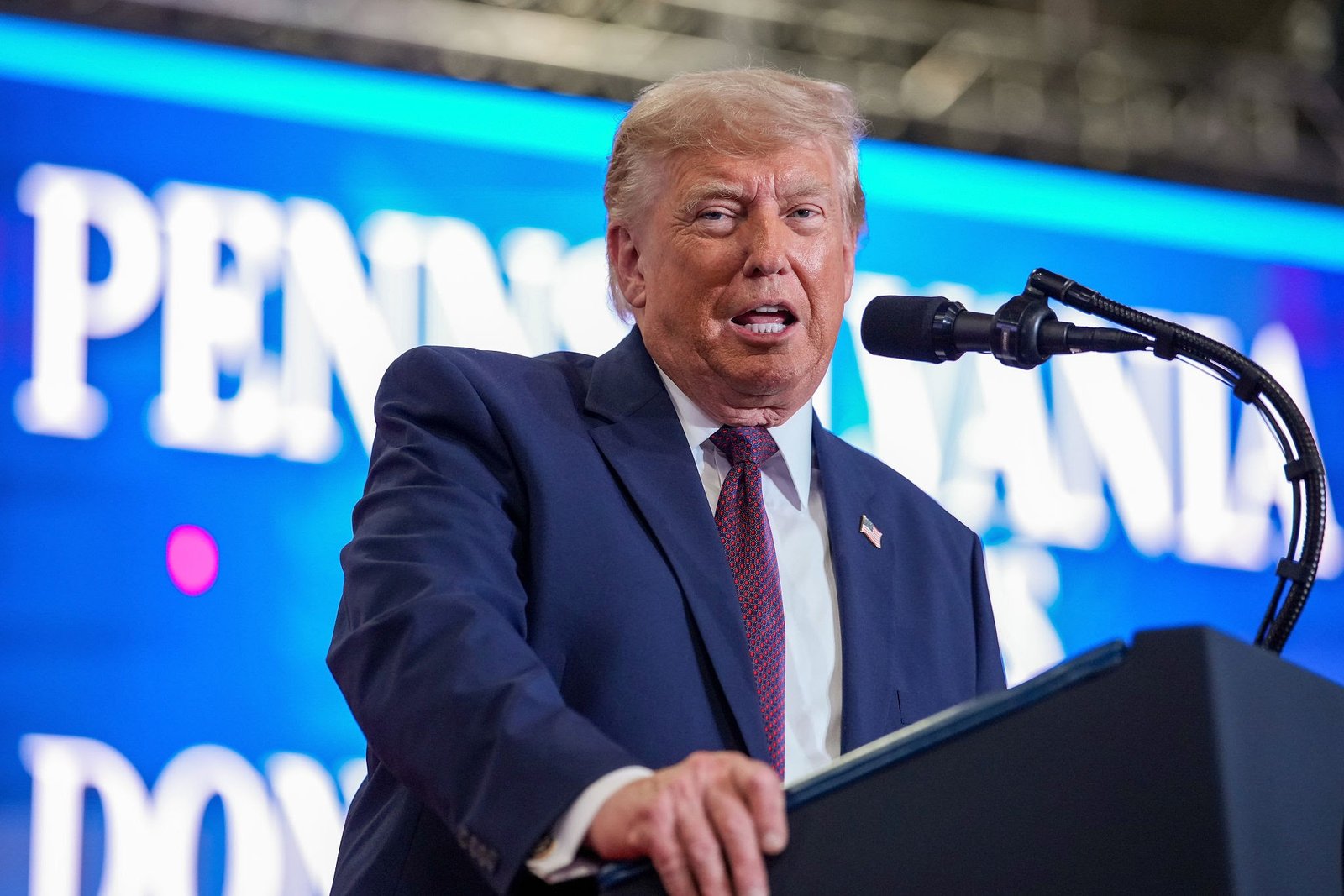
The latest escalation follows a weekend ceasefire after nearly two weeks of nightly US airstrikes on Iran and repeated Iranian missile and drone attacks targeting Washington's regional allies. The pause had briefly eased concerns in global energy markets, and US President Donald Trump had expressed optimism about possible diplomatic progress.
The United States and Saudi Arabia accused Iran-backed Iraqi militias of launching drone attacks against Saudi oil facilities in recent days, prompting the joint military response.
Iraqi Prime Minister Ali al-Zaidi ordered security agencies to investigate the allegations, stressing that Iraq would not allow its territory to be used as a launchpad for attacks against "brotherly or friendly countries."
The accused militias denied any involvement. The Islamic Resistance in Iraq, an umbrella coalition of Iran-backed armed groups, dismissed the Saudi allegations as "fabrications" and suggested that the attacks were instead carried out by Yemen's Houthi movement.
Meanwhile, the Iran-backed Houthis claimed they had forced a Saudi oil tanker to turn back as part of what they described as their maritime blockade. Last week, the group announced a blockade of Saudi shipping through the Bab el-Mandeb Strait, raising concerns over another critical global shipping route.
The United Kingdom Maritime Trade Operations (UKMTO) also reported that a commercial tanker heard explosions while transiting the southern Red Sea, although the vessel and its crew remained safe. The Houthis had previously claimed responsibility for attacks on at least one Saudi tanker in the Red Sea.
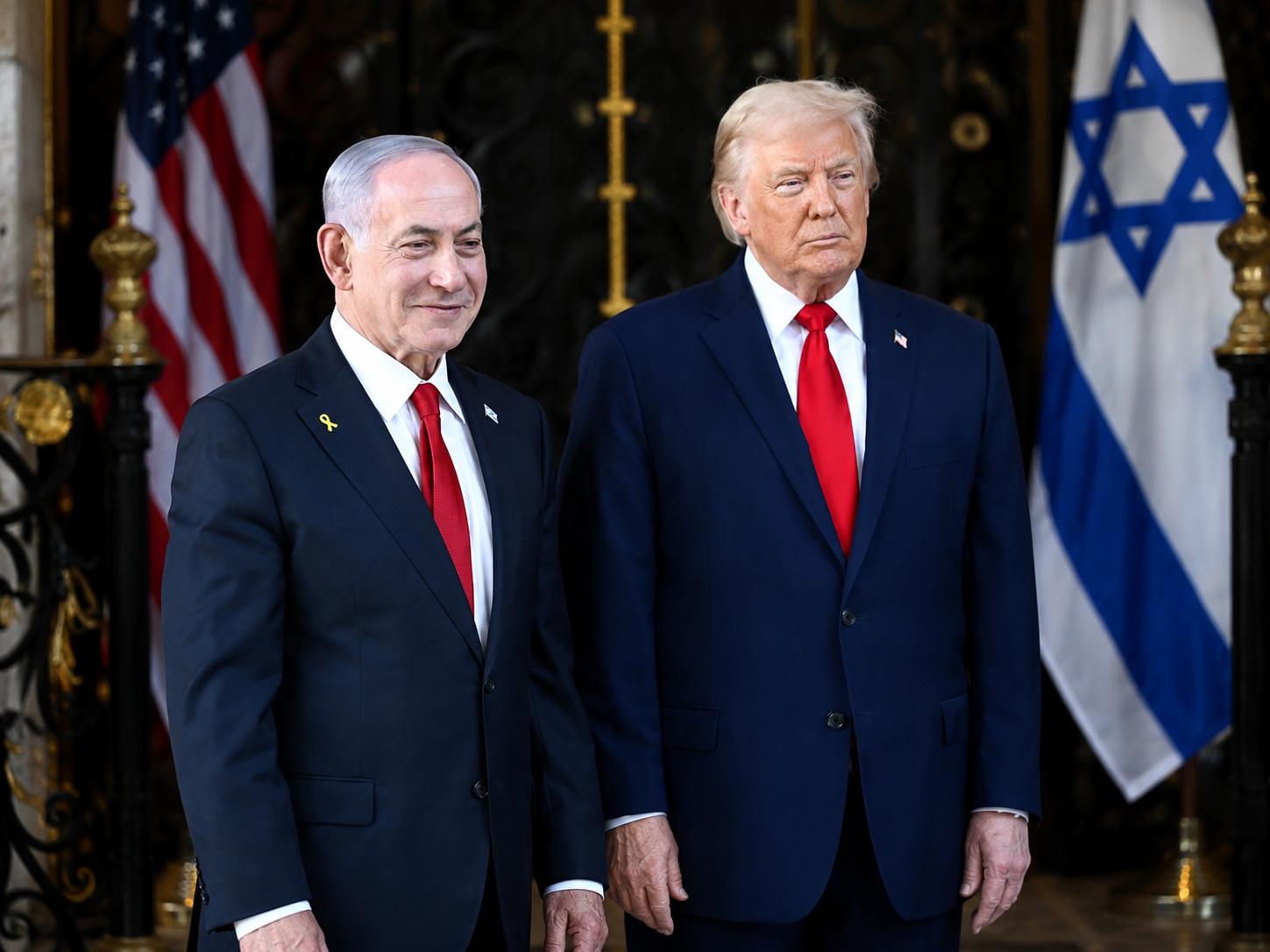
The renewed Iranian missile attack came as Israeli Prime Minister Benjamin Netanyahu was in Washington for high-level talks with US President Donald Trump. Israel has largely remained out of the recent phase of direct fighting with Iran.
Netanyahu described his White House meeting with Trump as "excellent." The closed-door discussions lasted nearly 90 minutes and were described by White House Press Secretary Karoline Leavitt as "positive and productive."
The meeting comes at a time when both leaders face growing political pressure at home. Netanyahu is preparing for re-election, while Trump faces increasing calls to bring an end to a conflict that has disrupted global markets, increased energy prices, and created economic uncertainty ahead of the US midterm elections.