US Launches New Strikes on Iran as Regional Hostilities Escalate; Gulf States Report Intercepting Attacks
Fresh military strikes between the United States and Iran have reignited tensions across the Middle East. As both sides exchange accusations and claims of retaliation, concerns are growing over regional security, global energy supplies, and the safety of commercial shipping through the Strait of Hormuz.

US Launches New Strikes on Iran as Regional Hostilities Escalate; Gulf States Report Intercepting Attacks
Military tensions between the United States and Iran have intensified once again after a new round of US airstrikes targeted Iranian military infrastructure, while Tehran claimed it responded by launching attacks against American military sites across the Gulf region.
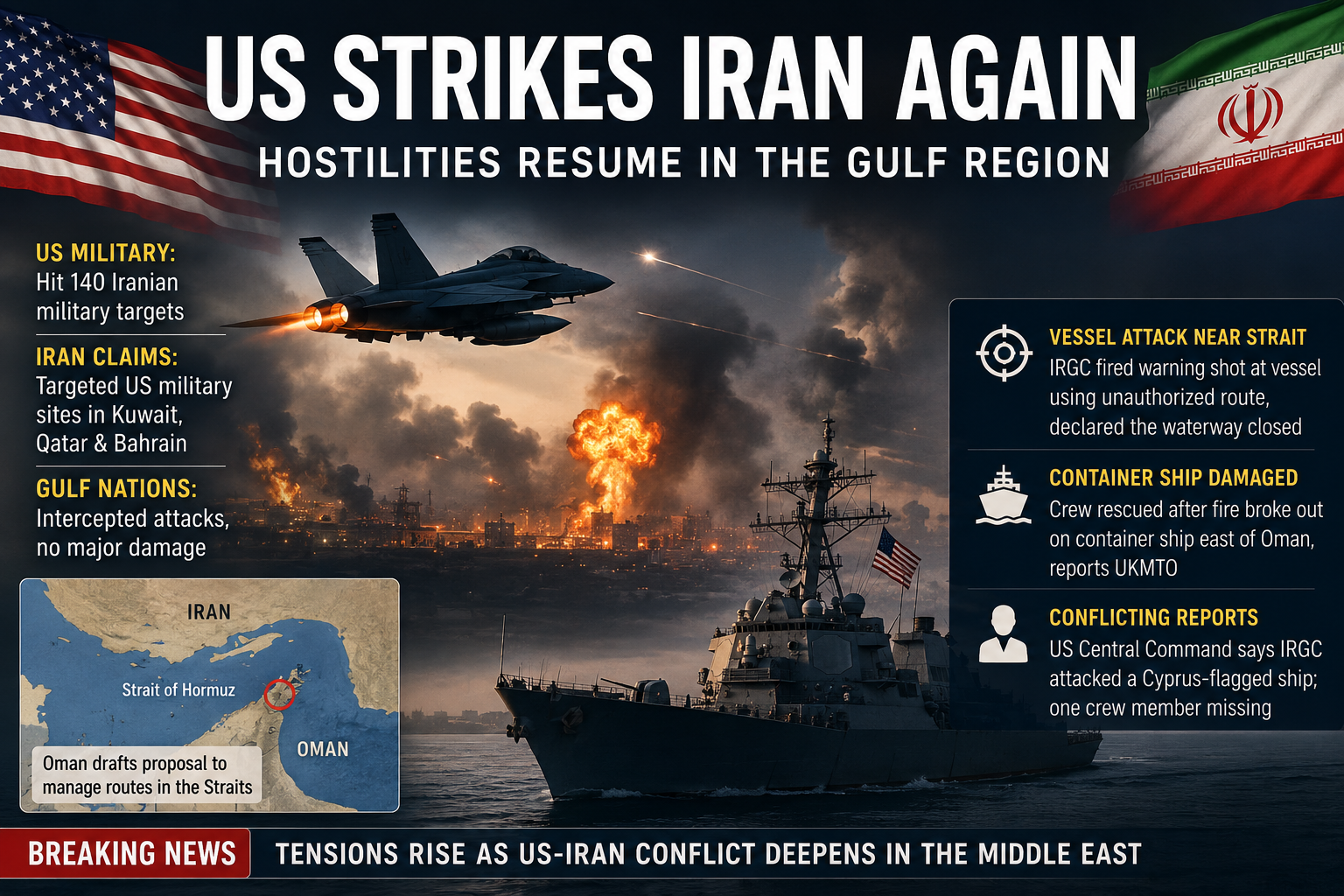
According to the US military, American forces carried out strikes against approximately 140 Iranian military targets, marking the third wave of US attacks within a week. Washington said the operation was conducted in response to what it described as an attack by Iran's Islamic Revolutionary Guard Corps (IRGC) on a commercial vessel transiting the strategically important Strait of Hormuz.
The latest escalation follows several days of increasingly hostile rhetoric exchanged between senior officials in Washington and Tehran, raising concerns that the conflict could expand further across the Middle East.
Iran Claims Retaliatory Strikes
Iranian state media reported that Iranian forces retaliated by targeting US military facilities and assets located in Kuwait, Qatar, and Bahrain.
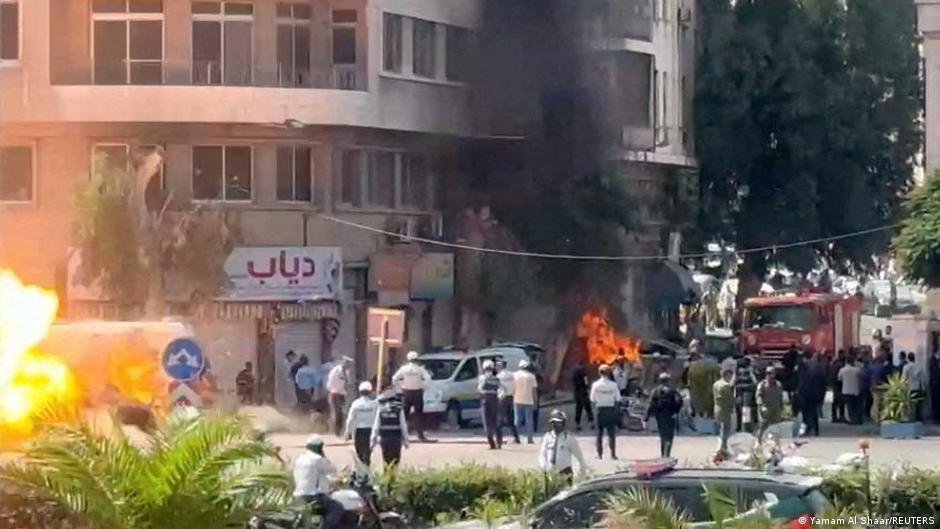
Authorities in those Gulf nations said they successfully intercepted incoming attacks, though no immediate reports of significant casualties or major infrastructure damage were released.
Independent verification of Iran's claims and the reported interceptions remains limited.
Strait of Hormuz Remains at Center of Crisis
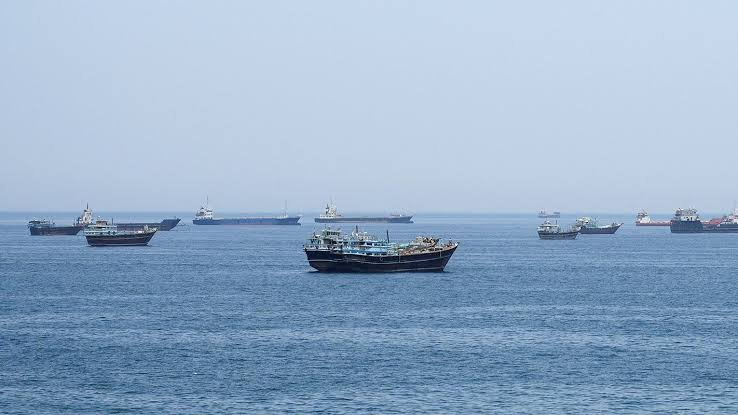
The Strait of Hormuz, through which nearly one-fifth of the world's oil supply passes, continues to be the focal point of the crisis.
A source familiar with the discussions told CNN that Oman has drafted a tentative proposal aimed at managing shipping routes through the waterway in an effort to reduce tensions and restore maritime security.
US officials have previously stated that meaningful negotiations over Iran's nuclear program cannot move forward unless freedom of navigation through the Strait of Hormuz is guaranteed.
Container Ship Crew Rescued
Separately, the UK Maritime Trade Operations (UKMTO) confirmed that the crew of a container ship damaged near the Strait of Hormuz was rescued after abandoning the vessel.
According to the ship's Company Security Officer, local authorities rescued the crew after they escaped aboard a lifeboat.
Hours earlier, UKMTO reported that the vessel had caught fire after sustaining damage to its stern while sailing east of Oman.
Conflicting Accounts Over Vessel Incident
The maritime incident occurred after Iran's Islamic Revolutionary Guard Corps announced it had fired a warning shot at a vessel attempting to use what it described as an unauthorized route through the Strait of Hormuz, while also declaring the strategic waterway closed.
Meanwhile, US Central Command (CENTCOM) alleged that the IRGC had deliberately attacked a Cyprus-flagged container ship transiting the strait and said one crew member remained missing.
It remains unclear whether the vessel mentioned by the UKMTO is the same ship referenced by CENTCOM.
Growing International Concern
The renewed military exchanges have heightened fears of a broader regional conflict that could threaten global energy supplies and international shipping.
Governments across the region continue to monitor the situation closely as diplomatic efforts seek to prevent further escalation.