G7 Finance Ministers Push for Safe Transit Through Strait of Hormuz
In a joint statement, finance chiefs from Canada, France, Germany, Italy, Japan, the United Kingdom and the United States reaffirmed their commitment to maintaining stable energy markets and urged countries to avoid arbitrary export restrictions

G7 Finance Ministers Push for Safe Transit Through Strait of Hormuz
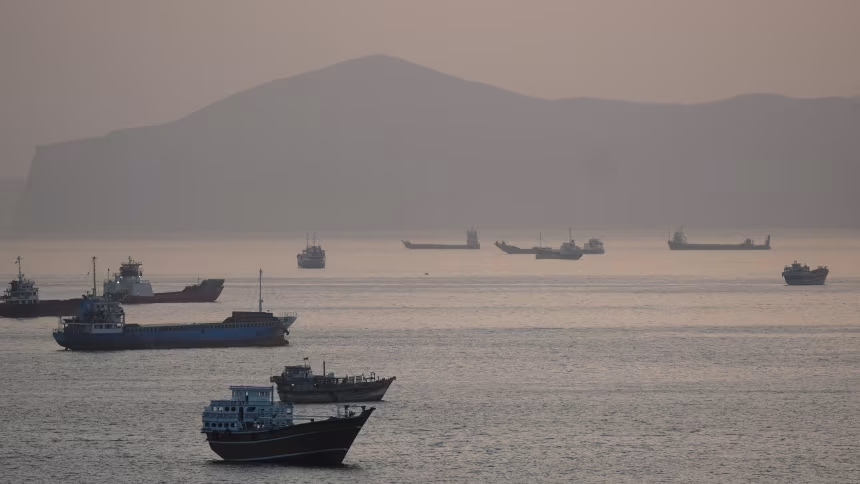
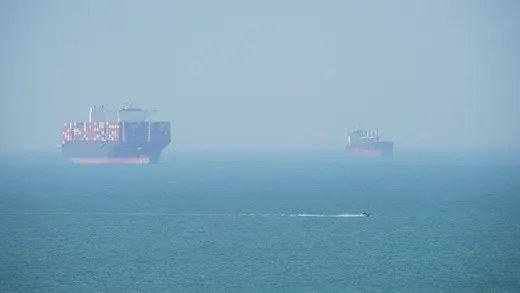
Reopening the Strait of Hormuz is “imperative,” G7 finance ministers said on Tuesday, highlighting the enormous economic risks tied to disruptions in one of the world’s most critical energy corridors.
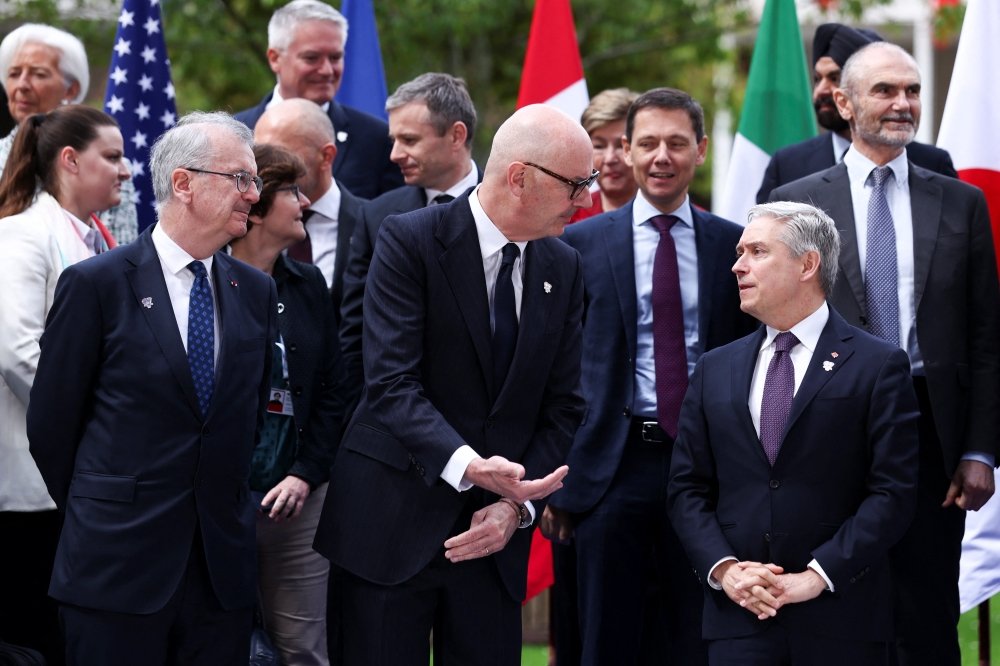
In a joint statement, finance chiefs from Canada, France, Germany, Italy, Japan, the United Kingdom and the United States reaffirmed their commitment to maintaining stable energy markets and urged countries to avoid arbitrary export restrictions.
The G7 stressed that keeping the Strait of Hormuz open and ensuring energy market stability are priorities not only for the Middle East, but for the broader global economy, as Donald Trump continues efforts to push Iran toward peace and restore safe navigation through the waterway.
The ministers said it was “imperative” to guarantee the return of free and secure transit through the Strait of Hormuz and to ease pressure on global supplies of energy, food and fertilizer.
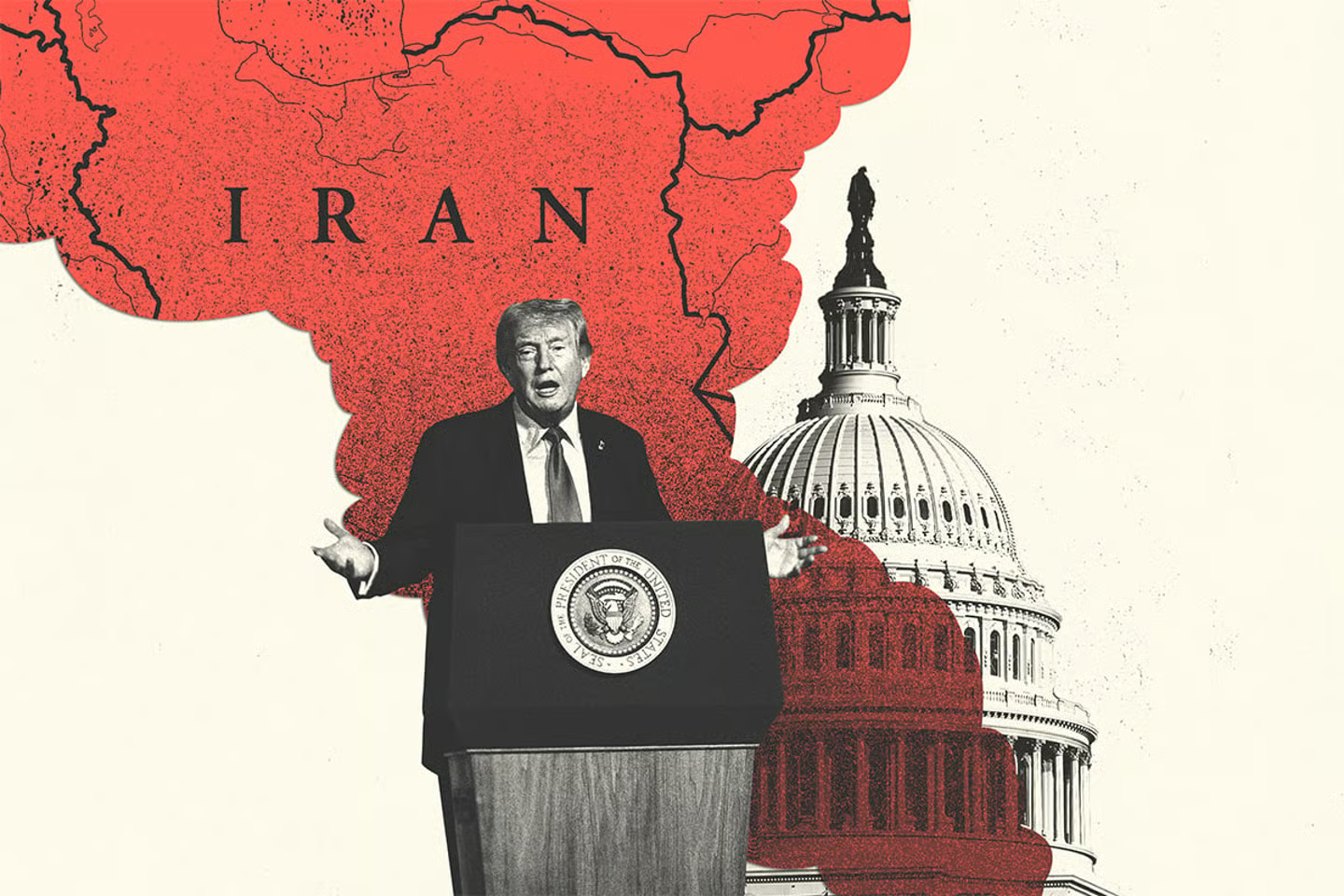
Trump said Monday that he had paused a planned strike against Iran after Tehran submitted a peace proposal to Washington, adding that there was now a “very good chance” of reaching an agreement to limit Iran’s nuclear program.
However, several other G7 members reportedly expressed frustration that Washington and Israel launched strikes against Iran without fully considering the economic consequences and the likely closure of the Strait of Hormuz — a vital artery for global energy markets.
Officials from three Gulf nations also attended Tuesday’s meeting in Paris to discuss the crisis. French official Lescure said the International Monetary Fund and the World Bank should do more to support vulnerable countries affected by the conflict, particularly those facing disruptions in food supplies.