Trump administration says Iran has not crossed the “major combat” threshold despite fresh attacks
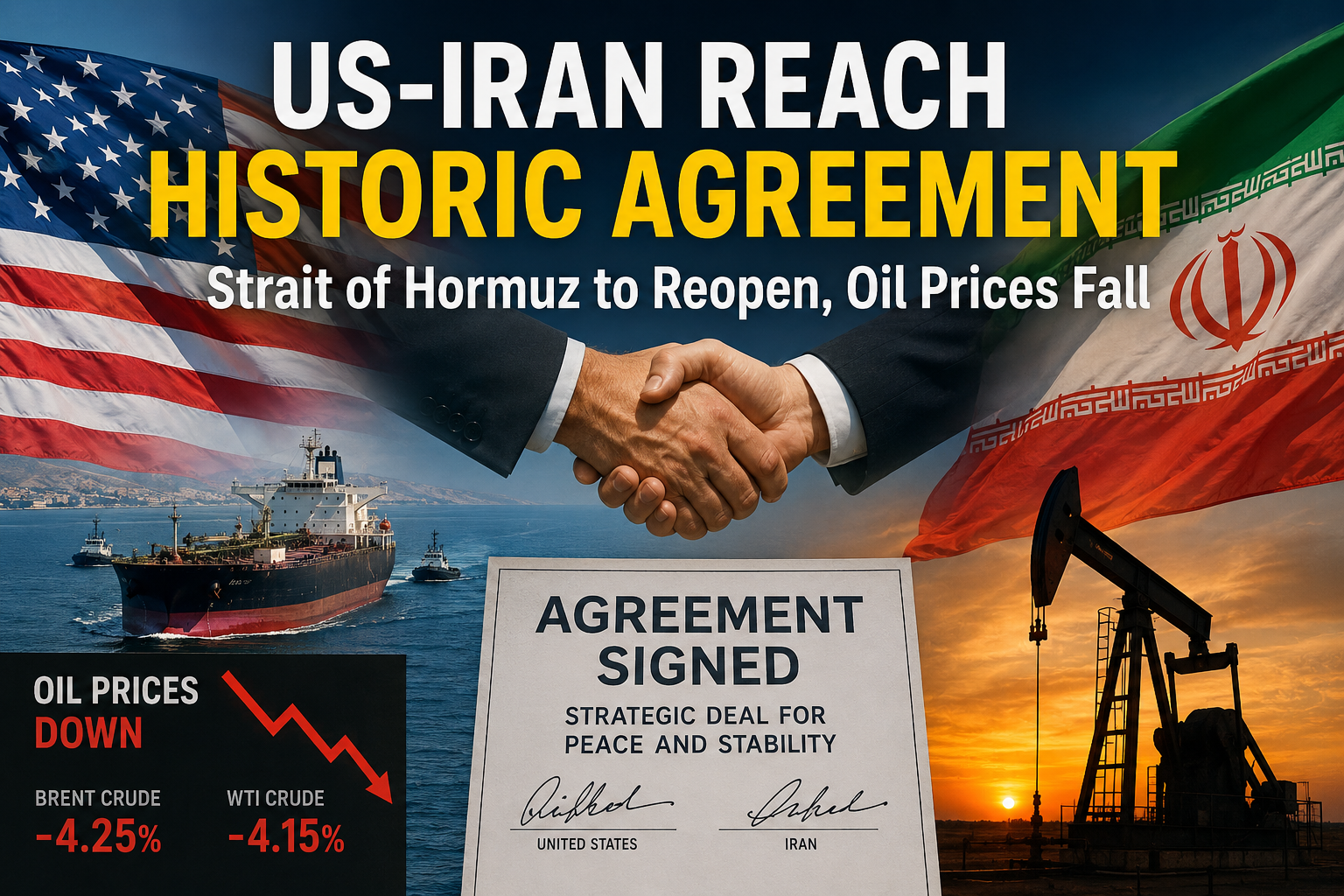
Global tensions are escalating once again as the fragile ceasefire between the United States and Iran faces fresh challenges. Despite Iranian missile strikes, attacks on commercial vessels, and growing instability in the Gulf region, the Trump administration insists that full-scale war has not resumed. Meanwhile, diplomatic pressure is mounting from Europe, China, and regional powers as fears of a wider conflict continue to rise.

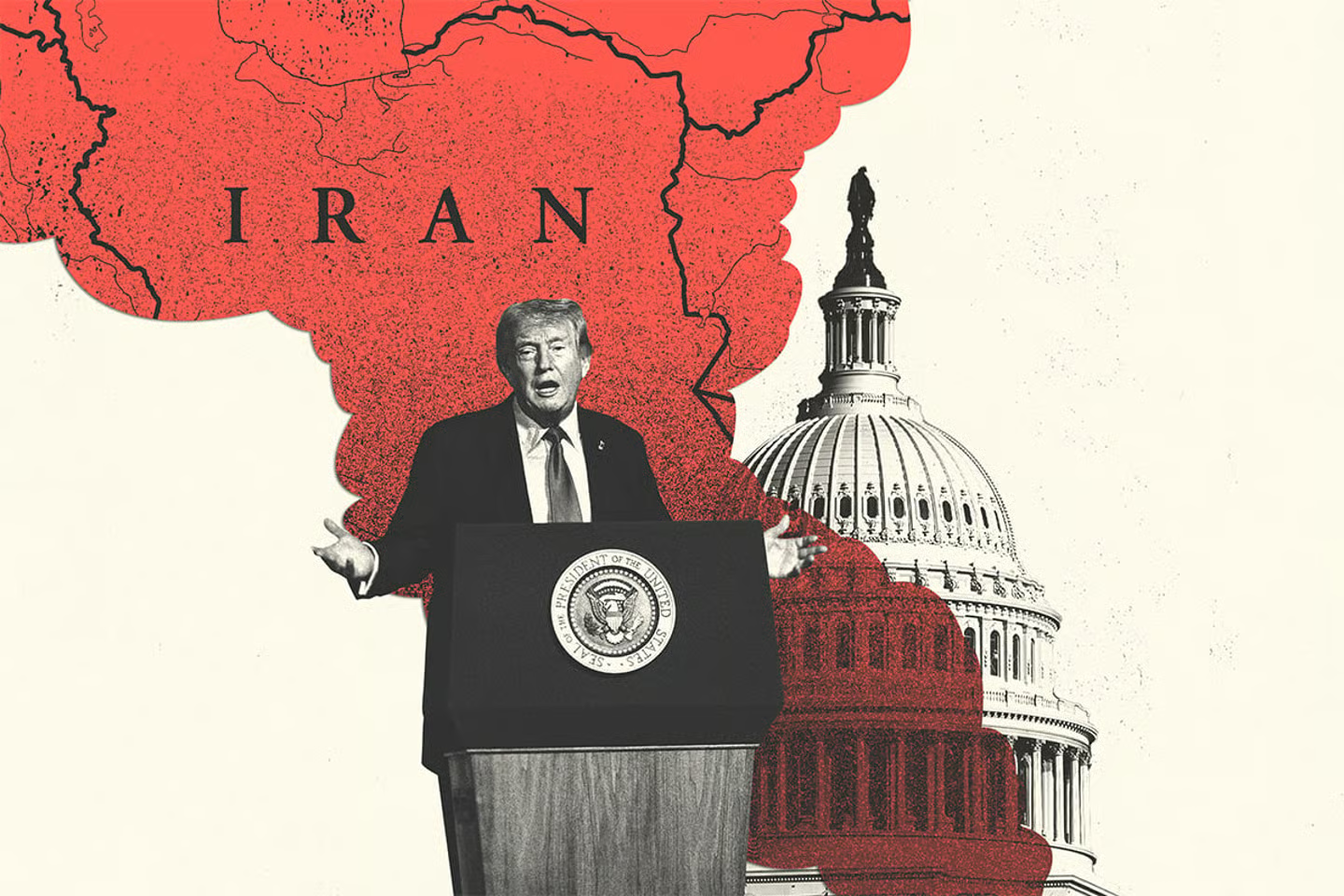
Trump administration says Iran has not crossed the “major combat” threshold despite fresh attacks
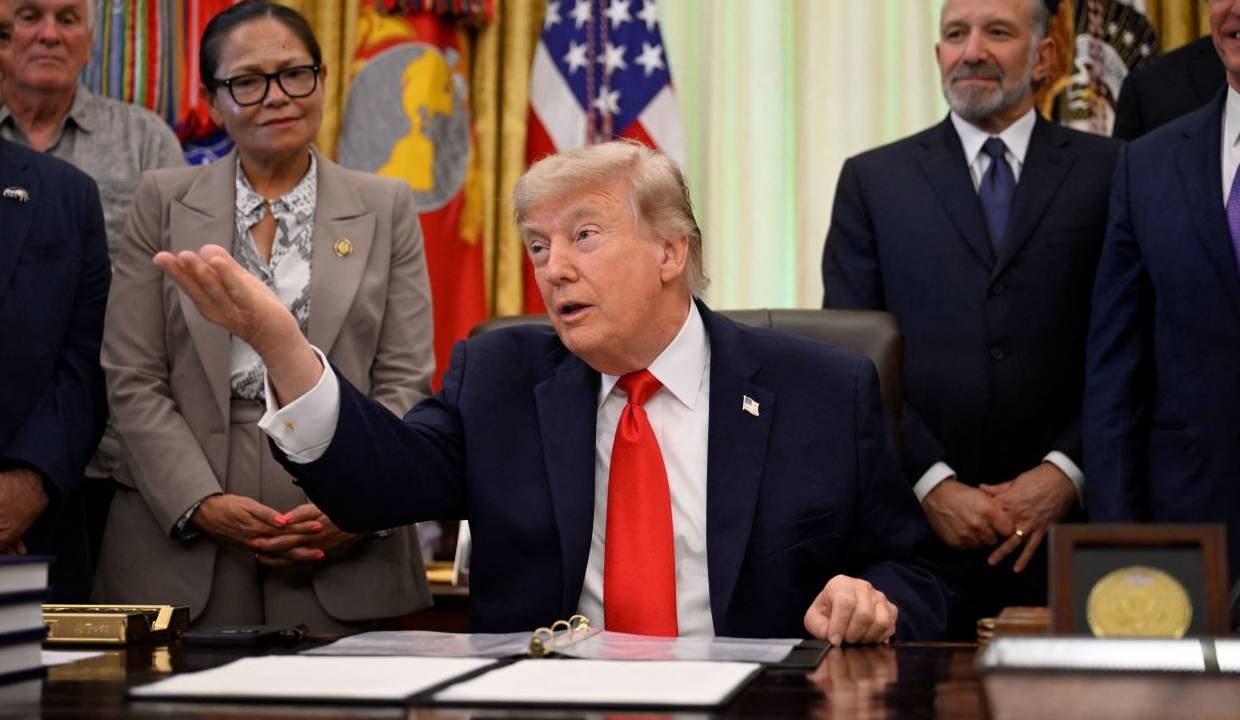
Tensions in the Middle East remained dangerously high on May 5, 2026, despite the Trump administration insisting that the fragile ceasefire with Iran is still intact. U.S. Defense Secretary Pete Hegseth and Joint Chiefs Chairman Dan Caine stated that recent Iranian actions have not crossed the threshold of “major combat operations.”
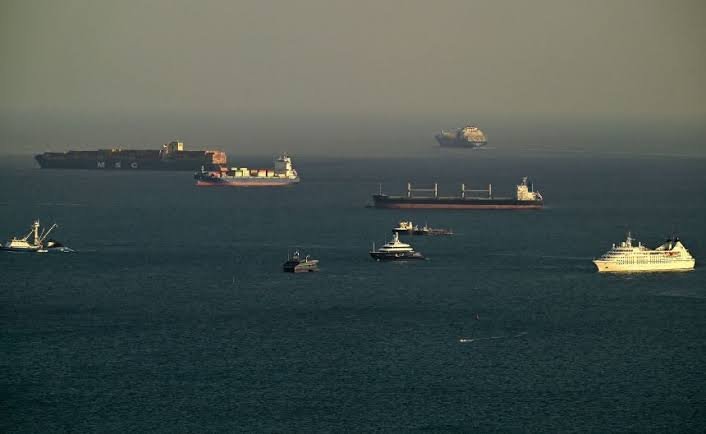
Speaking at the Pentagon, Caine revealed that since the ceasefire announcement, Iran has launched attacks on commercial shipping vessels nine times, seized two container ships, and targeted U.S. forces more than ten times. However, according to Washington, these actions are still considered below the level that would officially restart full-scale conflict.
Meanwhile, the situation in the Gulf region continues to deteriorate. The defense ministry of the United Arab Emirates confirmed that the country intercepted multiple Iranian ballistic missiles, cruise missiles, and drones on Tuesday evening. Residents in several parts of the UAE reported hearing explosions linked to air defense operations.
The United States is also attempting to secure the strategically vital Strait of Hormuz through the creation of an “enhanced security area.” Iranian officials strongly criticized the move, accusing Washington of increasing instability in the region and warning that Tehran would respond if necessary.
At the diplomatic level, Marco Rubio is scheduled to travel to Italy and Vatican City this week. His mission aims to reduce tensions between President Donald Trump and Pope Leo XIV, particularly regarding U.S. military operations against Iran.
Trump also commented on China and its dependence on Middle Eastern energy supplies. He noted that China receives a large portion of its oil through the Strait of Hormuz and suggested Beijing has not directly challenged his administration’s Iran strategy. However, Chinese officials have repeatedly criticized the joint U.S.-Israeli military actions against Iran.
Treasury Secretary Scott Bessent recently called on China to pressure Iran into reopening the Strait of Hormuz, indicating the issue will likely dominate Trump’s upcoming summit with Chinese President Xi Jinping in Beijing.
In South Asia, Pakistan urged both the United States and Iran to exercise restraint. During a high-level military conference chaired by Field Marshal Asim Munir, Pakistani military leaders emphasized that lasting regional peace depends on sovereignty, responsibility, and collective restraint. Pakistan has reportedly been acting as an informal mediator between Washington and Tehran.
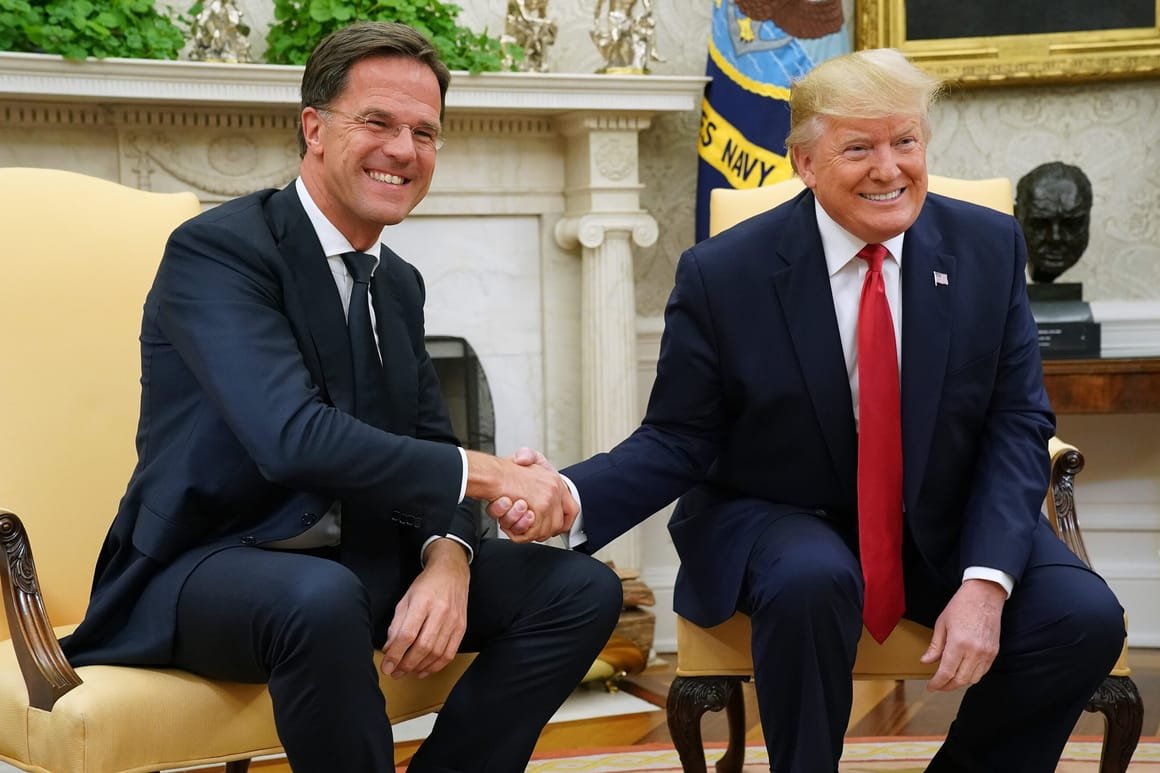
At the same time, transatlantic tensions are growing over trade policy. French President Emmanuel Macron criticized Trump’s decision to raise tariffs on European vehicles to 25%, calling the move a waste of time during an already unstable geopolitical period. Trade officials from the United States and the European Union met in Paris to discuss the escalating dispute.
Vice President JD Vance visited Iowa as speculation continues about the 2028 Republican presidential race. Vance endorsed Vivek Ramaswamy for governor and attended Republican fundraising events. However, analysts say rising fuel prices, fertilizer costs, tariffs, and the prolonged Iran conflict could complicate his political future.
American farmers, particularly in Iowa, continue to support Trump but are increasingly worried about the economic impact of the Middle East crisis and ongoing trade tensions.