U.S.-Iran tensions explode in the Strait of Hormuz
Tensions between the United States and Iran have surged once again in the strategic Strait of Hormuz, raising fears of a wider conflict as naval confrontations and direct threats escalate.

U.S.-Iran tensions explode in the Strait of Hormuz
Tensions between the United States and Iran have sharply escalated around the strategic Strait of Hormuz, placing the fragile ceasefire at serious risk of collapse.
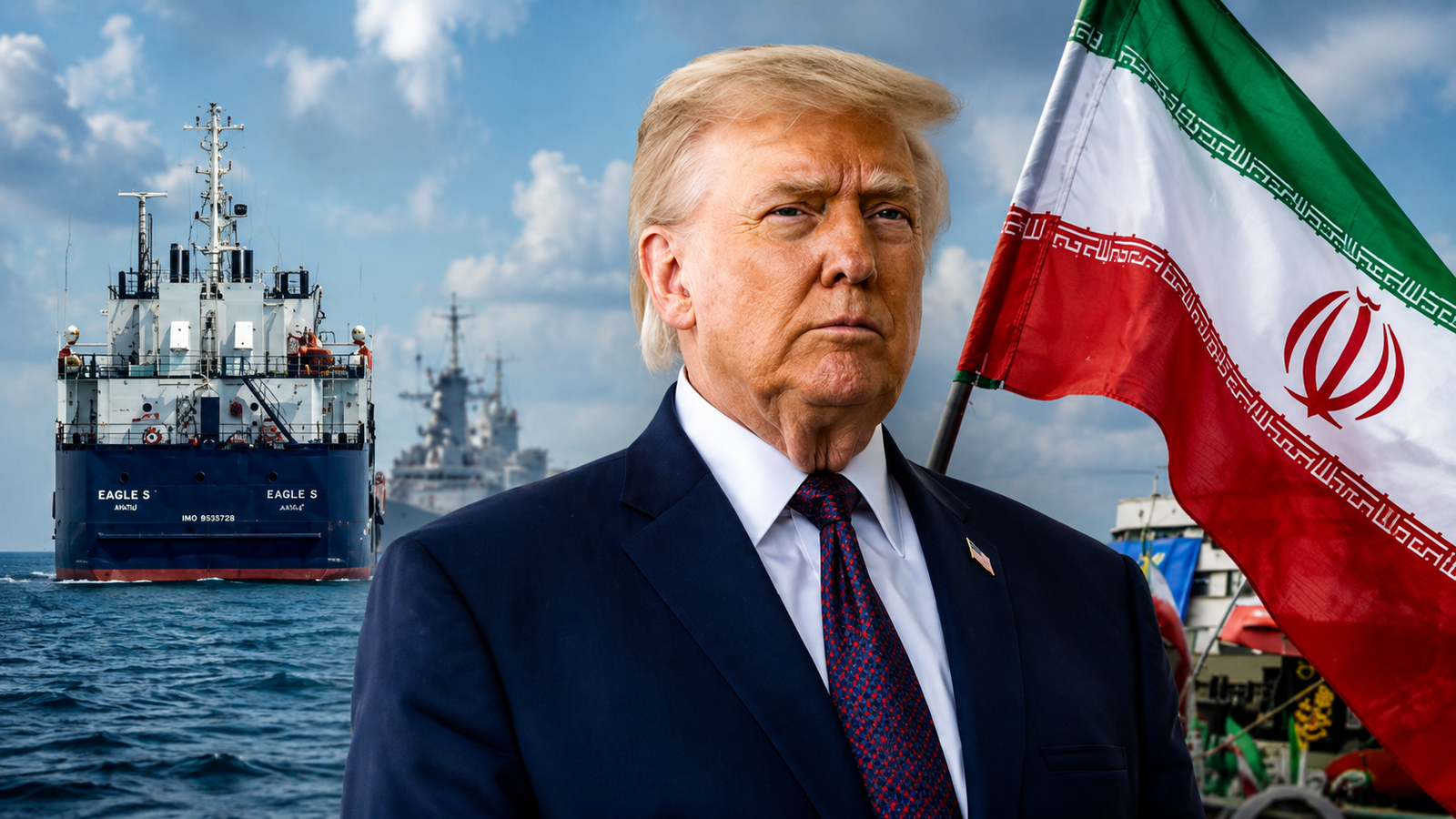
U.S. President Donald Trump announced that U.S. naval forces would begin escort missions to guide commercial vessels safely through the critical waterway. In response, Iran’s military issued a direct warning, stating that any U.S. forces entering the strait would be targeted and attacked.
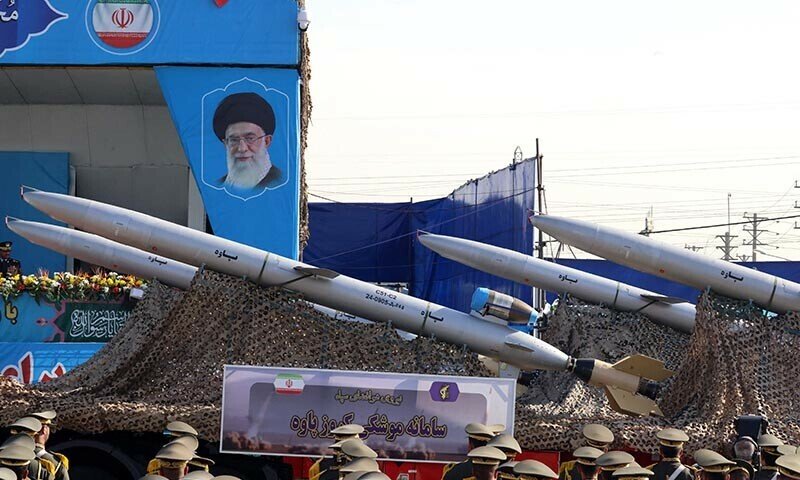
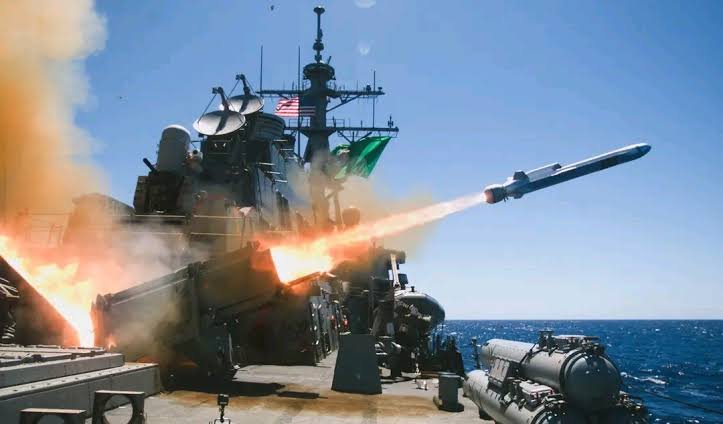
On Monday, two U.S. Navy destroyers—USS Truxtun and USS Mason—came under coordinated attack while transiting the strait. According to reports, Iranian forces used missiles, drones, and fast attack boats in what U.S. officials described as a “sustained barrage.”
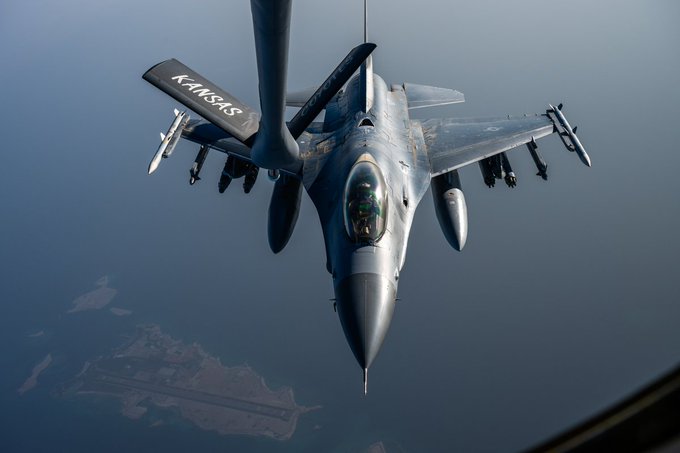
Despite the intensity of the assault, U.S. forces reported that all incoming threats were successfully intercepted or deterred, and neither vessel sustained damage. Fighter aircraft and AH-64 Apache helicopters were deployed to support the destroyers during the incident.
A day earlier, the British maritime trade authority reported that a commercial vessel was attacked by multiple small craft just 11 miles off Iran’s coast, raising concerns over the safety of civilian shipping in the region.
Meanwhile, the United States continues its naval blockade on Iranian ports. U.S. Central Command confirmed that at least 49 vessels have already been redirected, signaling potential disruptions to global trade routes.
The ongoing ceasefire now faces its most serious challenge. Diplomatic efforts remain stalled, with Trump rejecting Iran’s 14-point proposal. Senior U.S. officials have indicated that Washington is moving closer to resuming large-scale military operations against Iran.
Regional tensions are also intensifying. The United Arab Emirates remains on high alert, while recent Iranian strikes have reportedly injured three Indian nationals.
Iran’s Foreign Minister Abbas Araghchi warned that the situation could escalate into a prolonged conflict, although he noted that diplomatic discussions are still making progress.
Analysts emphasize that the Strait of Hormuz is one of the world’s most critical energy chokepoints, with approximately 20% of global oil supply passing through it. Any escalation in the region could trigger a global energy crisis, rising fuel prices, and major disruptions in international trade.