US-Iran Reach Historic Agreement; Strait of Hormuz to Reopen, Oil Prices Fall
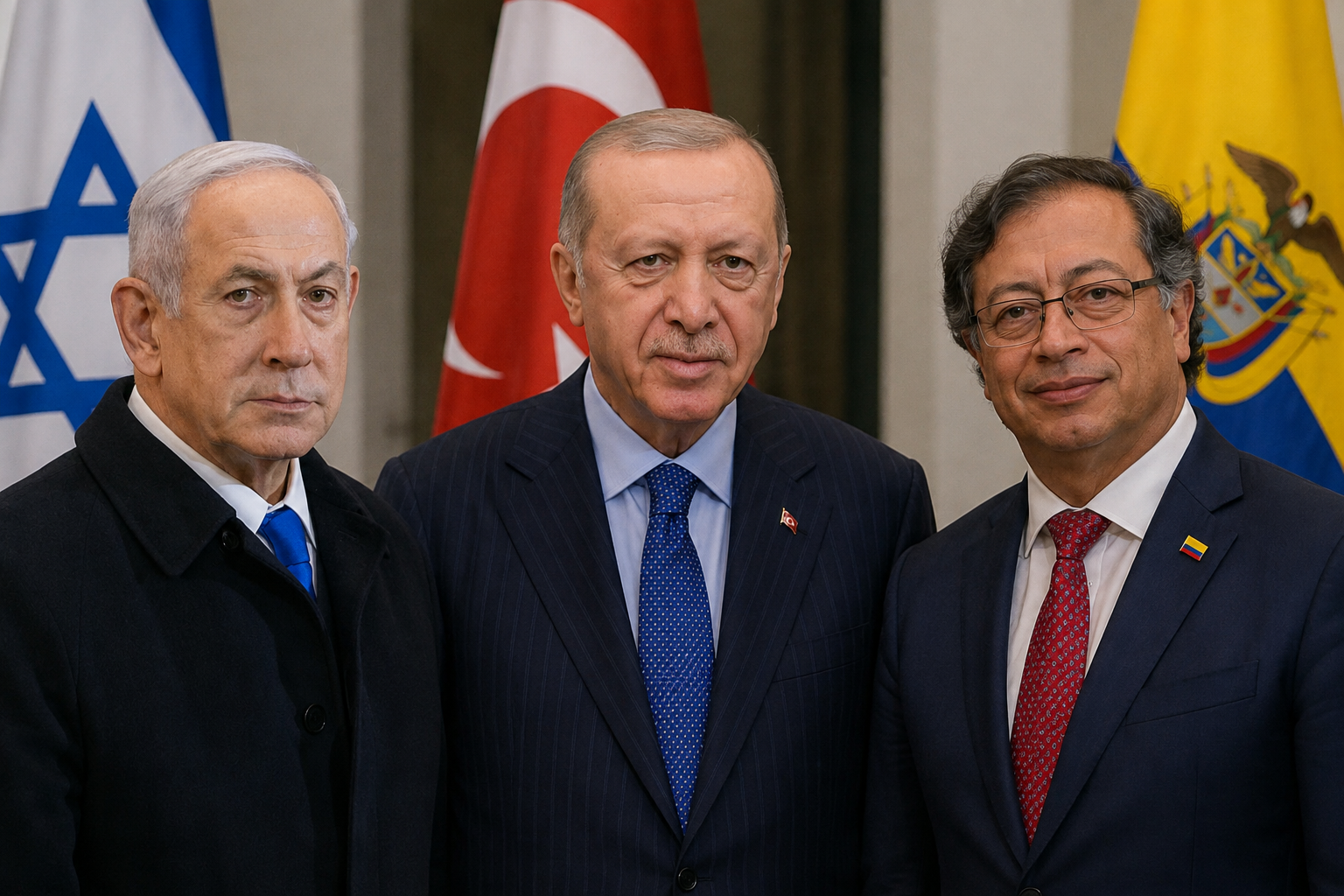
Earlier Sunday, Israeli airstrikes targeted locations in Beirut, raising concerns that the attacks could derail ongoing diplomatic efforts. President Trump publicly criticized Israeli Prime Minister Benjamin Netanyahu, describing him as “a very difficult guy.”

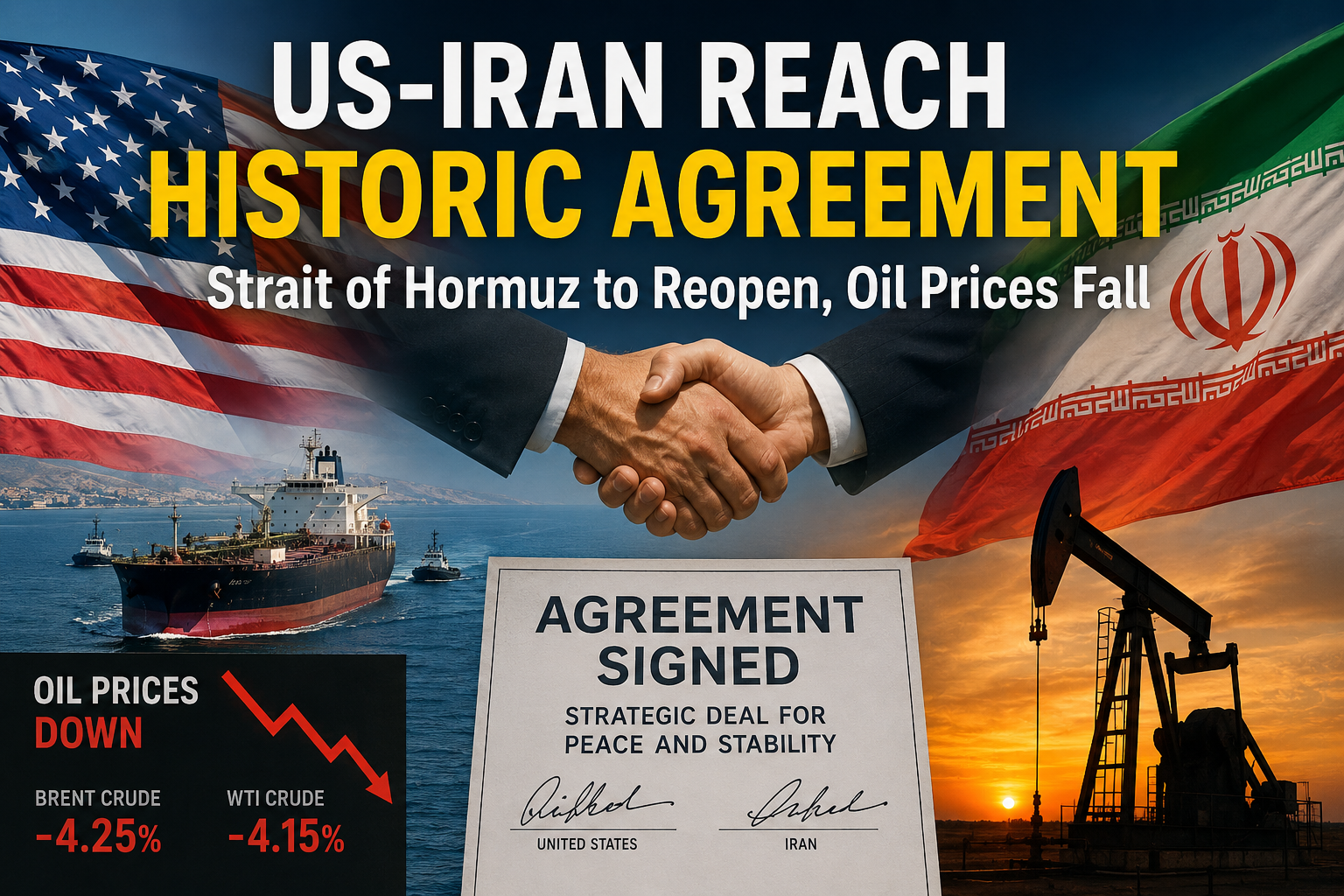
US-Iran Reach Historic Agreement; Strait of Hormuz to Reopen, Oil Prices Fall
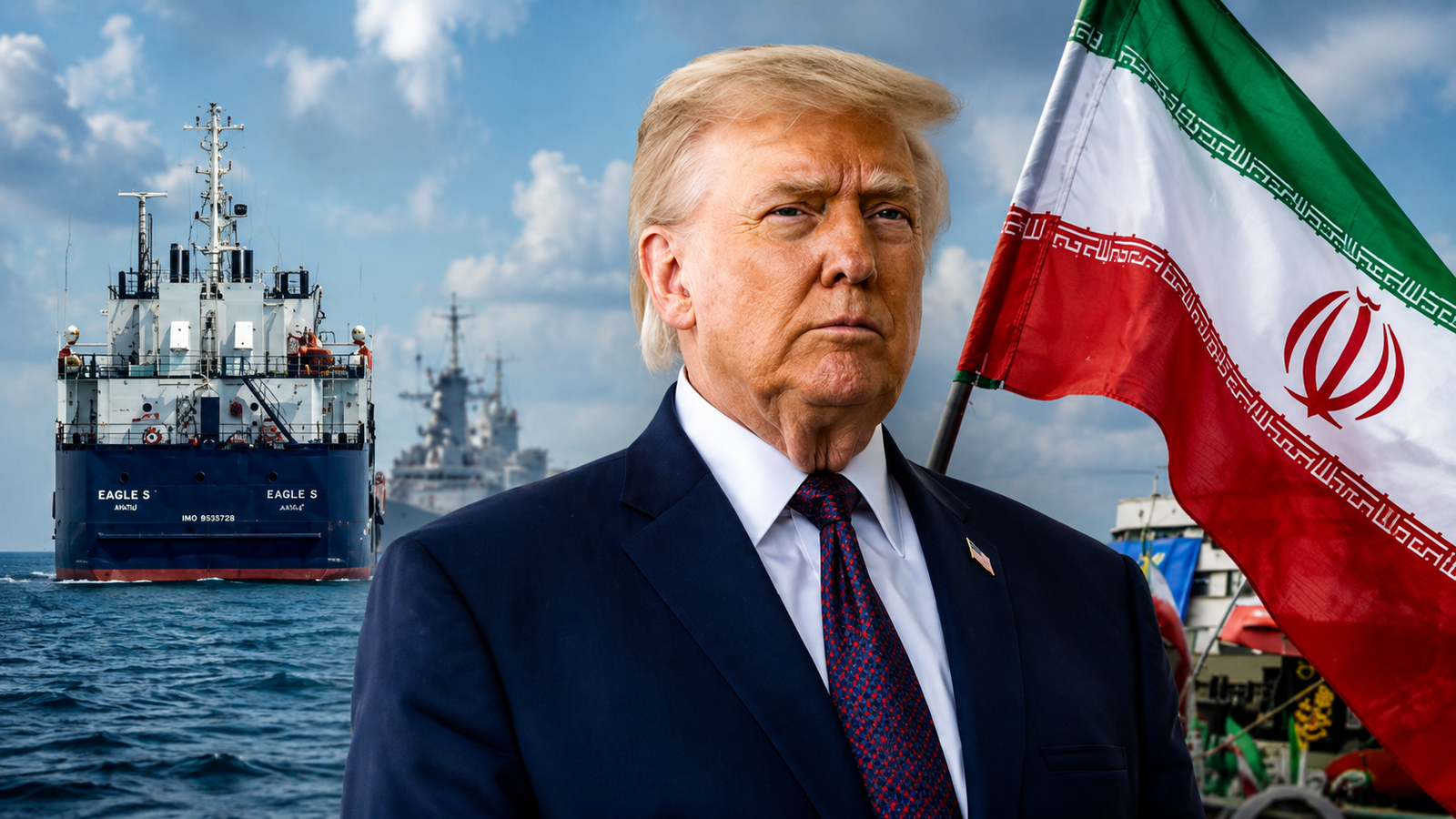
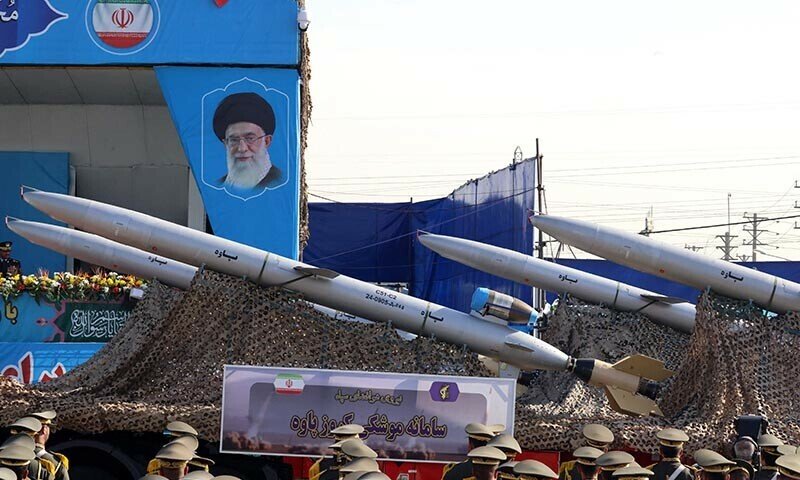
In a major diplomatic breakthrough after months of conflict and rising tensions, the United States and Iran have announced a framework agreement that includes the reopening of the strategically vital Strait of Hormuz.
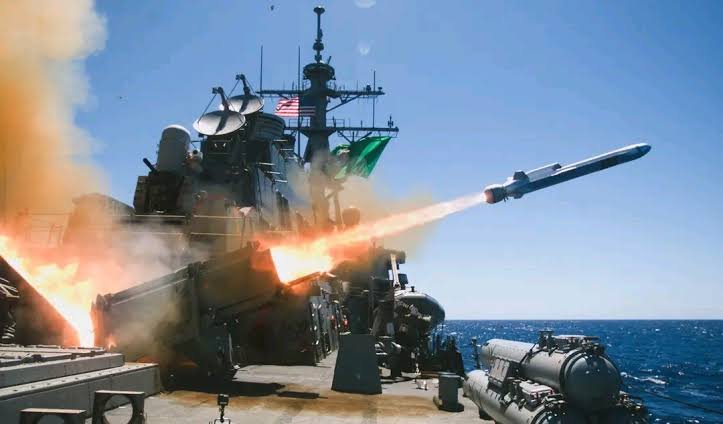
US President Donald Trump said the United States would lift its naval blockade of Iranian ports and authorize the reopening of the Strait of Hormuz to international shipping. The full text of the agreement has not yet been released, but officials from both countries confirmed that a Memorandum of Understanding has been finalized and is expected to be formally signed in Switzerland on Friday.
The agreement is widely viewed as the most significant development in US-Iran relations in years and could pave the way for broader negotiations on Iran’s nuclear program, sanctions relief, and regional security issues.
Conflicting Views on Next Steps
Iranian officials say further negotiations will begin after the release of billions of dollars in frozen Iranian funds. However, US officials have disputed that claim, highlighting ongoing differences over implementation.
Reports indicate that the memorandum will launch a 60-day negotiation process aimed at reaching a more comprehensive peace and security arrangement.
Israel Yet to Respond
The Israeli government has not officially commented on the agreement.
Earlier Sunday, Israeli airstrikes targeted locations in Beirut, raising concerns that the attacks could derail ongoing diplomatic efforts. President Trump publicly criticized Israeli Prime Minister Benjamin Netanyahu, describing him as “a very difficult guy.”
Oil Markets React Positively
Global energy markets responded immediately to the announcement.
Brent crude prices fell more than 4%, while US West Texas Intermediate (WTI) crude also declined sharply as traders anticipated the restoration of oil flows through the Strait of Hormuz. Analysts say the reopening of the waterway could significantly ease global supply concerns and reduce inflationary pressure linked to energy costs.
Why the Strait of Hormuz Matters
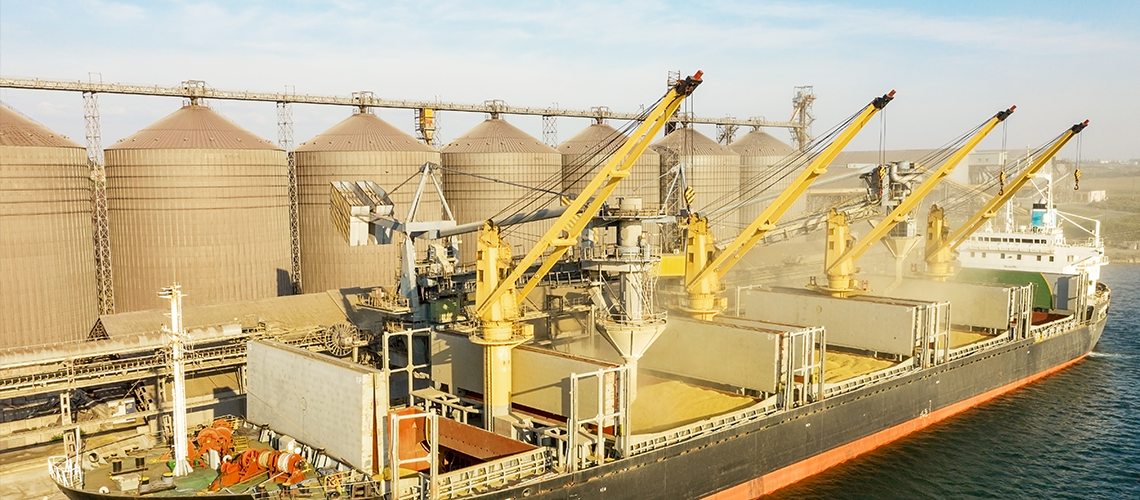
The Strait of Hormuz is one of the world's most important energy transit routes, carrying a substantial share of global oil and natural gas exports. Its closure over recent months contributed to market volatility, higher fuel prices, and concerns about global economic growth.
The reopening of the strait is expected to restore confidence in international energy markets and could mark the beginning of a broader de-escalation across the Middle East.