A Territory in Turmoil: What the Protests in PoJK Are Telling the World
Pakistan has long maintained in international forums that Kashmir is a “disputed territory,” where Kashmiris under Indian rule are deprived of their rights, voice, and future. From the United Nations to bilateral meetings with Western countries and various multilateral forums, Islamabad has consistently advanced this position

A Territory in Turmoil: What the Protests in PoJK Are Telling the World
Pakistan has long maintained in international forums that Kashmir is a “disputed territory,” where Kashmiris under Indian rule are deprived of their rights, voice, and future. From the United Nations to bilateral meetings with Western countries and various multilateral forums, Islamabad has consistently advanced this position.
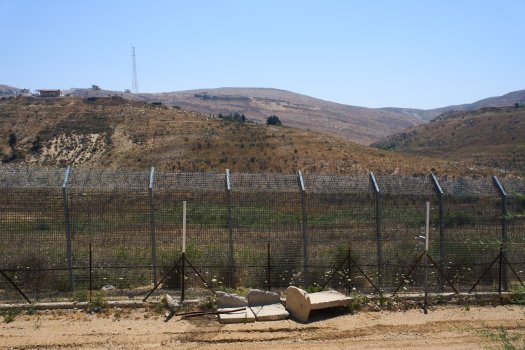
But what is happening now in Pakistan-controlled Jammu and Kashmir (PoJK) is putting that very narrative under scrutiny.
Since the beginning of June, clashes between Pakistani security forces and protesters have left seven people dead and more than 70 injured, according to official figures. However, reports in various international media outlets put the death toll at around 27 and the number of injured at nearly 200.
The Movement Began with Public Anger
This movement did not emerge overnight. It began in 2023, when ordinary people took to the streets to protest inflated electricity bills and the high prices of essential wheat and flour. This was not a political conspiracy; rather, it was an expression of the frustration of people who could no longer bear the cost of living.
In 2025, the Joint Awami Action Committee (JAAC), formed by businesspeople, lawyers, transport workers, students, and representatives of civil society, gave shape to this discontent in the form of a 38-point charter of demands. Their demands included economic subsidies, good governance, accountability for corruption, and fairer political representation—demands that could be seen as entirely natural for ordinary citizens.
However, the Pakistani government declared JAAC a banned organization under anti-terrorism laws. Its leaders were arrested, bounties were announced against them, communication networks were restricted, and security forces were deployed. The human rights organization Amnesty International described this crackdown as unlawful and disproportionate, and raised allegations of excessive force and the suppression of fundamental rights.
New Delhi’s Perspective
From India’s point of view, the developments in Pakistan-controlled Jammu and Kashmir are not merely geopolitical. According to India’s constitutional position, the entire region of Jammu and Kashmir, including Pakistan-controlled areas, is an integral part of India. In that context, New Delhi considers the people of this region to be its own citizens and has been condemning the violence.
India has long argued that Pakistan has prioritized maintaining control over the welfare of the people in the region. In India’s view, behind the rhetoric of Kashmiri solidarity lies political marginalization, economic exploitation, and the influence of Pakistani state institutions.
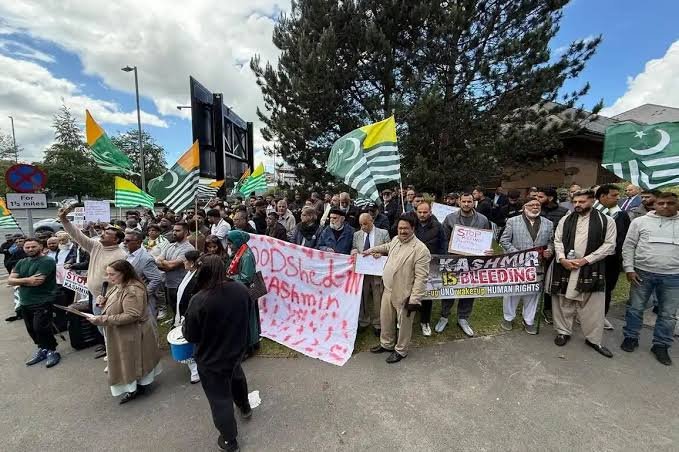
According to the author, there is no need to restate this argument separately at present, because the people of PoJK themselves are voicing their demands and grievances. Thousands gathered in Rawalakot demanding accountability and civil rights, Kashmiri diaspora members in the United Kingdom also staged protests, and some British parliamentarians expressed concern.
Comparing the Realities of the Two Regions
The article claims that elections have recently been held in Jammu and Kashmir under Indian administration and that democratic institutions are functioning there. By contrast, in PoJK, an organization protesting for flour and electricity subsidies has been banned under anti-terrorism laws, its leaders are being targeted, and protesters are facing harsh measures.
According to the author, the international community is observing these two contrasting pictures and drawing its own conclusions.
What This Moment Suggests
In the conclusion, the author argues that the people of PoJK are not demanding independence from India, but rather affordable electricity, accountable governance, and the right to organize peacefully. In the author’s words, the very promise of self-determination that Pakistan has spoken of for years is now being voiced against Pakistan itself in the current movement.
At the same time, the author notes the long-standing ties of language, culture, and history between Kashmiris on both sides of the Line of Control. In the author’s view, the events of 2026 show that political narratives must ultimately answer to the people they claim to represent.
Author: Rashi Randev, a Canada-based geopolitical analyst and PhD holder in International Relations from Jawaharlal Nehru University.