Strait of Hormuz Remains Uncertain Despite Increase in Ship Traffic
Ship traffic through the Strait of Hormuz has begun to recover after Iran and the United States reached an interim agreement to end their conflict, but uncertainty over control of the strategic waterway and the possibility of future tolls continues to cloud prospects for lasting stability

Strait of Hormuz Remains Uncertain Despite Increase in Ship Traffic
Ship traffic through the Strait of Hormuz has begun to recover after Iran and the United States reached an interim agreement to end their conflict, but uncertainty over control of the strategic waterway and the possibility of future tolls continues to cloud prospects for lasting stability.
Over the weekend, Tehran claimed it had reclosed the strait following Israel’s latest attacks on Lebanon, while Washington disputed the assertion. Maritime tracking data indicated that vessels continued to pass through the waterway, although at levels well below prewar averages.
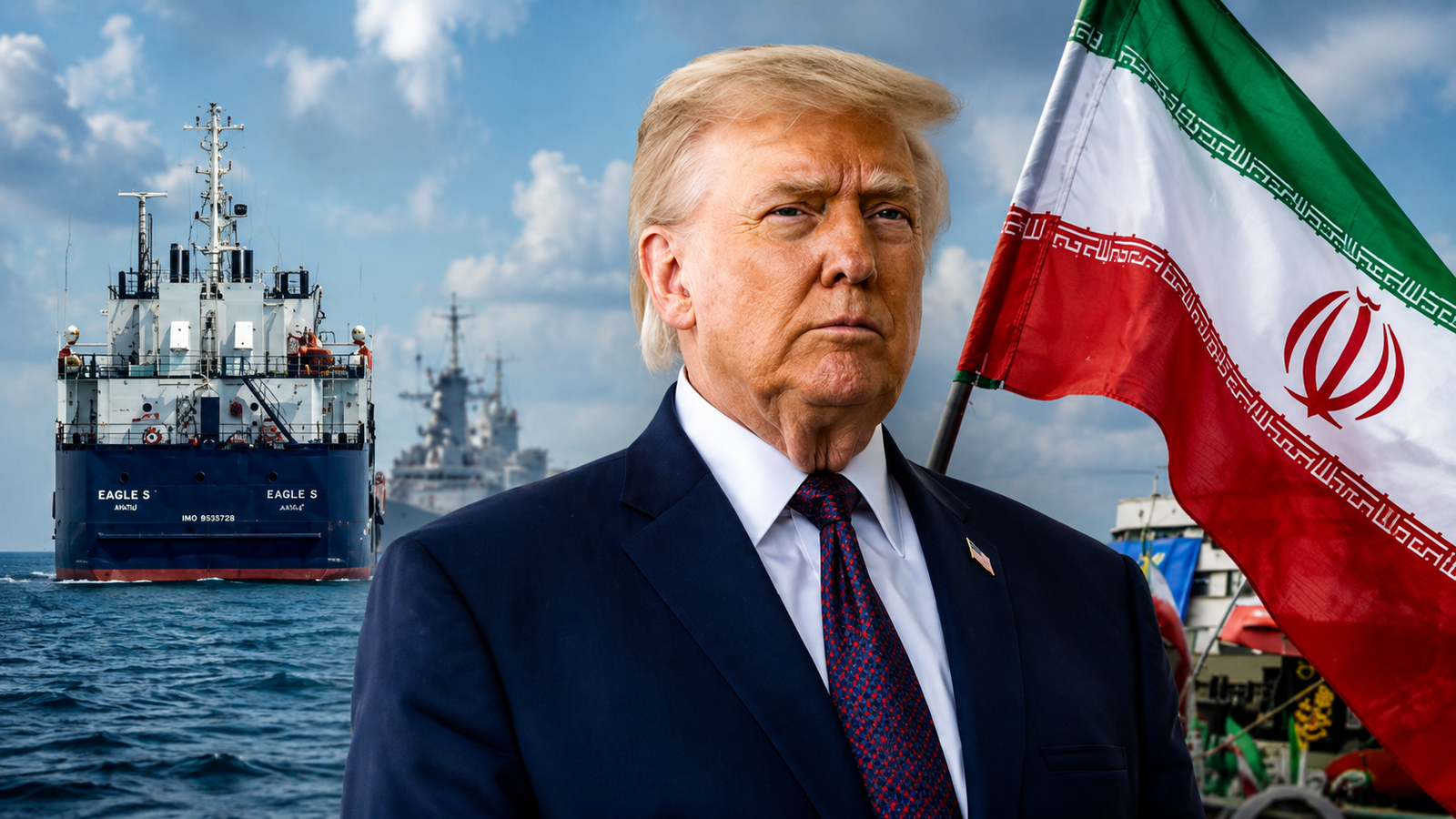
U.S. President Donald Trump suggested that the United States could impose its own transit fees if negotiations with Iran fail to produce a final agreement within the 60-day window. Before the conflict, ships crossed the strait without tolls, but Iran has since established a new authority to oversee vessel registration and potential fee collection.
Although Iran is temporarily managing the Strait of Hormuz under the interim memorandum of understanding, it has agreed not to charge tolls for 60 days while discussions continue with Oman and other Gulf states over the future administration of the waterway.
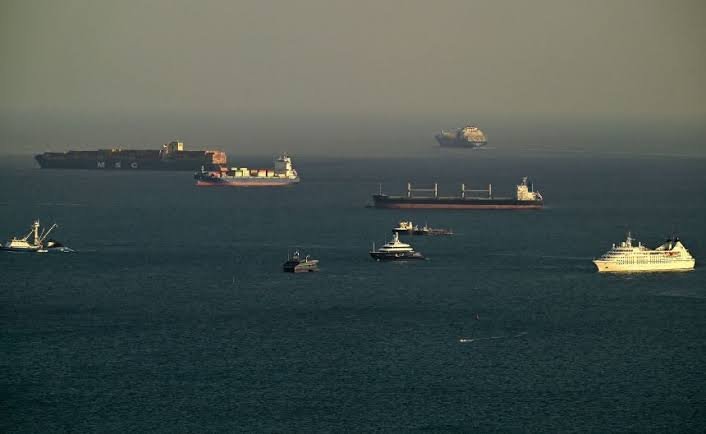
Shipping activity remains below normal levels. According to maritime analytics firm Kpler, only 131 ships transited the strait between Friday and Monday, compared with roughly 100 to 130 vessels per day before the conflict. The main central channel remains mined and closed, forcing ships to use alternative northern and southern routes.
Legal experts argue that imposing mandatory transit tolls would violate the long-established principle of freedom of navigation under international maritime law. They maintain that ships exercising their right of transit passage through international straits cannot lawfully be charged simply for crossing.
Despite the ceasefire framework, insurers and shipping companies remain cautious. Analysts warn that restoring the flow of oil, natural gas, fertilizer, and other commodities to prewar levels could take months, particularly if uncertainty over governance and toll policies persists.