Iran’s Closure of Strait of Hormuz Threatens Global Energy Supply, Puts Pressure on Russia and China
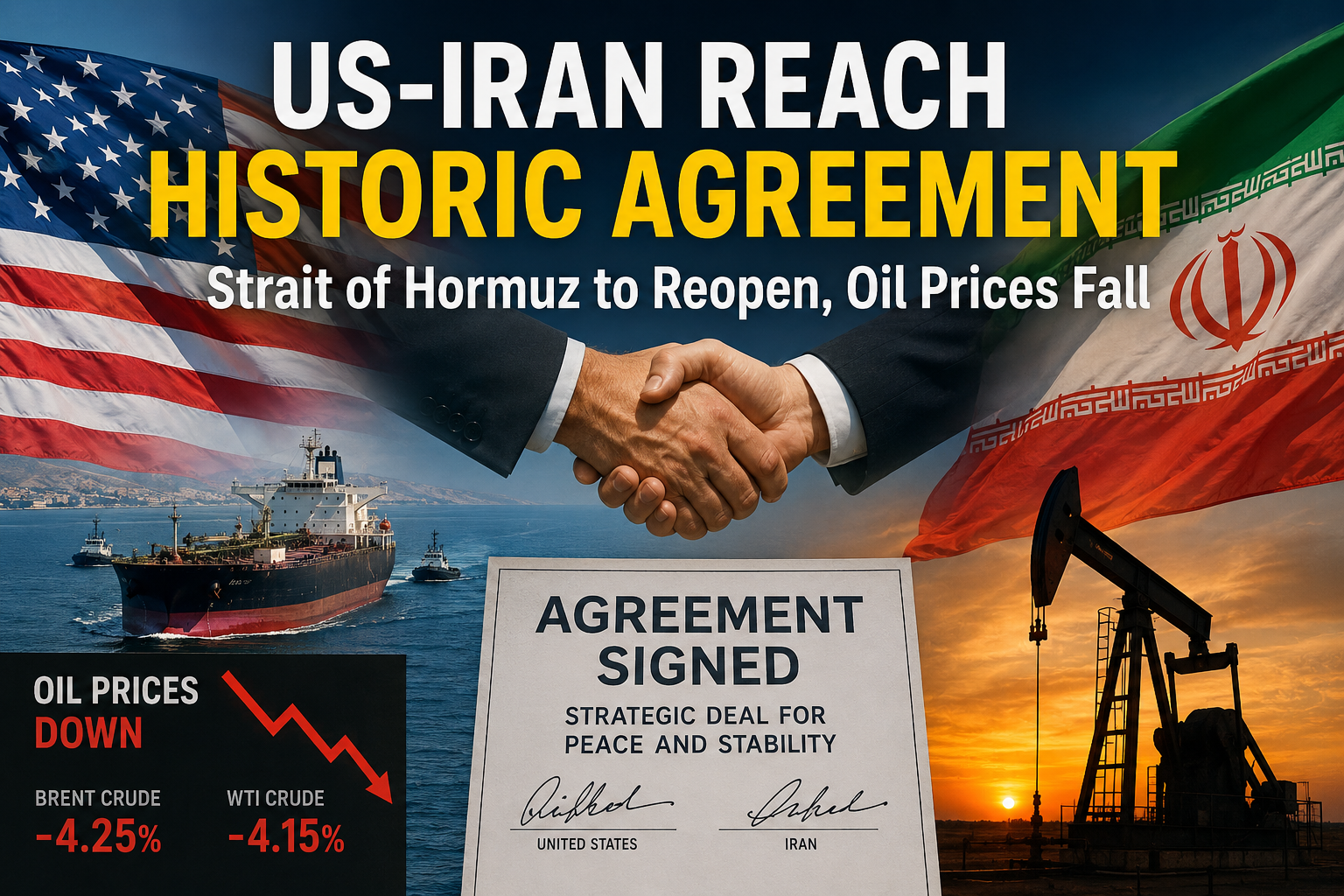
A dramatic escalation in the Middle East energy conflict is unfolding after Iran announced the closure of the strategically vital Strait of Hormuz, raising fears of major disruptions to global oil supply and increasing pressure on Russia and China’s energy networks.

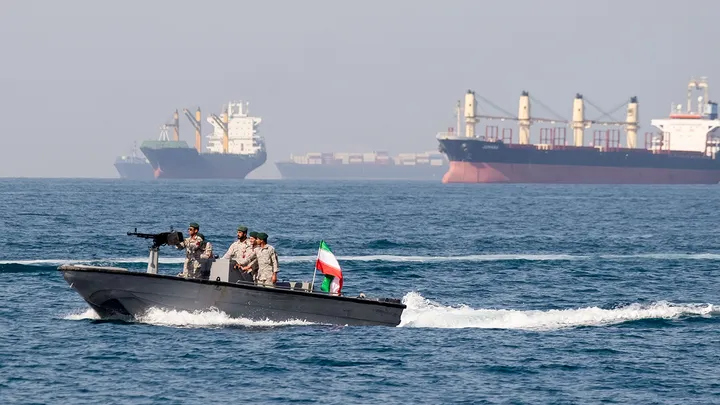
Iran’s Closure of Strait of Hormuz Threatens Global Energy Supply, Puts Pressure on Russia and China
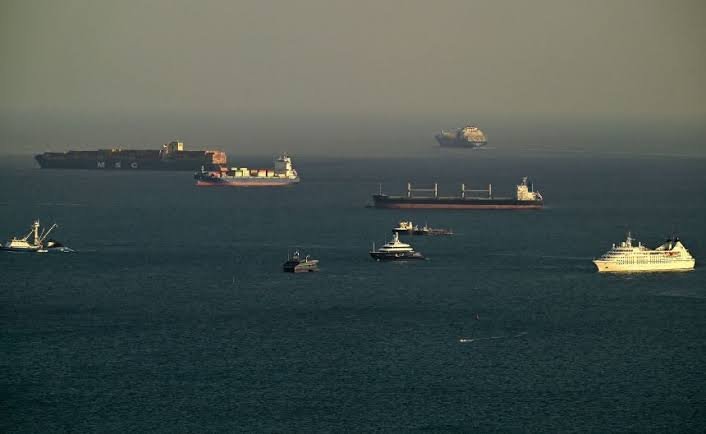
Tehran declared the closure of the Strait of Hormuz earlier this week, warning that vessels attempting to pass through the narrow shipping corridor could face missile attacks or destruction.
The strait lies between Iran’s Hormuz Island and the Omani enclave of Khasab and is one of the world’s most critical energy chokepoints. Nearly a fifth of the world’s oil shipments typically pass through the narrow waterway each day.
Following the announcement, commercial tanker traffic through the strait dropped sharply as shipping companies and merchant crews feared potential missile strikes amid escalating military tensions.
However, the disruption is not limited to commercial shipping alone. The conflict is also affecting the so-called “shadow fleet” — a network of tankers operating with concealed ownership, false flags, or unclear registration used by heavily sanctioned countries to transport oil.
These fleets are frequently linked to nations such as Russia, Iran, and Cuba, which rely on covert shipping routes to bypass Western sanctions.
Western governments have begun intensifying operations against these vessels.
In one major development, the military of Belgium intercepted a tanker identified as MT Ethera in the North Sea.
Belgian Defense Minister Theo Francken confirmed that the ship was escorted to the port of Zeebrugge and would be seized by authorities as part of a mission known as Operation Blue Intruder.
Reports suggest the tanker may be linked to a family network connected to senior Iranian political adviser Ali Shamkhani.
According to intelligence sources, members of the Shamkhani family allegedly control several vessels that may facilitate covert oil trade involving Iran and Russia.
Meanwhile, Western countries are also tightening enforcement of the so-called Ural oil price cap, a mechanism designed to limit the global sale price of Russian crude oil to reduce Moscow’s revenue from energy exports.
The price cap was recently reduced to approximately $44 per barrel in an attempt to further squeeze Russia’s war financing amid the ongoing conflict in Ukraine.
Experts say increased pressure on shadow oil fleets could create significant problems for countries heavily dependent on these networks.
China, for instance, reportedly imports substantial volumes of discounted Iranian oil through indirect or opaque supply routes.
If these supply chains are disrupted, analysts warn it could affect Chinese industrial production and energy security.
Russia may also face economic challenges if shadow fleet operations become more difficult, potentially reducing the funds available to support its military campaign in Ukraine.
The military dimension of the crisis has also intensified.
The United States Central Command recently released footage showing U.S. forces striking an Iranian vessel believed to be capable of launching drones.
According to U.S. naval commander Brad Cooper, more than 30 Tehran-linked vessels have been destroyed since the start of the current offensive.
At the same time, the U.S. Treasury Department has increased sanctions targeting Iran’s oil network.
The Office of Foreign Assets Control (OFAC) recently sanctioned dozens of individuals, companies, and vessels accused of facilitating illegal Iranian oil sales.
Treasury Secretary Scott Bessent said the sanctions are part of a broader strategy to apply “maximum pressure” on Iran.
According to U.S. officials, revenue from illicit oil exports is used by Tehran to fund weapons development, regional proxy groups, and other military activities.
Several ships flagged under countries including Panama, Barbados, Palau, Comoros, Iran, and Vanuatu have been identified as part of the shadow fleet transporting Iranian crude to international markets.
Analysts warn that the escalating crackdown on these covert shipping networks could significantly reshape global energy flows and raise geopolitical tensions in the months ahead.