CENTCOM strike footage sparks debate over Iran’s alleged decoy strategy
Amid rising tensions in the Middle East, the United States Central Command released video footage showing precision airstrikes on suspected military targets. However, Iranian sources claim that many of the targets destroyed in the footage were actually decoys designed to mislead U.S. and Israeli air attacks.

CENTCOM strike footage sparks debate over Iran’s alleged decoy strategy
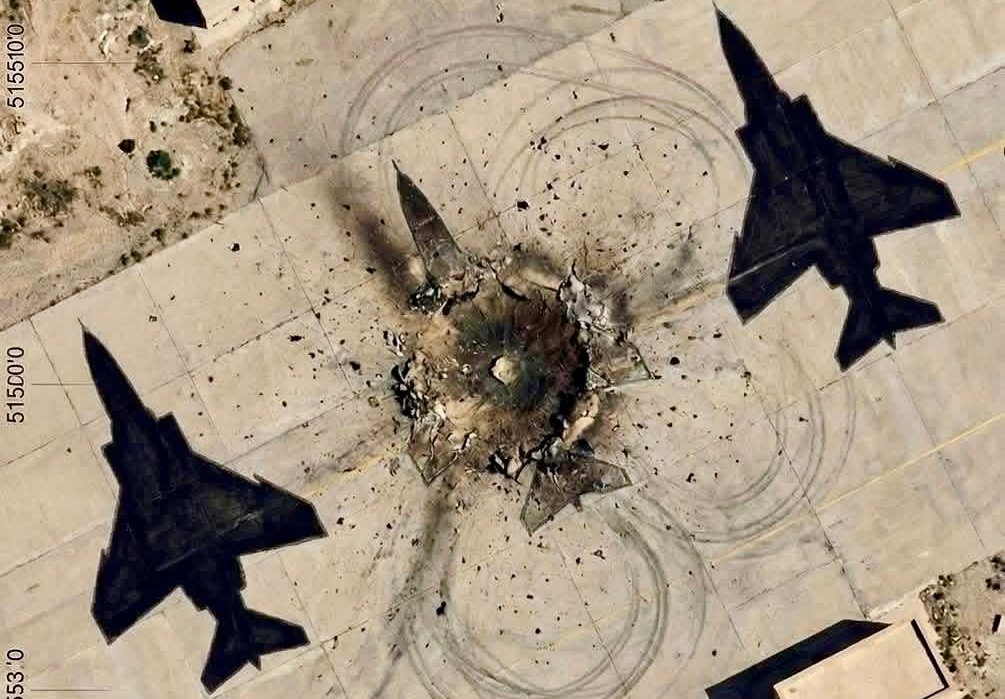
The United States Central Command (CENTCOM) recently published footage from what it described as highly precise air operations targeting military facilities and airbases. The video quickly circulated across social media, with many commentators claiming the strikes demonstrated overwhelming accuracy and operational success by U.S. forces.
However, Iranian officials have pushed back against those claims. According to Iranian statements, several of the targets shown in the footage were not real operational assets but decoys deliberately placed to confuse incoming attacks.
Military analysts note that the use of decoy tactics is common in modern warfare. Fake aircraft models, painted silhouettes, or mock structures are often placed at airbases to mislead enemy reconnaissance and airstrikes. Such tactics can cause attacking forces to waste precision-guided munitions on non-critical targets.
Iran reportedly employs this strategy across numerous airbases, deploying hundreds of decoy aircraft positions while keeping real fighter jets and key military assets in heavily protected underground facilities.
Experts say underground bases and reinforced hangars have become an increasingly important defensive measure in modern air warfare. These facilities allow countries to shield valuable aircraft and missile systems from surveillance and aerial bombardment.
As a result, analysts say it remains unclear how much strategic damage the strikes shown in the footage actually inflicted, fueling debate over the real effectiveness of the operation.