Israel strikes Iran; missile exchange heightens regional crisis
Middle East tensions surged overnight after the Israel Defense Forces launched a broad wave of strikes across Iran, triggering missile exchanges and raising fears of a wider regional conflict.


Israel strikes Iran; missile exchange heightens regional crisis
iddle East Tensions Escalate as Israel Strikes Iran, IRGC Claims Control of Strait of Hormuz
English Version
Tensions across the Middle East surged overnight after the Israel Defense Forces (IDF) carried out what it described as a “broad wave of attacks” across multiple locations in Iran. The strikes reportedly targeted strategic and military-linked sites, though full details of the damage remain unclear.
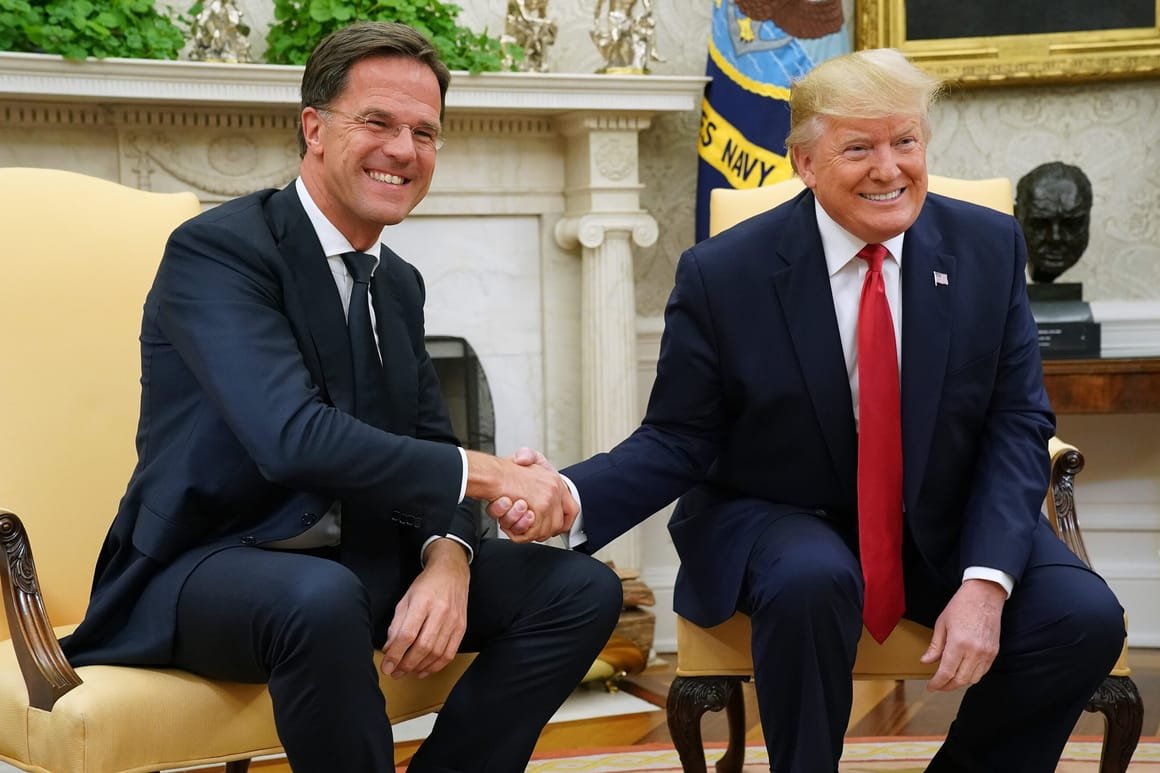
According to reports, Israeli Prime Minister Benjamin Netanyahu spoke by phone with former U.S. President Donald Trump ahead of Saturday’s strike, informing him that Iran’s Supreme Leader Ali Khamenei was expected to convene top advisers that day.
Missile Exchange and Regional Fallout
In response to the Israeli operation, Iranian forces launched missiles toward Israel. Air defense systems were activated across several Israeli regions as authorities assessed damage and casualties.
Meanwhile, clashes between the Israel Defense Forces and Hezbollah intensified along the Lebanon-Israel border. Lebanese officials reported multiple fatalities following Israeli airstrikes.
US Authorizes Departure from Cyprus
Amid rising security concerns, the United States Department of State authorized non-emergency U.S. government personnel and their families to leave Cyprus. The U.S. Embassy cited escalating safety risks linked to the expanding regional conflict.
IRGC Claims Control of Strait of Hormuz
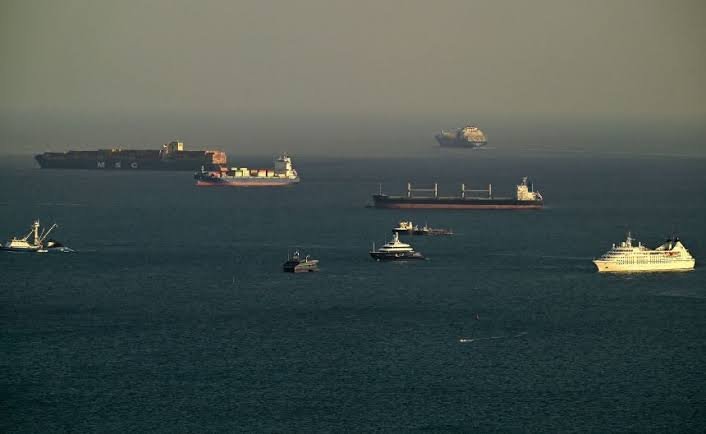
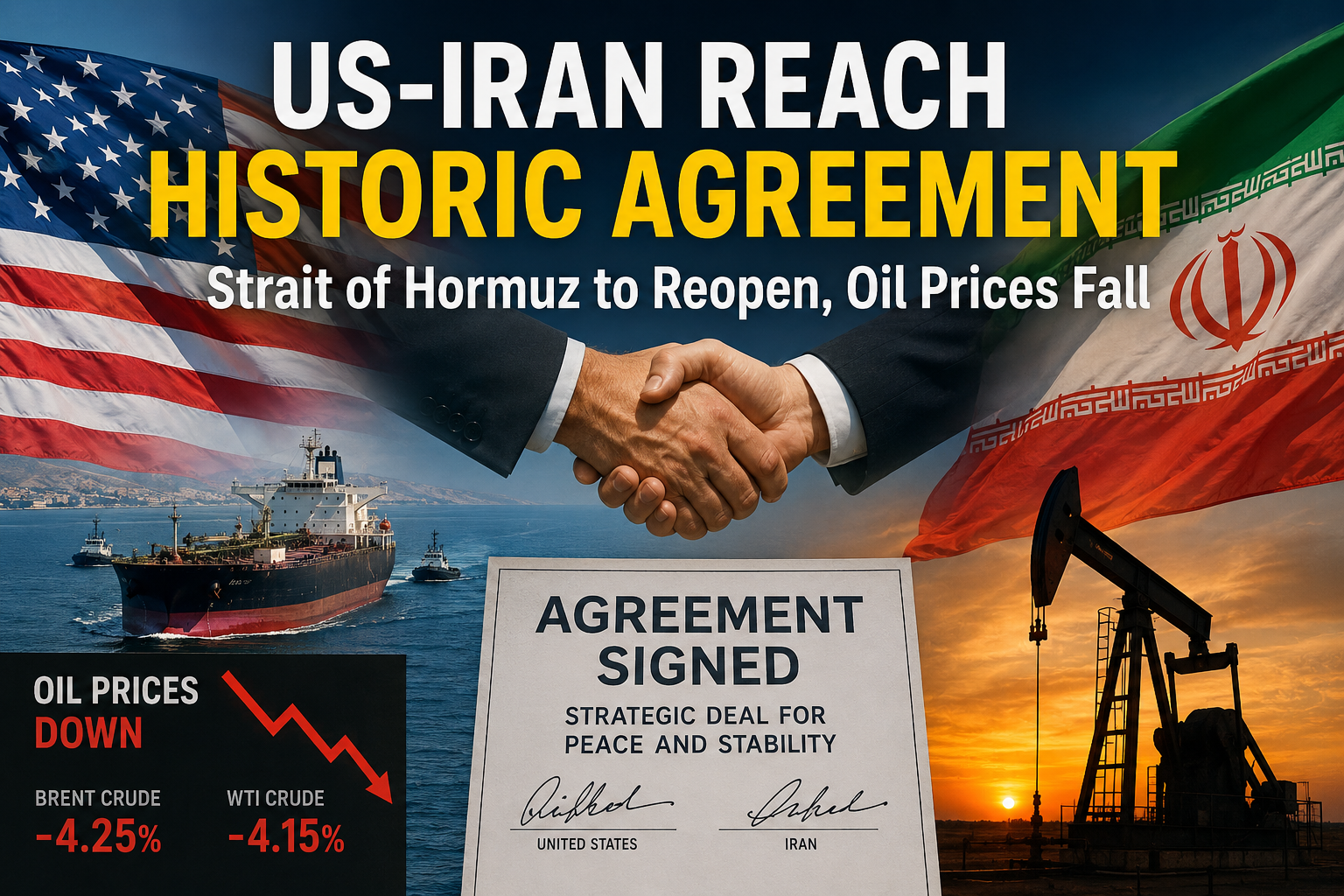
In a significant development, Iran’s Islamic Revolutionary Guard Corps (IRGC) announced it has “complete control” over the Strait of Hormuz — a critical global oil and gas shipping lane.
IRGC Navy official Mohammad Akbarzadeh warned that any vessel attempting to pass through the strait could face missile strikes or drone attacks. The waterway handles a substantial portion of the world’s energy exports, making it strategically vital.
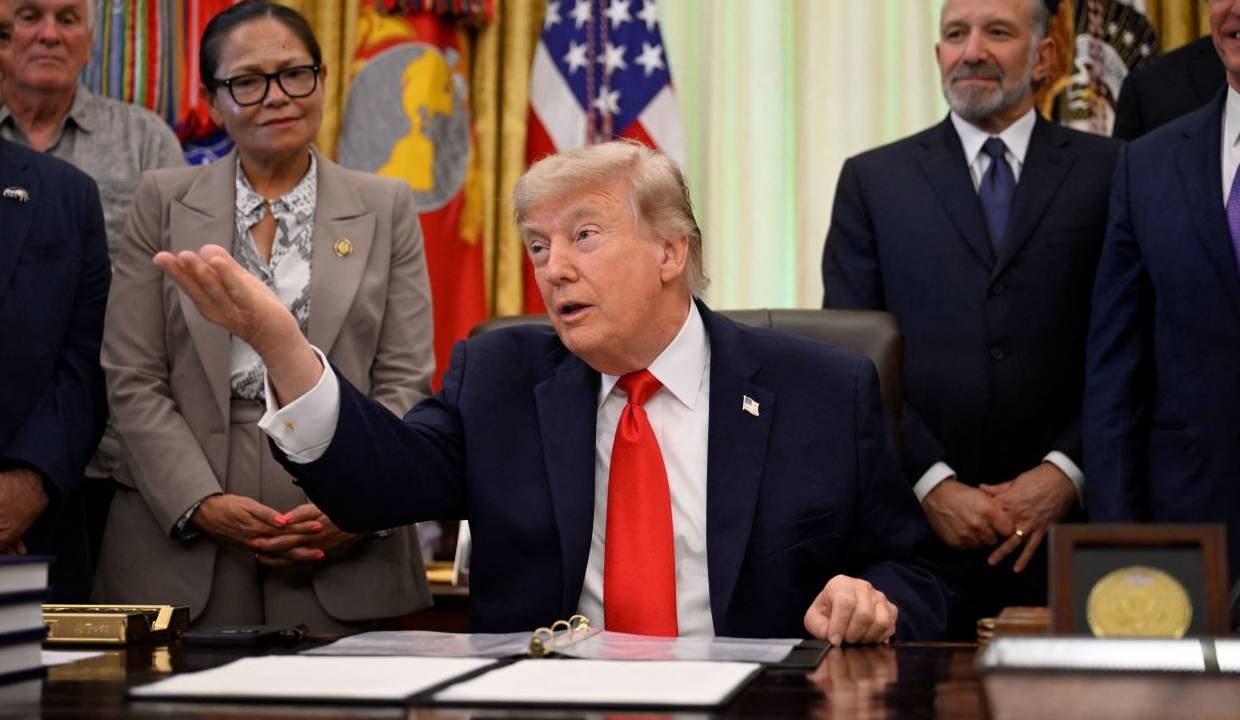
President Trump stated that the U.S. Navy stands ready to escort oil tankers through the Gulf to ensure freedom of navigation and protect global energy supply routes.
Growing Global Concerns
The developments have raised alarm internationally, with energy markets closely monitoring the situation. Analysts warn that any disruption in the Strait of Hormuz could significantly impact global oil prices and trade stability.
The situation remains fluid, with diplomatic efforts reportedly underway to prevent further escalation.