Trump: Nuclear-Armed Iran Would Be an Intolerable Threat
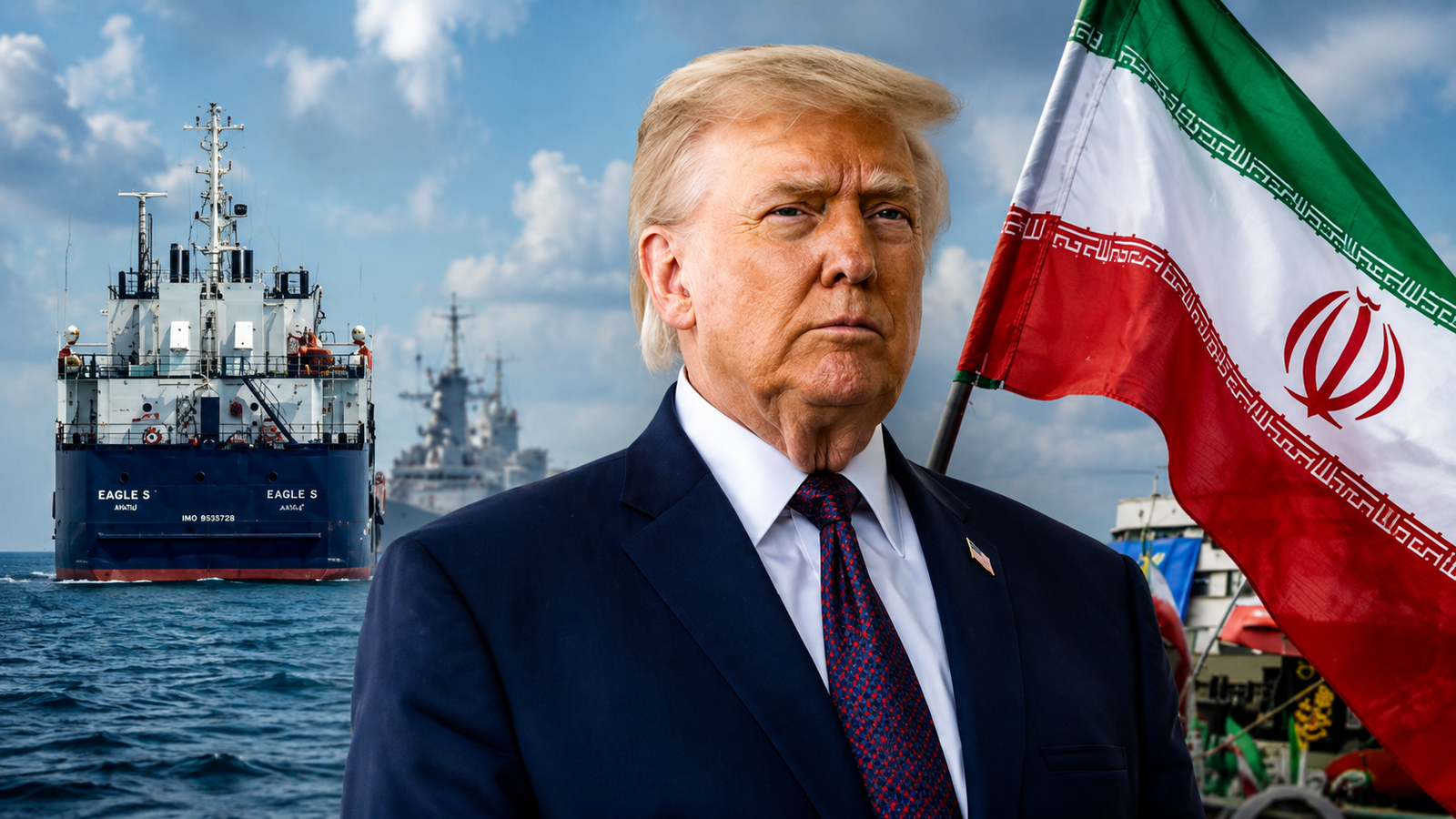
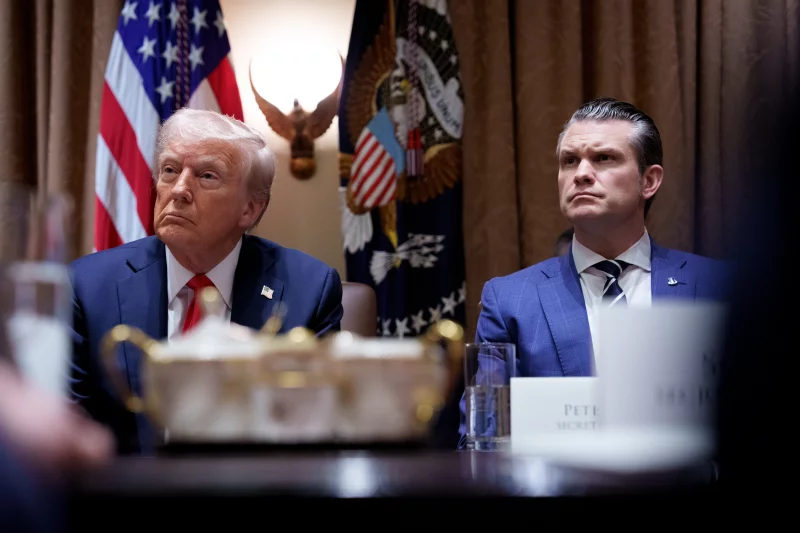
U.S. President Donald Trump delivered a forceful warning on March 2, 2026, declaring that any Iranian attempt to rebuild its nuclear infrastructure at alternative locations would face serious consequences. Framing the moment as a historic turning point since 1979, Trump argued that a nuclear-armed Iran would pose an “intolerable threat” not only to the Middle East but also directly to the American people.

Trump: Nuclear-Armed Iran Would Be an Intolerable Threat
Speaking from the White House, President Trump emphasized that the United States had previously warned Tehran against relocating or reconstructing damaged nuclear facilities.
“We warned Iran not to make any attempt to rebuild at a different location... but they ignored those warnings,” Trump said. He added that an Iranian regime equipped with long-range missiles and nuclear weapons would fundamentally destabilize the Middle East and directly threaten U.S. national security.
“Our country itself would be under threat,” he stated, underscoring the strategic risks posed by missile systems capable of reaching American allies and potentially U.S. territory.
The president described the current situation as “the generational turning point America has waited for since 1979,” referencing the year of Iran’s Islamic Revolution and the subsequent decades of strained relations between Washington and Tehran.
Meanwhile, U.S. Secretary of Defense Pete Hegseth echoed the president’s message in remarks delivered the same day. He described Iran as “a determined enemy,” but assured U.S. forces and allies that America remains prepared.
“We face a determined enemy, but you are better,” Hegseth said, signaling confidence in U.S. military readiness and deterrence capabilities.
The statements come amid heightened tensions over Iran’s nuclear program, damaged facilities, and stalled diplomatic engagement. While Washington maintains that it prefers a diplomatic resolution, officials have repeatedly stressed that all options remain on the table to prevent Iran from acquiring nuclear weapons.
Analysts say the rhetoric signals a more assertive U.S. posture, potentially combining diplomatic pressure with enhanced military deterrence across the region.