After Khamenei’s Death, Washington Questions Regime Change Prospects
Following the reported killing of Iran’s Supreme Leader Ali Khamenei, senior U.S. officials say there is no clear indication that Tehran’s ruling system will collapse in the immediate future.

After Khamenei’s Death, Washington Questions Regime Change Prospects
U.S. Officials Doubt Immediate Regime Change in Tehran After Khamenei’s Killing
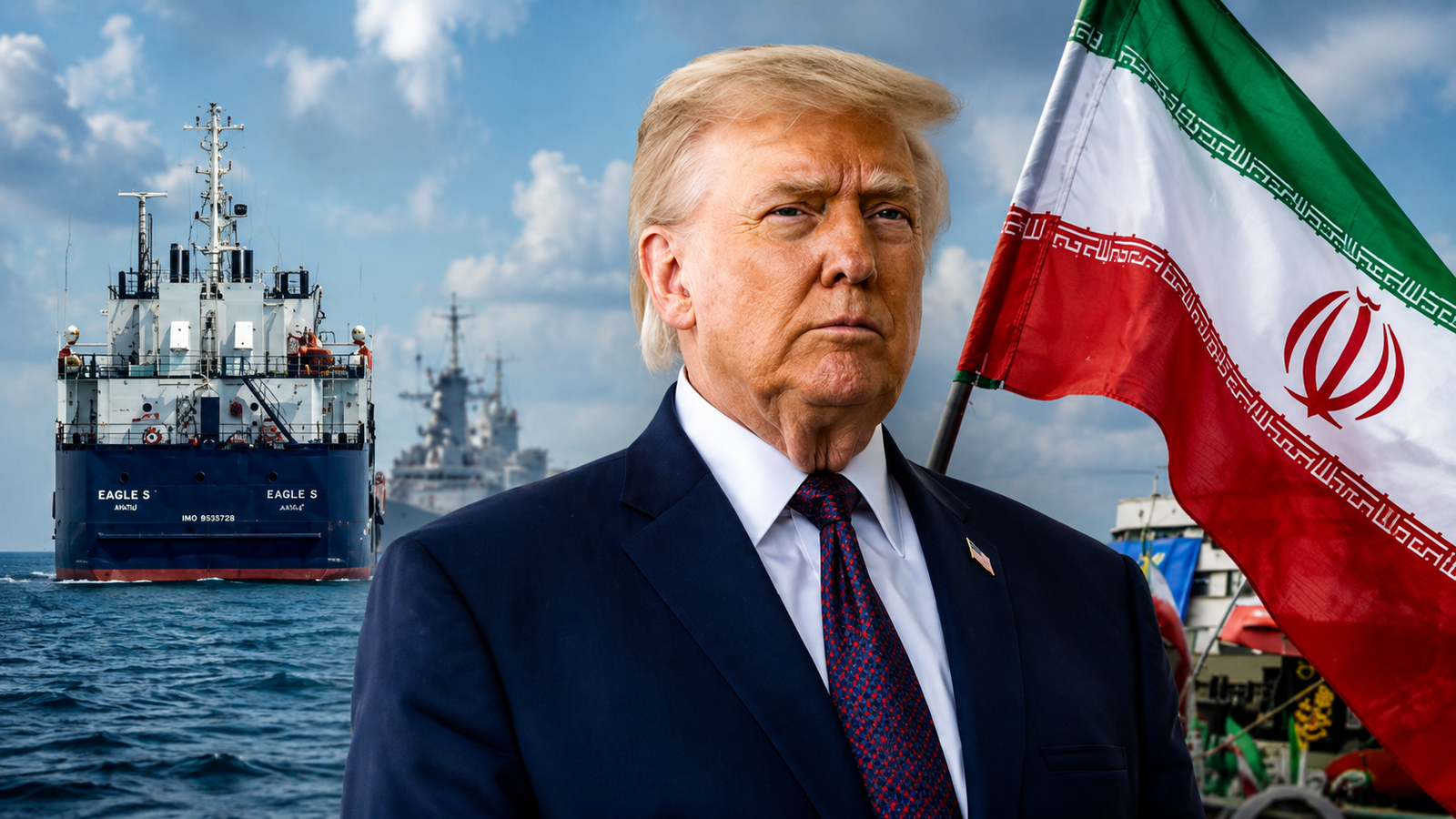
Washington / Tehran — Senior U.S. officials are expressing skepticism that the killing of Iran’s Supreme Leader Ali Khamenei will result in the swift collapse of Iran’s ruling system, despite intensified U.S. and Israeli military operations.
According to multiple sources familiar with U.S. intelligence assessments, while Washington had signaled that weakening Tehran’s leadership was among its broader objectives — alongside crippling Iran’s ballistic missile and nuclear programs — many analysts do not believe regime change is likely in the near term.
U.S. President Donald Trump publicly called on Iranians to “seize this moment” and reclaim their country, fueling speculation that leadership change could be a strategic goal. However, intelligence briefings reportedly warned that if Khamenei were removed, power could quickly shift to hard-line elements within the Islamic Revolutionary Guard Corps (IRGC) or conservative clerical figures, potentially consolidating rather than weakening the existing system.
Intelligence Concerns
Recent assessments from the Central Intelligence Agency (CIA) presented to the White House suggested that Iran’s opposition remains fragmented and severely weakened after January’s violent crackdown on nationwide protests. Notably, there were no confirmed defections from the IRGC during the unrest — a factor analysts consider critical for any successful revolution.
Officials also pointed out that the IRGC benefits from an extensive patronage network designed to ensure loyalty among its ranks, making voluntary capitulation unlikely.
Temporary Leadership Structure
In Tehran, President Masoud Pezeshkian announced that a temporary leadership council — composed of himself, the judiciary chief, and a member of the powerful Guardian Council — has assumed the Supreme Leader’s responsibilities.
Meanwhile, senior Iranian political figure Ali Larijani accused the United States and Israel of attempting to destabilize and fragment Iran, warning of harsh measures against any separatist activity.
State media reported heavy airstrikes, including damage to civilian infrastructure. These claims could not be independently verified.
Debate Without Consensus
Within Washington, discussions continue about whether Khamenei’s death could alter Iran’s nuclear negotiations stance. Officials remain divided over whether the leadership vacuum would push Tehran toward compromise or harden its position further.
Some U.S. policymakers have engaged with opposition figures such as Reza Pahlavi, the exiled son of Iran’s former monarch. However, senior officials reportedly doubt that any Washington-backed opposition leader could realistically consolidate control if the regime weakens.
Security analysts note that ultimate change would depend on whether Iran’s security forces remain loyal to the system or refuse to suppress mass public unrest.
For now, despite ongoing military pressure and internal instability, U.S. officials caution that Iran’s theocratic system — in place since 1979 — appears resilient in the immediate term. pHOTO AND NEWS SOURCE- REUTERS