The reported killing of Iran’s Supreme Leader, Ali Khamenei, has triggered sharply divided reactions inside Iran and across the Iranian diaspora. While the government has declared national mourning, segments of the population—both domestically and abroad—have expressed visible celebration, highlighting deep political and social fractures within the country.
Where Celebrations Are Being Reported
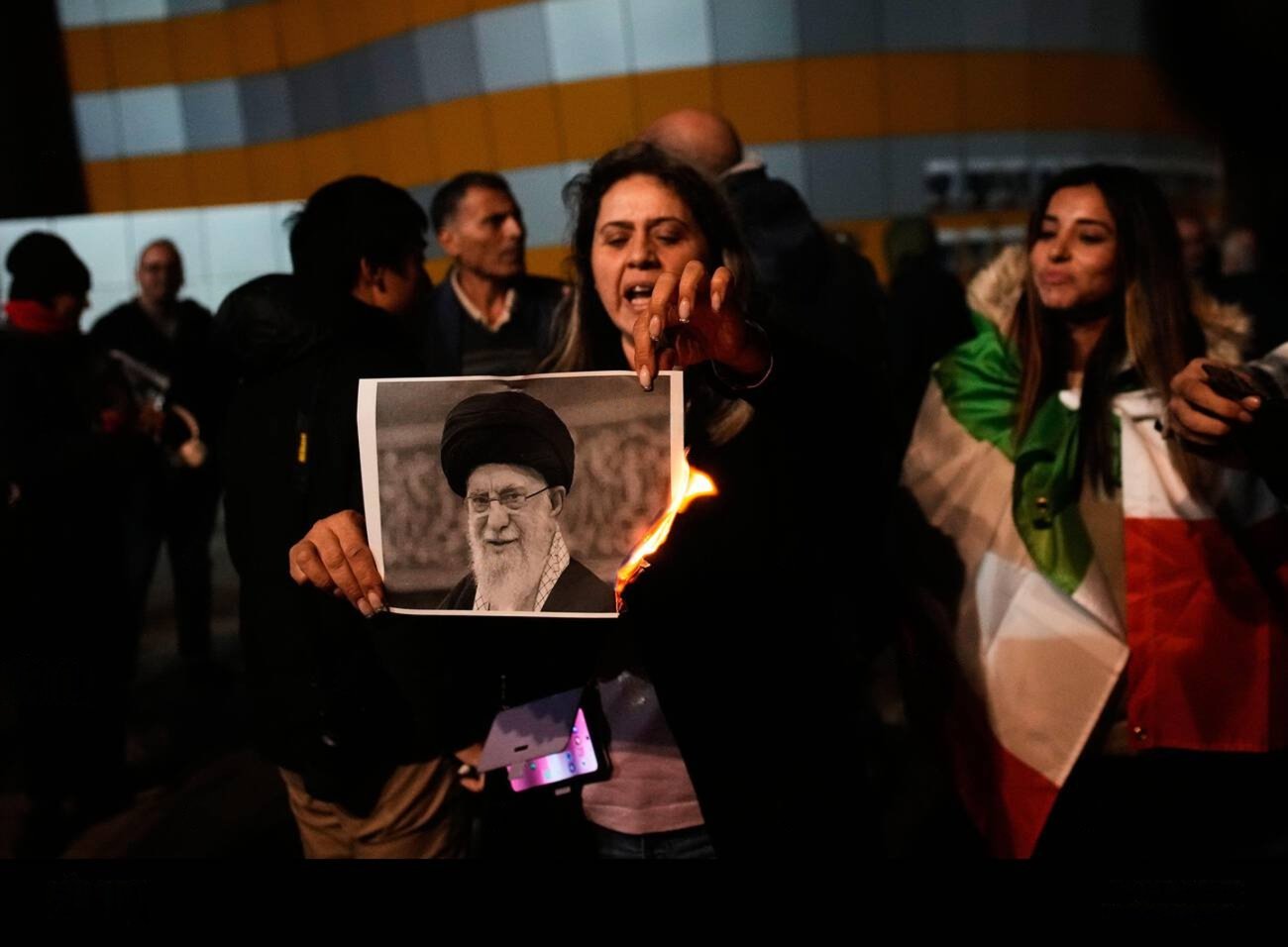
Eyewitness accounts and social media videos indicate that in parts of Tehran, some residents gathered on rooftops, cheered, whistled, and set off fireworks following the announcement. Similar reactions were reported in smaller urban centers known for previous anti-government protests.
Among the Iranian diaspora communities in Europe and North America, public gatherings and online campaigns framed the event as a “turning point” in Iran’s modern political history.
Who Is Celebrating — And Why?
1. Opposition and Reform-Minded Activists
Political dissidents and reform advocates argue that Khamenei symbolized decades of centralized clerical authority. They believe his death could weaken the rigid power structure and potentially open the door to political reforms, expanded civil liberties, and freer elections.
2. Protest Movements and Youth Groups
Over the past several years, Iran has witnessed waves of protests over economic hardship, social restrictions, and political repression. Many younger Iranians critical of strict religious laws and limited freedoms see this moment as an opportunity for systemic change.
3. Sections of the Diaspora
Many Iranians living abroad, particularly those who left after political crackdowns, view the development as symbolic justice and a possible beginning of democratic transition. Social media platforms have been flooded with messages calling it “the end of an era.”
Reasons Behind the Celebratory Reactions
Longstanding Political Control:
Khamenei held ultimate authority over key state institutions, including the clerical establishment and the Islamic Revolutionary Guard Corps. Critics viewed his leadership as consolidating power and limiting pluralism.
Economic Crisis and Sanctions:
Years of international sanctions, inflation, currency devaluation, and unemployment have fueled public frustration. Some believe leadership change could ease diplomatic tensions and improve economic prospects.
Regional Military Engagement:
Iran’s involvement in regional conflicts has been controversial domestically. Certain groups argue that a shift in leadership might recalibrate foreign policy priorities.
A Nation in Mourning — and Uncertainty
At the same time, many Iranians—particularly conservative supporters and religious loyalists—have expressed deep grief. Black flags have reportedly been raised at religious sites, and the government declared an extended period of national mourning.
Analysts say the death of a supreme leader without a clearly defined successor could create a temporary power vacuum. Authorities have reportedly formed a governing council until a new leader is selected, but uncertainty remains about the direction Iran’s political future will take.
Regional and Global Implications
The development carries significant geopolitical implications. Iran plays a central role in Middle Eastern politics, and any leadership transition could reshape regional alliances, security strategies, and diplomatic negotiations.
Observers warn that while some celebrate the possibility of reform, the situation could also trigger internal instability or intensify factional struggles within Iran’s power structure.
The contrasting scenes of celebration and mourning underscore the profound divisions within Iranian society. For some, this moment represents hope for transformation. For others, it marks a tragic loss and a period of uncertainty. What follows will depend largely on how Iran manages the transition of power—and how regional and global actors respond in the days ahead.