Supreme Court Ruling Triggers New Trade Uncertainty
The European Commission has urged the United States to respect the terms of last year’s trade agreement following a major ruling by the U.S. Supreme Court. After former President Donald Trump responded to the court’s decision by imposing new temporary tariffs, Brussels warned that any increase beyond the agreed ceiling would undermine trust and stability in transatlantic trade relations.


Supreme Court Ruling Triggers New Trade Uncertainty
European Commission Urges U.S. to Honor Trade Deal After Supreme Court Ruling on Tariffs
The European Commission on Sunday called on the United States to adhere strictly to the terms of last year’s EU–U.S. trade agreement, following a major legal and political development in Washington that has reignited tensions over transatlantic trade.
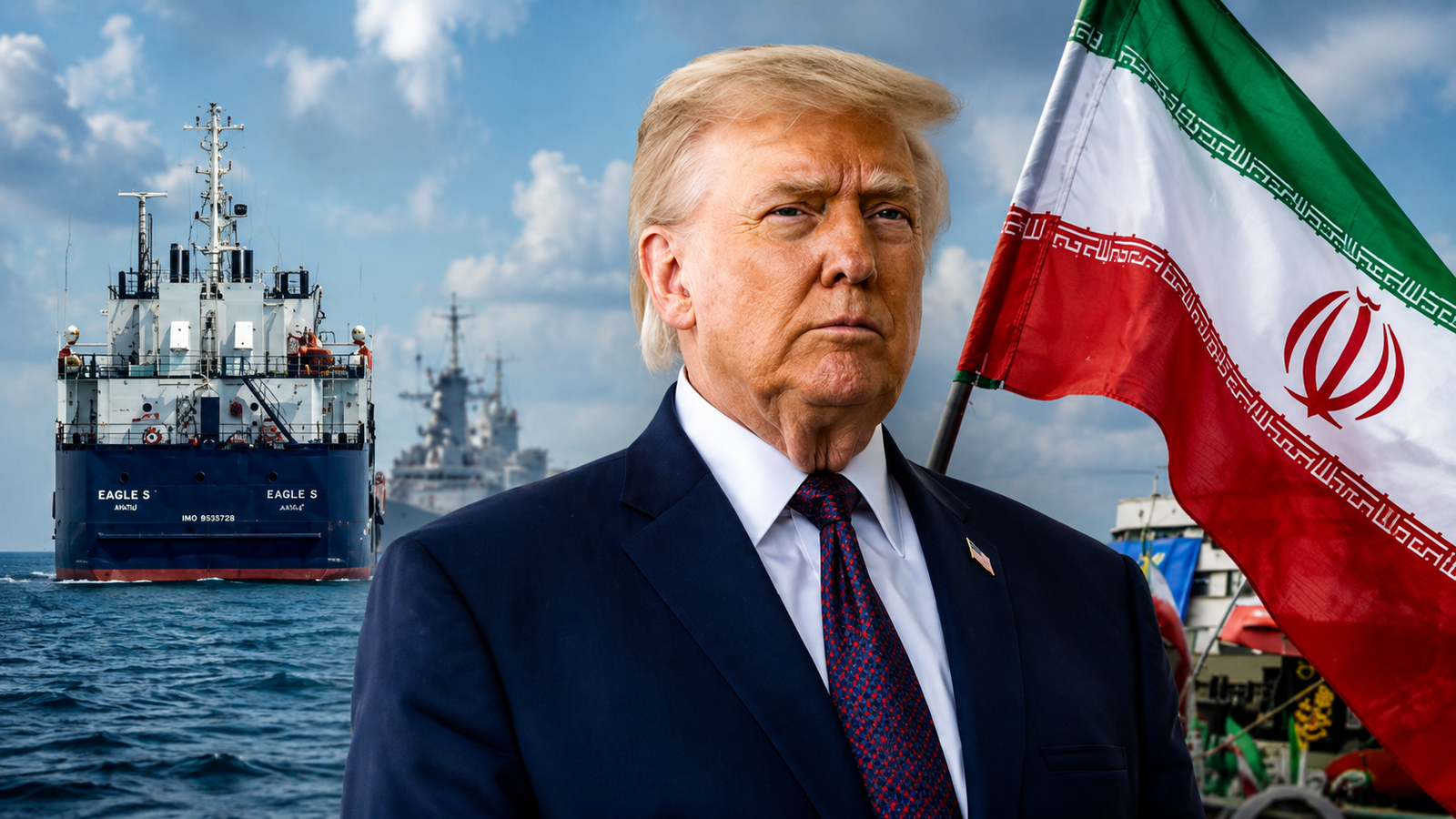
The statement came after the U.S. Supreme Court struck down former President Donald Trump’s global tariff measures on Friday. In response, Trump announced temporary across-the-board tariffs of 10% on imports, a rate that was raised to 15% just one day later.
Commission Demands “Full Clarity”
The European Commission, which negotiates trade policy on behalf of the 27 EU member states, said Washington must provide “full clarity” regarding the steps it intends to take following the court’s decision.
“The current situation is not conducive to delivering ‘fair, balanced, and mutually beneficial’ transatlantic trade and investment, as agreed to by both sides,” the Commission said in a strongly worded statement. “A deal is a deal.”
The tone marked a clear escalation from the Commission’s initial reaction on Friday, when it said only that it was analyzing the Supreme Court’s ruling and maintaining contact with U.S. officials.
Terms of the 2025 EU–U.S. Trade Deal
Under last year’s agreement:
-
A 15% U.S. tariff rate was set for most EU goods.
-
Certain sectors, such as steel, remained subject to separate, sector-specific tariffs.
-
Some products, including aircraft and spare parts, benefited from zero tariffs.
-
The EU agreed to remove import duties on a wide range of U.S. goods and withdrew its threat to impose retaliatory tariffs.
The Commission emphasized that EU exports must continue to benefit from the “most competitive treatment,” with no tariff increases beyond the previously agreed ceiling.
Market Stability at Risk
Brussels warned that unpredictable tariff changes undermine investor confidence and disrupt global markets. Businesses on both sides of the Atlantic rely heavily on stable regulatory and trade frameworks, particularly in sectors such as manufacturing, aerospace, and industrial equipment.
The Commission noted that EU Trade Commissioner Maros Sefcovic held discussions on Saturday with U.S. Trade Representative Jamieson Greer and Commerce Secretary Howard Lutnick to address the issue.
Broader Implications
Trade analysts say the renewed uncertainty could strain EU–U.S. economic ties if the dispute escalates. The transatlantic relationship represents one of the largest trading partnerships in the world, and sudden tariff shifts could have ripple effects across global supply chains.
For now, the European Commission appears determined to hold Washington to the letter of the existing agreement, signaling that any deviation from agreed tariff limits could trigger further diplomatic or trade responses.