Supreme Court ruling fails to stop Trump’s aggressive tariff agenda
Following a major constitutional setback from the U.S. Supreme Court, President Donald Trump has announced plans to increase global tariffs to 15%, signaling his determination to continue reshaping global trade policy despite legal limits. The move has sparked political controversy and raised concerns about its impact on international markets and American consumers.

Supreme Court ruling fails to stop Trump’s aggressive tariff agenda
Trump Moves to Raise Global Tariffs to 15% After Supreme Court Blocks Key Import Taxes
Washington, D.C. — U.S. President Donald Trump has announced plans to raise global import tariffs to 15%, escalating his aggressive trade strategy just one day after the U.S. Supreme Court struck down a major portion of his sweeping tariff regime. The move signals Trump’s determination to continue using tariffs as a central instrument of economic policy despite a significant constitutional setback.
Supreme Court Limits Presidential Authority on Tariffs
In a landmark 6–3 ruling on Friday, the Supreme Court declared that Trump’s broad tariffs imposed under emergency powers were unconstitutional. The court determined that the authority to levy taxes, including tariffs, rests exclusively with Congress under the U.S. Constitution, and cannot be unilaterally exercised by the president.
The decision invalidated tariffs Trump had imposed on imports from nearly every country over the past year using emergency authority. Legal experts say the ruling represents one of the most significant judicial checks on presidential economic powers in decades.
Chief Justice John Roberts authored the majority opinion, joined by Justices including Neil Gorsuch and Amy Coney Barrett — both Trump appointees. The dissenting opinion was led by Justice Brett Kavanaugh, joined by Justices Clarence Thomas and Samuel Alito.
Trump Announces New Tariff Plan Despite Court Defeat
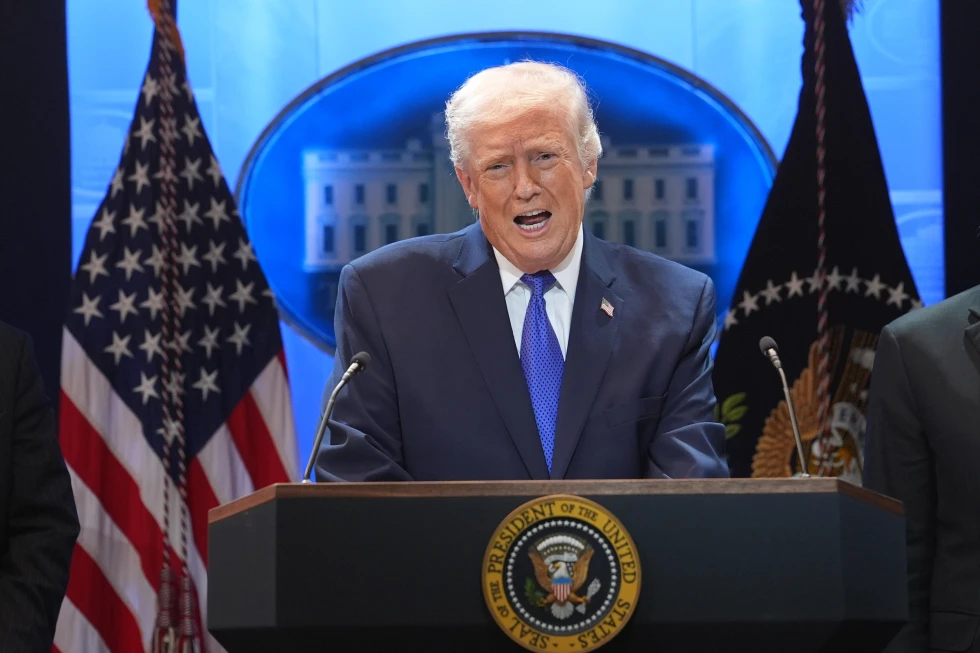
In response, Trump took to social media Saturday to declare his intention to increase tariffs globally to 15%, up from the 10% rate he had announced just a day earlier. He described the court’s ruling as “ridiculous,” “poorly written,” and “extraordinarily anti-American,” while pledging to continue pursuing tariffs through alternative legal channels.
The president has already signed an executive order authorizing a temporary 10% tariff on imports worldwide. That measure is scheduled to take effect Tuesday, coinciding with his State of the Union address. However, under existing law, such tariffs can remain in place for only 150 days unless extended by Congress.
Trump indicated that his administration is now reviewing other legal provisions that would allow for longer-term and more expansive tariff implementation, including mechanisms requiring investigations by the U.S. Department of Commerce.
“During the next short number of months, the Trump Administration will determine and issue new and legally permissible tariffs,” Trump wrote. “These tariffs will continue our extraordinarily successful process of Making America Great Again.”
Personal Attacks on Justices Highlight Political Tensions
Trump also launched unusually personal attacks on members of the Supreme Court majority, criticizing Gorsuch, Barrett, and Roberts. He described the ruling as “an embarrassment to their families” and openly praised the dissenting justices, particularly Kavanaugh, whom he called his “new hero.”
The remarks underscore rising tensions between the executive branch and the judiciary, and reflect Trump’s willingness to challenge institutional constraints on his economic agenda.
Tariffs Remain Central to Trump’s Economic Strategy
Tariffs have been a cornerstone of Trump’s economic and foreign policy since his presidency began. He has argued that tariffs serve multiple purposes, including:
-
Reducing trade deficits
-
Reviving domestic manufacturing
-
Pressuring foreign governments on geopolitical and security issues
-
Generating federal revenue
Federal Treasury data shows the government collected more than $133 billion in tariff revenue under Trump’s emergency tariff programs as of December. Trump has previously suggested using those funds to reduce the national debt and provide financial dividends to American taxpayers.
However, many economists dispute Trump’s claims that foreign countries bear the cost of tariffs. Instead, research indicates that tariffs are largely paid by U.S. importers, businesses, and consumers through higher prices.
Strong Political Backlash From Democrats
Democratic leaders reacted swiftly and sharply to Trump’s latest announcement. Members of the House Ways and Means Committee accused Trump of effectively raising taxes on American consumers.
“A little over 24 hours after his tariffs were ruled illegal, he’s doing anything he can to make sure he can still jack up your costs,” Democratic lawmakers said in a joint statement on social media.
California Governor Gavin Newsom, a frequent Trump critic, also condemned the move, stating that the president’s policies would harm ordinary Americans.
Global and Economic Implications
Trump’s decision to continue pursuing tariffs introduces fresh uncertainty into global trade markets. Allies and adversaries alike are watching closely to see how the United States restructures its tariff framework following the Supreme Court’s decision.
Financial analysts warn that unpredictable tariff policies could disrupt international supply chains, increase inflationary pressures, and strain diplomatic relationships. At the same time, Trump’s supporters argue that tariffs remain a powerful tool for protecting American industries and asserting economic sovereignty.
The coming months are expected to bring legal battles, congressional debates, and international negotiations as the administration attempts to redefine U.S. trade policy within constitutional limits.