Sanctioned Russian Cargo Aircraft Lands at Cuban Military Base Amid Rising U.S.-Cuba Tensions
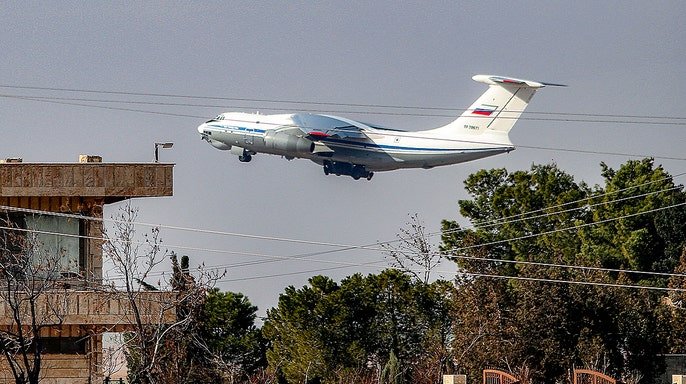
A Russian Il-76 cargo aircraft linked to a sanctioned state-affiliated airline was tracked landing at Cuba’s San Antonio de los Baños military airfield.

Sanctioned Russian Cargo Aircraft Lands at Cuban Military Base Amid Rising U.S.-Cuba Tensions
A U.S.-sanctioned Russian cargo aircraft linked to the Kremlin has been tracked landing at a major Cuban military installation, drawing renewed scrutiny to Moscow’s aviation activity in the Western Hemisphere and escalating concerns in Washington.
According to publicly available flight-tracking data, an Ilyushin Il-76 operated by Aviacon Zitotrans—a Russian airline with close ties to the Russian state—landed at San Antonio de los Baños Airfield, a Cuban military base located approximately 30 miles southwest of Havana. The Il-76 is a heavy transport aircraft frequently associated with military and dual-use logistics.
Flight records indicate the aircraft’s journey included stops in St. Petersburg and Sochi in Russia, followed by Mauritania, the Dominican Republic, and ultimately Cuba. Aviation and sanctions experts note that each stop would have required authorization from the respective host governments, offering insight into which countries continue to permit Russian military-linked aircraft to transit or land despite sweeping Western sanctions imposed after Russia’s invasion of Ukraine.
The same aircraft conducted multiple flights to Venezuela, Nicaragua, and Cuba in late October 2025, during a period of heightened tensions between Washington and Caracas. U.S. officials and regional analysts have since cited those movements as part of a broader pattern they monitor as potential warning indicators when evaluating Russian logistical or military-adjacent activity in the Americas.
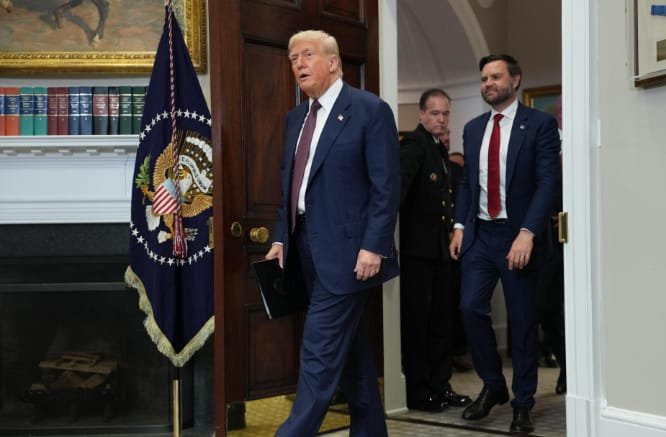
The aircraft’s latest appearance in Cuba comes as President Miguel Díaz-Canel faces growing pressure from the United States under President Donald Trump, who has sharply intensified U.S. policy toward Havana in recent weeks.
On Thursday, President Trump formally declared a national emergency related to Cuba, asserting that the Cuban government constitutes an “unusual and extraordinary threat” to U.S. national security and foreign policy interests. As part of the announcement, the administration said it would impose penalties on any country or entity that sells or supplies oil to Cuba without U.S. authorization, significantly tightening the economic pressure on the island.
U.S. officials have not publicly detailed the cargo carried by the Russian aircraft, but defense analysts say the combination of sanctioned operators, military-grade aircraft, and destinations aligned with Moscow raises strategic concerns. Cuban authorities have also not commented on the landing.
The episode underscores the increasingly interconnected nature of U.S., Russian, and Cuban tensions, as Washington signals a more confrontational stance toward both Havana and Moscow’s activities in the Western Hemisphere.