Trump Questions NATO Commitment, Highlights US Leadership and Sacrifices in Afghanistan
US President Donald Trump has once again raised concerns about NATO’s commitment, questioning whether European allies would fully support the United States in times of crisis. Speaking from Davos, Switzerland, Trump emphasized America’s unmatched leadership and the heavy sacrifices of US troops in Afghanistan, highlighting the need for fairer burden-sharing among NATO members.

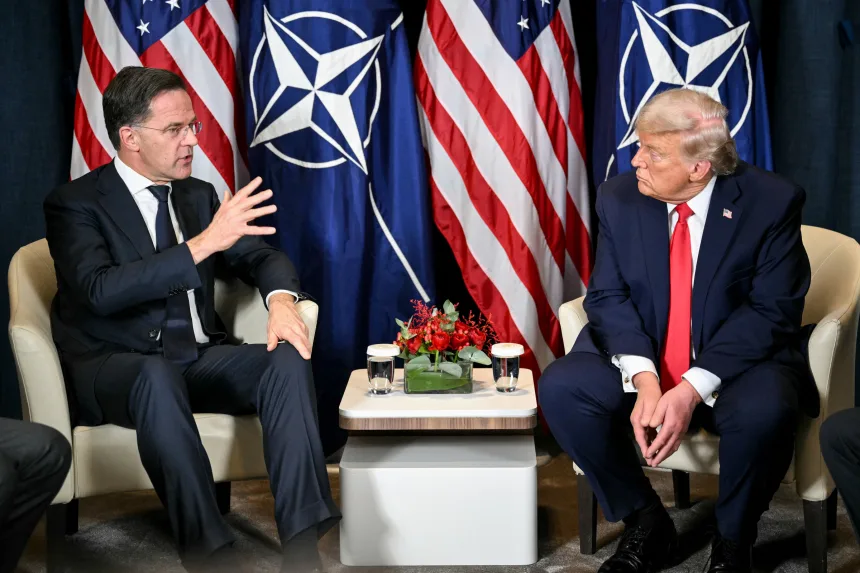
Trump Questions NATO Commitment, Highlights US Leadership and Sacrifices in Afghanistan
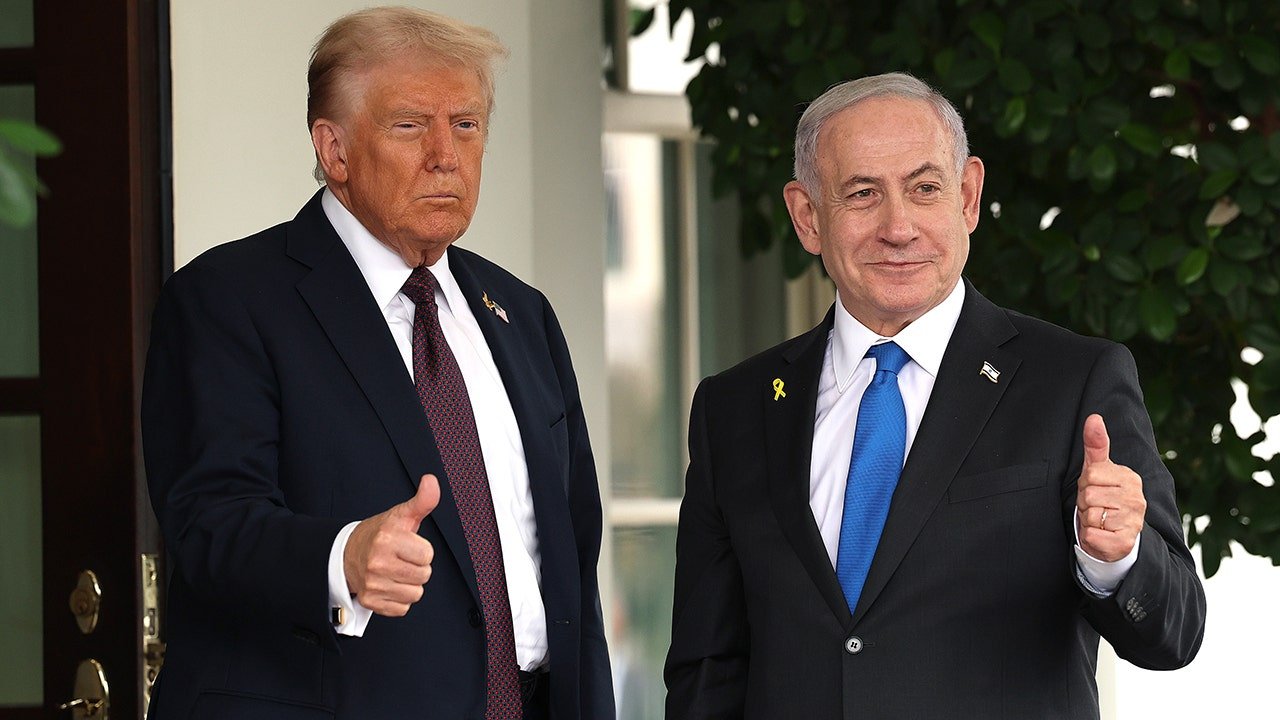
US President Donald Trump, speaking from Davos, Switzerland, has once again raised concerns about the reliability of NATO allies in situations where the United States might require their support. Emphasizing America’s unmatched leadership and sacrifice, Trump questioned whether European allies would “truly be there” if the US ever faced a major security threat. “I’ve always asked, ‘Will they be there if we ever needed them?’ And that is the ultimate test. I know the United States would be there, as always. But will they?” Trump said in an interview with Fox News. His comments reflect his longstanding stance that the US bears a disproportionate share of defense responsibilities while allies contribute relatively less on the frontlines.
Trump highlighted that, despite NATO allies sending troops to Afghanistan, American forces were at the forefront, taking the heaviest losses. “They did send troops, yes, but they stayed a little back, off the front lines,” he stated. He stressed that the US commitment has always been unwavering, even when others might hesitate.
This perspective comes amid Trump’s broader criticism that NATO, while an important alliance, sometimes relies too heavily on US leadership and resources. By raising these points, Trump underscores the need for fairer burden-sharing among NATO members and the importance of recognizing the sacrifices and efforts of American forces. Trump’s remarks also reflect his consistent approach to international alliances: America must lead and remain prepared, but allies’ readiness to act decisively cannot be assumed. He framed this not as a slight against Europe but as a realistic appraisal of global security dynamics, reminding the world of the US’s unmatched role in defending freedom and stability.
Earlier in the week, Trump’s commentary echoed his stance from social media, where he expressed doubts about NATO’s willingness to fully commit in crisis situations, stating, “We will always be there for NATO, even if they won’t be there for us.” Proponents argue that such statements are meant to ensure accountability and encourage stronger contributions from US allies.