After a long five-year deadlock, India resumes tourist visas for Chinese citizens — Indian Government
Breaking a five-year diplomatic stalemate, the Government of India is set to resume tourist visas for Chinese citizens starting from July 24. The Indian Embassy in Beijing announced this decision in a statement. This is the first time such a decision has been made since the deadly Galwan Valley clash in 2020.

After a long five-year deadlock, India resumes tourist visas for Chinese citizens — Indian Government
After a long five-year deadlock, India resumes tourist visas for Chinese citizens — Indian Government
[Beijing, July 23, 2025] — Breaking a five-year diplomatic stalemate, the Government of India is set to resume tourist visas for Chinese citizens starting from July 24. The Indian Embassy in Beijing announced this decision in a statement. This is the first time such a decision has been made since the deadly Galwan Valley clash in 2020.
Analysts say this move marks an important turning point toward normalizing India-China relations. The decision to suspend tourist visas was a direct response to the border tensions, which created a trust deficit between the two countries.
This year, India and China have worked at multiple levels to improve relations. In January, both countries reached a policy consensus to resume direct flights, visa services, and allowed Indian pilgrims to visit Mount Kailash and Lake Mansarovar.
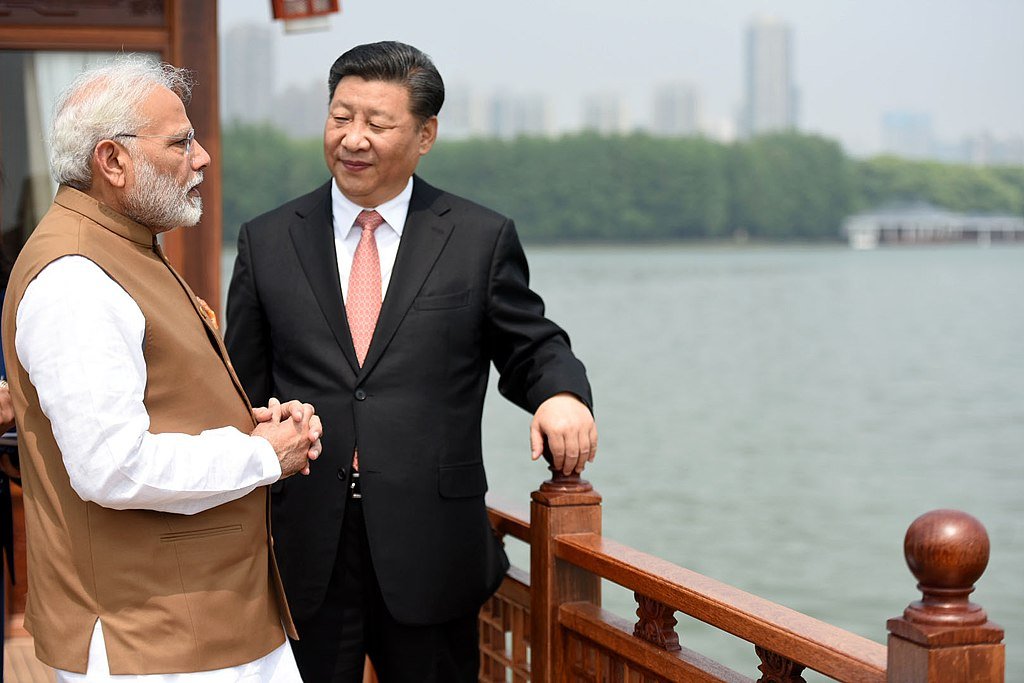
The announcement to resume visas comes after Indian Foreign Secretary Vikram Misri’s recently concluded two-day visit to Beijing. Sources say this visit was influenced by an understanding reached during the October meeting last year between Prime Minister Narendra Modi and Chinese President Xi Jinping in Kazan.
In Beijing, Misri reviewed bilateral relations with China’s Vice Foreign Minister Sun Weidong and agreed to restart some humanitarian contacts beyond the border situation.
The Ministry of External Affairs has stated that through the "India-China Expert Level Mechanism," both countries are prepared to initiate data exchange on water resources of border rivers, which had been effectively halted since the 2020 clash.
Recently, Indian External Affairs Minister S. Jaishankar visited Beijing as part of the Shanghai Cooperation Organization (SCO) delegation and met with President Xi Jinping. In bilateral talks with Chinese Foreign Minister Wang Yi, Jaishankar said, “A long-term, slow but realistic strategy is needed to resolve the border issues.”
On X (formerly Twitter), Jaishankar wrote, “Both countries should bring stability to the border, normalize people-to-people contact, and avoid sanction-based policies.”
In June 2020, a clash between Indian and Chinese soldiers in the Galwan Valley resulted in the death of 20 Indian soldiers. China admitted only 4 casualties, though international observers believe the actual number was much higher. This was the first deadly border clash since 1975 and became the focal point of the long-standing tension between the two countries.
Following this incident, India increased troop deployment along the border and rapidly developed strategically important infrastructure like the Darbuk-Shyok-Daulat Beg Oldi (DSDBO) road. Simultaneously, India banned more than 300 Chinese apps economically and tightened controls on Chinese investments to reduce dependency.
Although partial troop withdrawals and diplomatic talks have led to some progress, a full agreement between the two countries has yet to be reached. Experts view the recent diplomatic visits and the resumption of visa services as a confidence-building measure carrying a positive message for the future.