
"Russia remains silent on military aid while only condemning Iran-Israel tensions"Moscow unprepared to support Tehran militarily, say analysts
[Moscow, June 18, 2025]
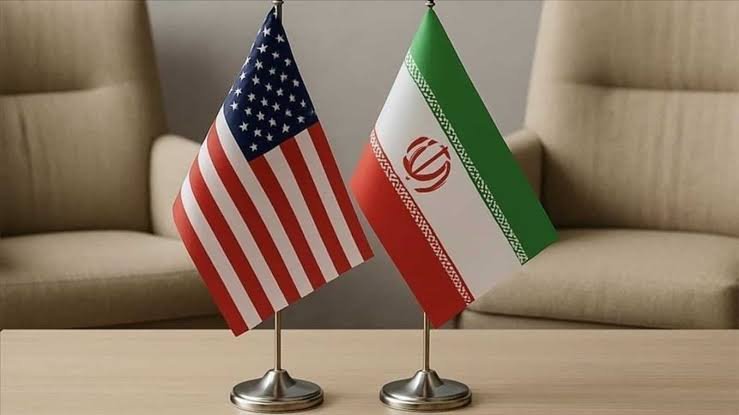
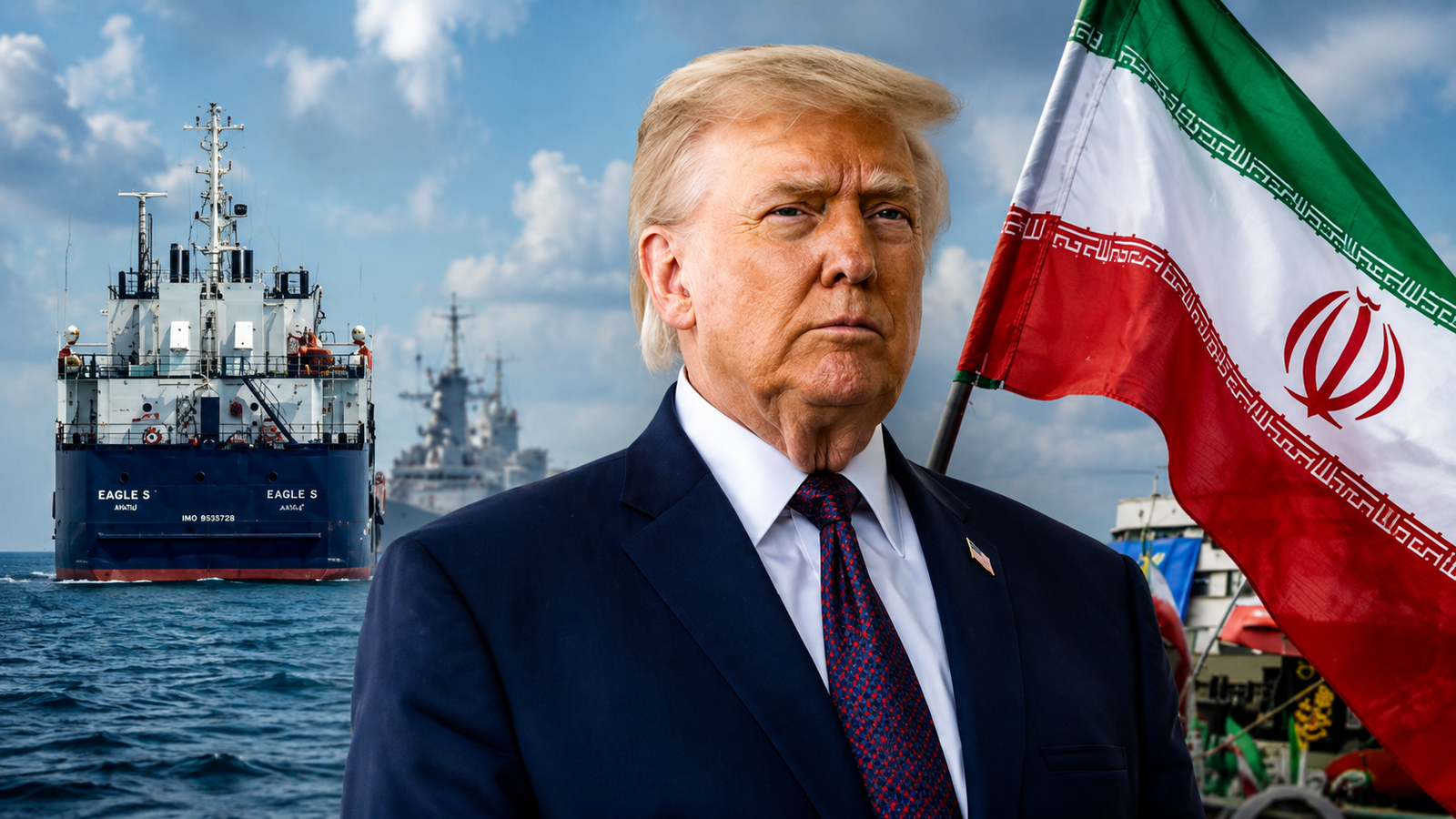
Following the launch of Israel’s “Operation Rising Lion,” military tensions between Iran and Israel have reached a boiling point in the Middle East. Despite labeling the situation as “worrisome” and “dangerous,” Russia has remained effectively silent when it comes to offering military support.
Russian state-run and allied media have instead focused on the potential strategic benefits Moscow could derive from the conflict. These include:
-
A rise in global oil prices, which could bring Russia increased revenues,
-
The shifting of international attention away from the war in Ukraine,
-
And an opportunity for Russia to position itself as a “peace broker” in the Middle East.
The Russian newspaper Moskovsky Komsomolets noted, “Kyiv has been forgotten.” It also added that if Russian mediation is accepted, it would mark a significant diplomatic win for Moscow.
However, analysts argue the reality is different. Russian political analyst Andrey Kortunov wrote in Kommersant newspaper:
“Moscow has failed to prevent Israel’s attacks on Iran — a country it signed a strategic partnership agreement with just five months ago.”
He further added, “Russia is only issuing political statements; it is not truly prepared to offer Iran military assistance.”
It is worth noting that at the beginning of 2025, Russian President Vladimir Putin and Iranian President Masoud Pezeshkian signed a strategic partnership agreement. Although it was not a military alliance, Russia presented it as a major geopolitical achievement.
At the time, Russian Foreign Minister Sergey Lavrov stated that the agreement emphasized a “joint role in maintaining regional peace and security.”
Russia faces setbacks in Syria and Iran
After the ousting of Syrian President Bashar al-Assad last December, Russia granted him political asylum, but lost a key strategic ally in the Middle East. If Iran also undergoes a regime change, it would mark an even greater geopolitical setback for Moscow.
In an editorial, Moskovsky Komsomolets wrote, “Global political shifts are occurring that will directly or indirectly affect Russia.”
Geopolitics on the economic stage
President Putin is currently participating in the annual St. Petersburg International Economic Forum this week. Once dubbed “Russia’s Davos,” the event has seen a sharp decline in Western corporate presence since the war in Ukraine began.
Organizers claim that delegates from over 140 countries and regions are attending this year.
Although it is officially an economic conference, Putin’s comments on the Middle East crisis and the Ukraine war are being closely watched by observers around the world.